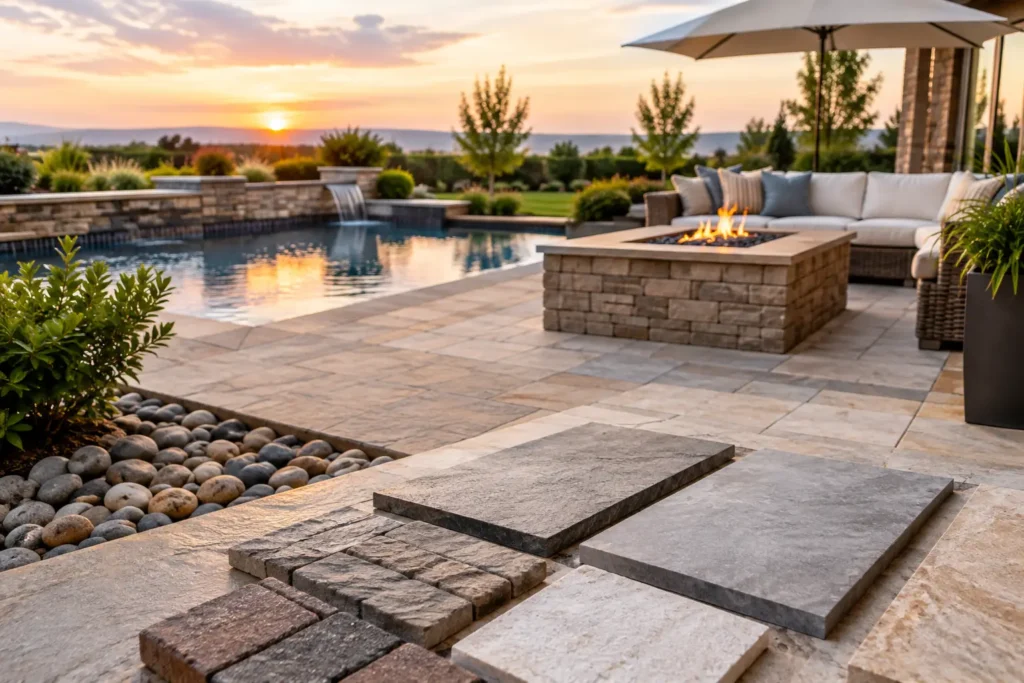
A beautiful backyard is not built from a collection of individual features. It is composed like a home, with surfaces, structures, textures, and gathering spaces that belong together. This backyard hardscape materials guide can help you make choices that feel elevated from the first patio paver to the final detail around your pool, fire feature, or outdoor kitchen.
For a high-end outdoor environment, the right material does more than look good in a sample. It must perform in the heat, frame the way your family entertains, and support the architectural character of your home. A limestone pool deck, a porcelain terrace, and a tumbled paver courtyard can all be beautiful. The best choice depends on the experience you want to create.
Start With the Way You Want to Live Outside
Before selecting stone or pavers, picture the moments the space should hold. A quiet morning coffee patio has different demands than a poolside entertaining terrace for 20 guests. An outdoor kitchen needs durable, cleanable flooring and a material palette that complements cabinetry and countertops. A fireplace lounge benefits from warmer textures that make the space feel grounded after sunset.
This is why hardscape decisions should be made as part of a complete design, not feature by feature. Patio materials influence retaining wall finishes. Pool coping should relate to the deck surface. The path from the house to the pavilion should feel intentional underfoot and visually connected to the rest of the property.
In Sunbelt climates, performance matters just as much as appearance. Intense sun, sudden rain, irrigation, and pool water all affect how a material ages. A polished design accounts for heat retention, slip resistance, drainage, color stability, and maintenance from the beginning.
Natural Stone Creates a One-of-a-Kind Foundation
Natural stone brings depth that manufactured materials can imitate but never fully duplicate. Its variations in veining, tone, and texture make every patio, wall, and pool edge feel individually composed. It is especially compelling for homes with Mediterranean, transitional, rustic, or estate-inspired architecture.
Travertine for Cool, Relaxed Pool Decks
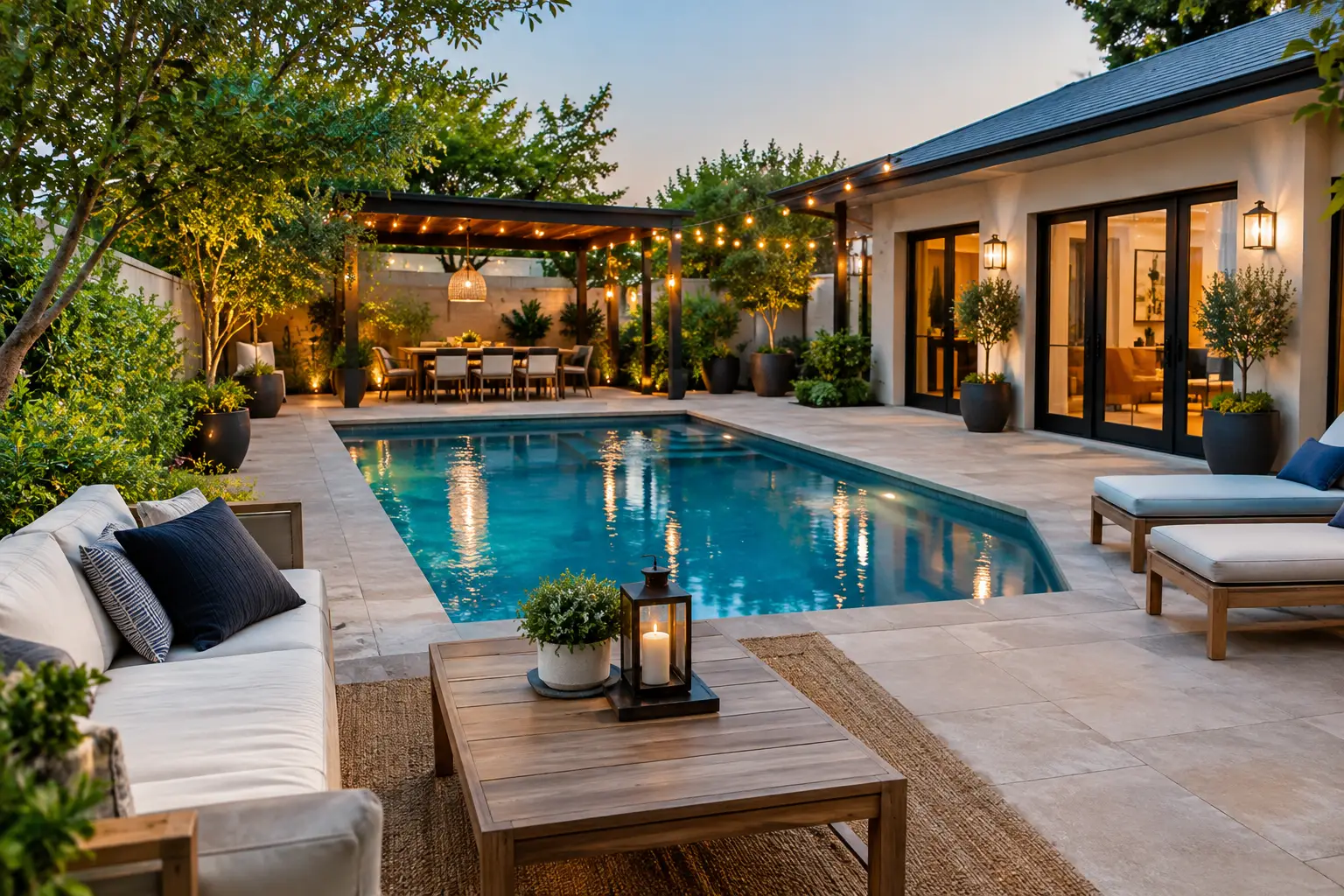
Travertine remains a favorite for premium pool environments because it has a timeless, resort-like character and typically stays more comfortable under bare feet than denser, darker materials. Its naturally porous surface can provide welcome traction near water, particularly when finished appropriately.
Travertine is not maintenance-free. It needs proper sealing, and its filled or unfilled surface should be chosen based on the desired look and level of upkeep. In an outdoor kitchen, acidic spills and grease deserve prompt attention. Yet for homeowners who want a soft, elegant poolscape rather than a highly uniform finish, travertine has enduring appeal.
Limestone for Refined, Architectural Spaces
Limestone tends to read cleaner and more tailored. Available in a range of warm creams, grays, and subtle earth tones, it can give patios, walkways, and pool surrounds a calm architectural presence. It pairs beautifully with contemporary landscaping, stucco exteriors, and streamlined water features.
Not every limestone is suited to every application. Density, finish, and local climate conditions matter. A thoughtfully specified limestone can look sophisticated for decades, while the wrong selection may be more vulnerable to staining or surface wear. This is where material expertise has real value.
Flagstone for Organic Garden Connections
Flagstone has a more relaxed, natural rhythm. Its irregular shapes and earthy color movement suit garden paths, informal sitting areas, and properties where the landscape is meant to feel established rather than overly formal. Set in mortar, flagstone can create a more polished terrace. Set with joints that support groundcover or gravel, it can feel wonderfully integrated with the garden.
The trade-off is consistency. Flagstone is not the choice for homeowners seeking crisp, grid-like geometry. It shines when its natural variation is treated as part of the design.
Pavers Bring Flexibility Without Sacrificing Style
For driveways, expansive patios, walkways, and courtyards, pavers offer an exceptional combination of design flexibility and practical durability. Because they are modular, pavers can be arranged in patterns that range from understated and modern to richly detailed. They also allow for easier localized repairs than a poured slab if settling or access work becomes necessary years later.
Concrete Pavers for Pattern and Performance
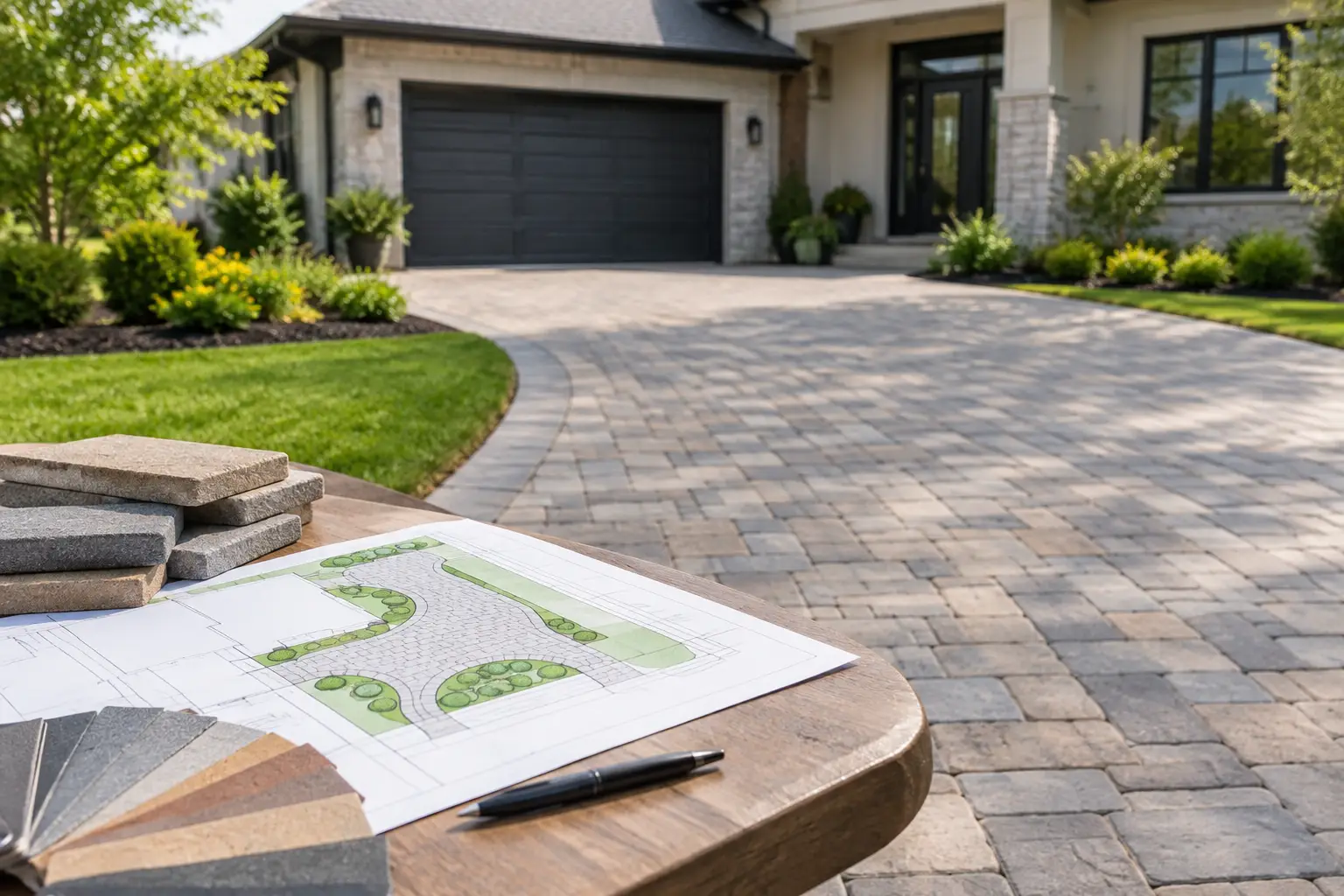
Modern concrete pavers have moved well beyond the basic backyard brick look. Large-format slabs, textured finishes, subtle color blends, and tailored laying patterns make them a versatile option for luxury projects. They work particularly well when a design calls for large entertaining areas, defined circulation paths, or a paver driveway that elevates curb appeal.
Color selection deserves careful attention in sunny regions. Very dark pavers can become uncomfortably hot, while very pale surfaces may show stains more readily. Mid-tone palettes often offer the best balance of visual richness and day-to-day livability.
Porcelain Pavers for Crisp Contemporary Design
Porcelain pavers are an increasingly popular choice for homeowners who love clean lines and sophisticated, low-maintenance finishes. They can resemble natural stone, concrete, or wood while offering impressive resistance to fading, moisture absorption, and staining. Their consistent sizing creates precise joint lines that complement modern homes and tailored outdoor furnishings.
Porcelain is a premium material that requires proper installation. Substrate preparation, drainage planning, edge detailing, and a slip-resistant exterior-rated finish are essential. When these details are handled well, porcelain can give an outdoor dining terrace or pool deck a remarkably polished feel.
Concrete Is a Design Material, Not a Compromise
Poured concrete is often underestimated because many homeowners picture a plain gray slab. In the right hands, it can become a striking foundation for contemporary outdoor living. It can be colored, textured, exposed with aggregate, saw-cut into geometric panels, or combined with bands of stone and planting.
Concrete is especially useful for large patios, sport courts, and modern pool decks where a continuous visual plane is part of the design. It can also be cost-efficient across broad areas compared with certain premium stone installations.
Its limitation is that cracking is always a possibility, even with careful planning and control joints. A skilled design-build team plans joints so they support the composition rather than interrupt it. Drainage and base preparation are equally important, because the most beautiful surface cannot overcome poor site work beneath it.
Your Backyard Hardscape Materials Guide to Walls and Vertical Details
Hardscape is not just what lies beneath your feet. Retaining walls, seat walls, columns, kitchen veneers, fireplace surrounds, and water feature cladding create the vertical layers that make an outdoor space feel complete.
For retaining walls, engineered wall block systems offer reliable structural performance and can be finished with stone or complementary caps for a custom appearance. Natural stone walls deliver unmatched character, especially when they echo the material used on patios or the home facade. Veneers are useful for wrapping built structures, allowing a fireplace, island, or raised planter to carry the same visual language without the cost of solid stone construction.
The goal is not necessarily to use the same material everywhere. A more sophisticated design often uses a restrained family of finishes. For example, a light limestone deck might be paired with a warmer stacked-stone fireplace and porcelain pavers in an adjacent dining area. The shared tones and scale create cohesion without making the backyard feel flat.
Do Not Overlook Edges, Joints, and Drainage
The details that make a backyard feel truly finished are often the least glamorous during material selection. Pool coping, stair treads, wall caps, edging, grout or joint color, and transitions at doors all deserve early consideration. These pieces create the visual lines your eye follows across the space.
Drainage is equally central to luxury. Water should move away from the home, avoid collecting on entertaining surfaces, and be directed thoughtfully around pools, kitchens, and structures. The right hardscape material can only perform as intended when the grading and installation beneath it are designed for the site.
This is particularly important when blending materials. Stone, pavers, and concrete expand, drain, and require support in different ways. Beautiful transitions depend on technical planning as much as aesthetic judgment.
Choose a Palette That Will Age Gracefully
Trends can inspire a project, but your backyard should still feel exceptional a decade from now. Warm neutrals, natural texture, and materials that relate to the home generally have more staying power than a highly specific color or pattern. That does not mean playing it safe. It means using bold choices with intention, perhaps in a dramatic fire feature, richly veined stone accent, or sculptural water wall rather than across every surface.
Ask to see materials in the outdoor light around your home. Samples viewed indoors rarely tell the whole story. Notice them in direct sun, shade, and evening landscape lighting. Consider how they will look alongside the roof, exterior paint, pool water, furniture, and surrounding plant material.
The most memorable outdoor spaces do not rely on the most expensive material in every location. They use the right material in the right place, with craftsmanship that makes every surface feel considered. When your hardscape palette is designed around the way you gather, relax, cook, and celebrate, your backyard becomes more than an upgrade. It becomes the setting for the life you want to enjoy at home.