
By Terrance Schabilion, Beyond Backyard Living – Custom Pool Builder Spring Hill FL
The choice between permeable pavers and traditional concrete pavers is crucial for homeowners in Florida, especially given the region’s heavy rainfall and strict HOA regulations. Permeable pavers offer significant advantages in managing water drainage and runoff, making them an excellent choice for sustainable landscaping. This article will explore the differences between these two types of pavers, focusing on effective drainage solutions, runoff control measures, and HOA regulations that affect installation.
Homeowners often face challenges with standing water and environmental regulations, creating a need for effective paving solutions that comply with local guidelines. Understanding the benefits and mechanics behind permeable pavers can lead to more informed decisions, particularly in areas prone to flooding. We’ll guide you through the key comparisons, exploring effective drainage methods, runoff control strategies, and relevant regulations governing paver installations.
Permeable vs Concrete Paver Comparison
Permeable pavers and traditional concrete pavers serve similar purposes in creating durable outdoor surfaces, but they differ significantly in design and functionality. Permeable pavers are designed to allow water to flow through their surface, reducing runoff and promoting natural drainage. This characteristic is especially beneficial in Florida, where heavy rainfall can lead to flooding and erosion.
In contrast, traditional concrete pavers create a solid surface that prevents water infiltration, leading to higher runoff volumes. This not only increases the risk of flooding but can also strain the local drainage system. Additionally, using impervious surfaces may violate local HOA guidelines, which often encourage sustainable landscaping practices.
Choosing the right paver type is critical for homeowners looking to maintain compliance with HOA regulations while addressing environmental challenges effectively.
1. Effective Drainage Solutions:
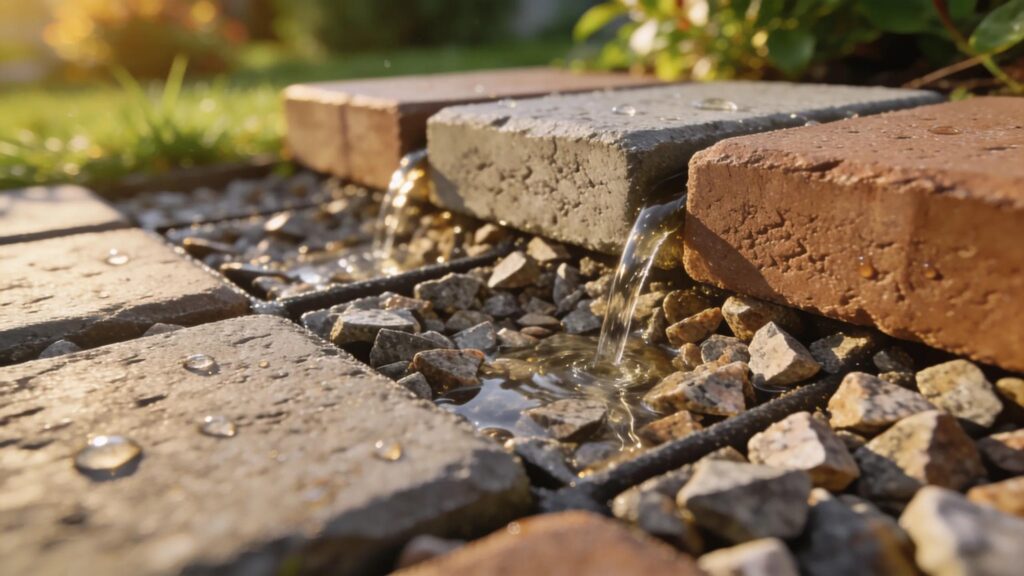
Drainage solutions are essential for preventing water accumulation and managing excess rainfall, particularly in Florida’s humid climate. Permeable pavers are specifically designed with interlocking joints and porous materials that promote rapid water absorption and filtration. This feature significantly enhances drainage efficiency compared to traditional concrete pavers, which act as barriers to water flow.
Key features of drainage solutions include:
- Open-Graded Material: This allows for better infiltration of water and reduces ponding on hard surfaces.
- Aggregate Base: A well-structured aggregate base supports drainage and helps maintain the integrity of the paving surface under heavy rainfall conditions.
- Design Features: Innovative designs, including patterns that maximize surface permeability, contribute to improved water management.
Traditional concrete pavers, while durable, often require additional drainage systems, such as trenches and drainage pipes, to manage runoff effectively. This not only increases installation costs but also complicates maintenance.
| Material Type | Design Feature | Drainage Efficiency |
|---|---|---|
| Permeable Pavers | Interlocking paving blocks | High (allows water infiltration) |
| Traditional Concrete | Solid block surface | Low (prevents water infiltration) |
| Permeable Pavers | Open-graded base | High (enhances drainage) |
The integration of permeable pavers within Florida landscapes represents a proactive approach to rainwater management, making them an ideal choice for those conscious of environmental impact.
What Are the Key Differences Between Permeable and Traditional Concrete Pavers?
The primary differences between permeable and traditional concrete pavers center on their water management capabilities. Permeable pavers allow water to infiltrate through their surface, providing efficient drainage solutions suitable for regions with significant rainfall. In contrast, traditional concrete pavers create a solid surface that exacerbates water issues during heavy rainfalls.
These differences affect not only functionality but also compliance with local regulations and the environmental impact of each choice. Selecting the right type of paver can minimize water runoff and reduce the risk of flooding while aligning with HOA interests in promoting sustainable landscaping.
2. Runoff Control Measures:
Successful runoff control measures rely heavily on the choice of paving materials. Permeable pavers include design features that capture surface water and facilitate its gradual absorption into the ground. This contrasts sharply with traditional concrete pavers, which compel water to flow towards drains or sewers and can lead to localized flooding.
Benefits of using permeable pavers for runoff control include:
- Flood Mitigation: By allowing water to infiltrate, permeable pavers significantly reduce the risk of flooding during heavy rainfall events.
- Soil Recharge: These pavers support groundwater replenishment, promoting healthier ecosystems and reducing the risk of drought in drier months.
- Pollution Prevention: By filtering pollutants through the stone aggregates, permeable pavers help maintain clean water systems.
The implications of improper runoff management can lead to regulatory fines and increased maintenance costs. Thus, choosing permeable pavers represents not only an environmental choice but also a strategic decision to mitigate risks associated with poor drainage.
How Do Permeability and Drainage Impact Paver Performance in Florida?
In Florida, where torrential downpours are commonplace, the permeability of the paving material plays a crucial role in performance. Permeable pavers perform exceptionally well in managing drainage, absorbing significant amounts of rainfall and allowing stormwater to percolate into the ground instead of pooling. This feature is particularly advantageous during Florida’s storm seasons.
The impact of permeability extends beyond immediate utility, influencing the long-term sustainability of landscaping projects. Homeowners benefit from a decreased risk of flooding and reduced wear on traditional drainage systems, encouraging practices that align with broader state environmental standards.
To better understand how state guidelines shape community-level property standards, it is helpful to examine official legislative frameworks regarding sustainable outdoor design.
Florida-Friendly Landscaping Legislation and HOA Regulations
This document is about the 2009 Florida-Friendly Landscaping™ legislation and its implications for water conservation and environmental protection in Florida. It highlights the role of homeowners’ associations (HOAs) in landscape design and maintenance, encouraging the adoption of Florida-Friendly landscaping practices to conserve water and protect the environment. Questions and Answers: 2009 Florida-Friendly Landscaping™ Legislation: ENH1179/EP440, 5/2020, 2009
3. HOA Regulations:
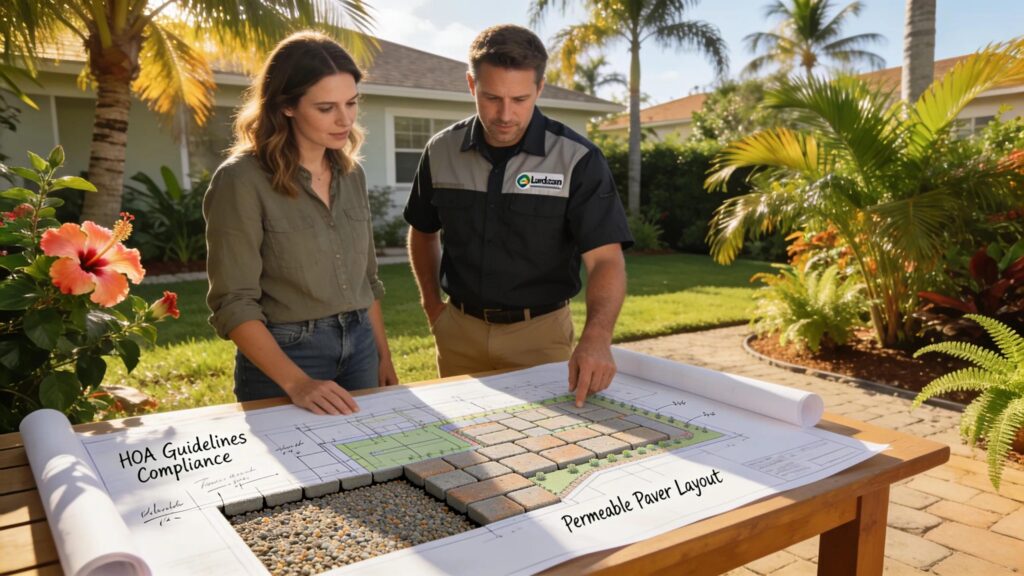
Understanding HOA regulations is essential for homeowners considering paver installations. Many HOAs in Florida advocate for environmentally sustainable practices, encouraging the use of permeable surfaces to manage stormwater. As a result, they often have guidelines that favor permeable pavers over traditional alternatives.
Key considerations regarding HOA regulations include:
- Compliance Standards: Installing permeable pavers can help satisfy local environmental standards set by HOAs, promoting sustainable landscaping.
- Approval Processes: Homeowners must often submit landscaping plans to their HOA for approval, and using permeable materials can increase the likelihood of a successful application.
- Maintenance Responsibilities: Permeable pavers typically require different maintenance compared to traditional ones, and understanding these responsibilities is vital for compliance.
Failing to adhere to these regulations can lead to fines, required removal of non-compliant materials, or increased scrutiny during future renovations.
How Do Florida HOA Regulations Affect Permeable and Traditional Paver Installations?
Florida’s HOA regulations often emphasize the importance of sustainable landscaping practices. Permitting permeability in paver materials is frequently a key requirement that homeowners are expected to meet when installing paving surfaces. As a result, permeable pavers may be favored over traditional concrete pavers due to their environmental benefits.
HOAs may also establish design criteria that require aesthetic considerations in addition to functional benefits. Choosing permeable pavers can simplify the approval process while aligning with the HOA’s mission to foster environmentally responsible landscapes.
Combining effective drainage solutions with compliance to HOA regulations is critical for Florida homeowners. Ultimately, selecting permeable pavers over traditional concrete alternatives can enhance landscape sustainability while minimizing the risks associated with flooding and environmental degradation. If you’re considering a project, we recommend scheduling a consultation to explore the best options for your unique landscape needs, ensuring compliance with local regulations while enriching your outdoor space.