Ledger Flashing & Hurricane Engineering
By Terrance Schabilion, Beyond Backyard Living – Custom Pool Builder Spring Hill FL
Selecting the right outdoor structure for your backyard can significantly enhance your living space, especially in Florida where weather conditions and aesthetics play a crucial role. This article compares custom attached pergolas and freestanding pavilions, focusing on elements like ledger board installation, flashing techniques, and the essential engineering required to withstand hurricane conditions. By understanding the advantages of each structure type, homeowners can make informed decisions that reflect their style preferences while ensuring durability and safety. In a state known for its storms, the importance of sturdy construction methods cannot be overstated.
We will discuss the key differences between these structures, the impact of ledger board installations, advantages of freestanding pavilions, flashing techniques, and applicable engineering standards in Florida.
What are the key differences between attached pergolas and freestanding pavilions in Florida?
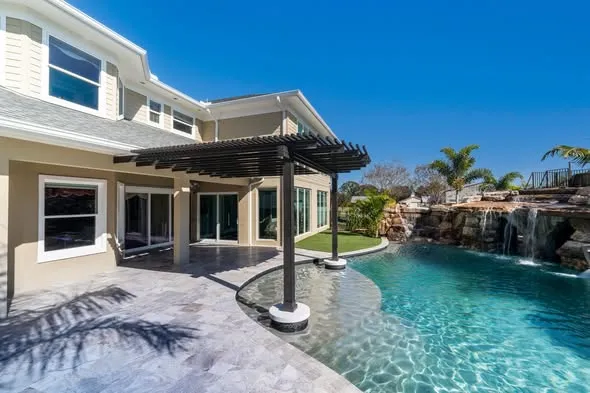
Attached pergolas are structures that connect directly to an existing building, providing a seamless transition between indoor and outdoor areas. In contrast, freestanding pavilions are independent structures that can be placed anywhere on the property. The choice between these two options often hinges on several factors including design aesthetics, functionality, and climate considerations specific to Florida.
Some notable differences include:
- Design Flexibility: Pergolas can be customized to match the architectural style of the home, while pavilions offer a standalone aesthetic that can enhance landscaping.
- Installation Complexity: Installing a pergola requires integrating it into the existing structure, often necessitating more intricate engineering than a freestanding pavilion that simply needs to be anchored securely.
- Climatic Suitability: Florida’s humid climate necessitates structural designs that prioritize resistance to mold and decay, making materials and installation methods integral to the longevity of either structure.
Beyond these functional differences, the context in which these structures are used can also impact choice. For comprehensive outdoor transformations, especially luxury designs by specialists like Beyond Backyard Living Creations, understanding how these elements integrate seamlessly with landscapes is pivotal.
How does ledger board installation impact attached pergola stability?
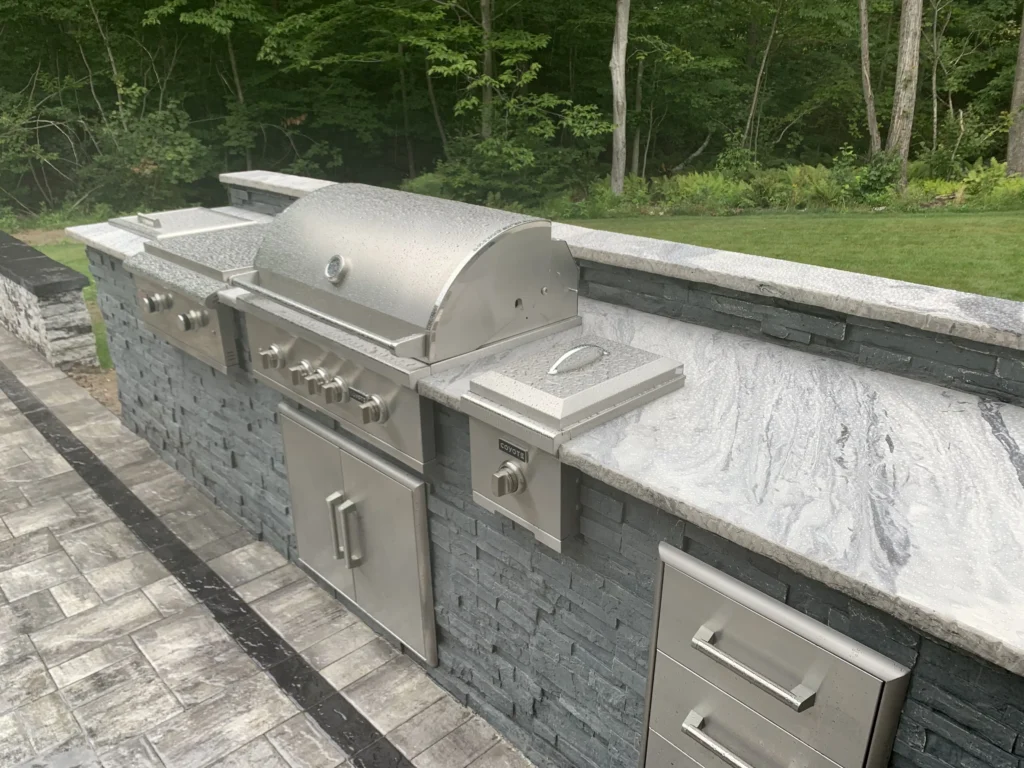
Ledger board installation plays a vital role in the overall stability of attached pergolas. This crucial component connects the structure to the building, serving not only as a support for the pergola but also acting as a barrier against weather-related issues, such as rainwater intrusion.
When properly installed, ledger boards provide enhanced structural support to handle wind loads, which is especially important in hurricane-prone Florida. The following key points illustrate their impact:
- Structural Integrity: Correctly placed ledger boards distribute weight and stress evenly across the supporting wall, minimizing potential damage during severe weather conditions.
- Moisture Protection: A well-flashed ledger board prevents water from seeping into the home’s structure, protecting against mold and structural degradation.
- Installation Practices: Utilizing flashings, such as metal or rubber membranes, during installation further safeguards against moisture intrusion, a critical factor in Florida’s climate.
| Component | Impact on Stability | Recommended Practices |
|---|---|---|
| Ledger Board | Distributes load and provides support | Proper placement and securing methods |
| Flashing | Prevents moisture intrusion | Use high-quality, weather-resistant materials |
| Anchor Points | Secures to building and withstands wind | Follow engineering standards for hurricane resilience |
Proper installation techniques significantly enhance the performance and durability of attached pergolas in Florida’s variable weather landscape.
What hurricane-resistant benefits do freestanding pavilions offer in Tampa Bay?
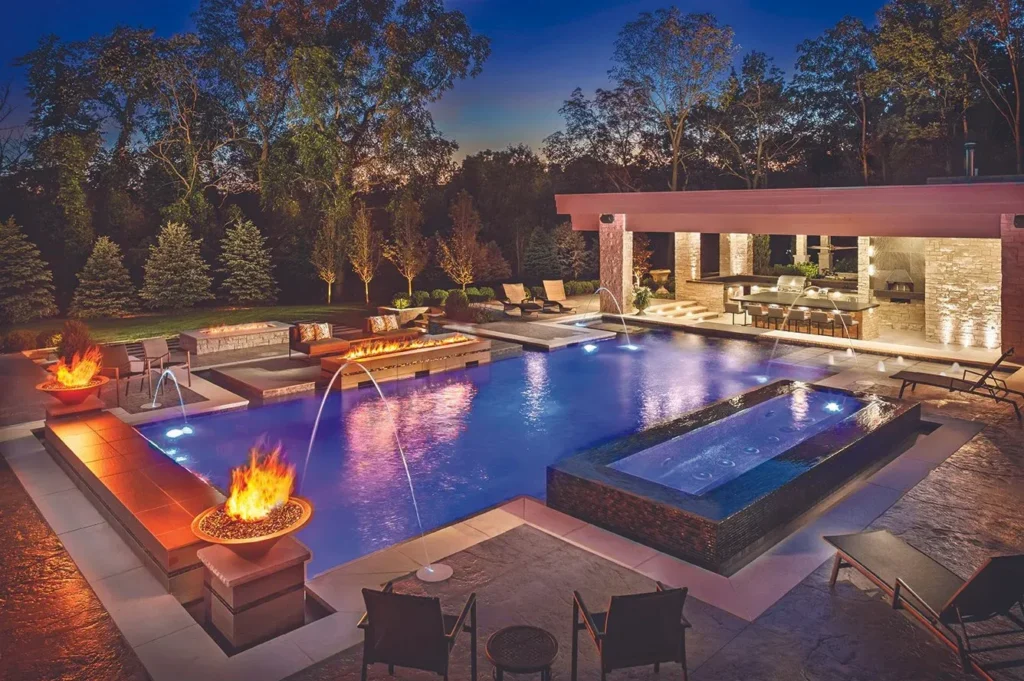
Freestanding pavilions provide numerous hurricane-resistant benefits that are crucial for homeowners in regions prone to severe weather, such as Tampa Bay. These structures are designed to withstand high winds and heavy rains without being permanently attached to another building.
Key advantages include:
- Wind Resistance: Properly engineered freestanding pavilions are built to meet local building codes and can endure strong winds, using materials and construction methods that enhance their resilience.
- Flexible Design: Without a connection to a primary structure, these pavilions can be constructed in a variety of shapes and sizes, allowing for customized designs that can withstand severe storm conditions.
- Lower Maintenance: The materials and techniques employed in the construction of freestanding pavilions are often more robust, requiring less ongoing maintenance while providing long-term durability against elements like saltwater from coastal storms.
How are ledger board flashing techniques applied to protect attached pergolas in Florida’s coastal environment?
Flashing techniques are essential in protecting attached pergolas from moisture damage, particularly in Florida’s coastal environments. Proper flashing can prevent water from seeping into the house and the pergola’s timber, which can lead to rot and decay.
The standard practices for applying flashing include:
- Material Selection: Using resilient materials like aluminum or high-grade polymer flashings that resist corrosion and offer long-lasting protection.
- Correct Installation: Flashings should extend beyond the ledger board to ensure runoff cannot infiltrate the attachment point.
- Regular Maintenance: Inspecting and replacing flashing materials, when necessary, ensures ongoing protection against moisture accumulation.
Why is proper flashing essential for ledger board installations on pergolas?
Proper flashing is essential for maintaining structural integrity and preventing water infiltration in ledger board installations for pergolas. Without adequate flashing, moisture can compromise not only the pergola but also the home it’s attached to.
The main purposes of flashing include:
- Waterproofing: To effectively redirect water away from joints, thereby preventing leaks into underlying structures.
- Structural Preservation: Flashing eliminates the risk of wood rot and insect damage, essential for longevity in Florida’s humid climate.
- Safety Assurance: Regular inspection and maintenance of the flashing provide peace of mind that the structure remains secure, particularly during storm season.
What materials and best practices ensure effective flashing for attached outdoor structures?
Selecting the right materials and employing best practices for flashing installations are pivotal in protecting attached outdoor structures. The following guidelines provide a framework for ensuring effective installation:
- Recommended Materials: Use high-quality flashing materials such as galvanized metal or polymer, which offer superior moisture resistance and durability.
- Installation Techniques: Flashing should overlap correctly with shingles or other roofing materials to provide a continuous barrier against water infiltration.
- Periodic Inspections: Regular checks for wear and adjustments to the flashing as needed can significantly extend the lifespan of outdoor structures in Florida.
What wind engineering standards and hurricane ratings must outdoor structures meet in Florida?
In Florida, outdoor structures like pergolas and pavilions are subject to strict wind engineering standards to enhance their resilience against hurricanes. These standards ensure safety and compliance with local building codes.
Key considerations include:
- Design Pressures: Structures must be engineered to withstand specific wind pressures based on their geographical location and height. For areas prone to hurricanes, structures should be rated for winds exceeding 150 mph.
- Materials Compliance: All materials used in construction must meet hurricane-rated specifications to ensure structural stability.
- Certification Requirements: Builders often need to provide documentation of compliance with the Florida Building Code, which includes rigorous testing standards for wind resistance.
How does Florida Building Code regulate wind resistance for pergolas and pavilions?
The Florida Building Code includes specific regulations aimed at enhancing wind resistance for outdoor structures. These codes are critical in safeguarding property and life during severe weather conditions.
The code mandates:
- Structural Design Systems: All outdoor structures must incorporate design systems that support wind loads adequately, utilizing fixtures and connectors rated for high winds.
- Inspections and Permits: Builders must secure permits and undergo inspections to ensure compliance with these standards, promoting safety in construction.
- Continuous Updates: The code is regularly updated to reflect the latest research and advancements in engineering practices related to hurricane resistance.
What engineering techniques enhance hurricane resilience for attached and freestanding structures?
Advanced engineering techniques play a crucial role in enhancing the hurricane resilience of both attached and freestanding structures.
Such techniques include:
- Reinforced Connections: Securing joints with upgraded hardware to withstand torsional loads during strong winds improves overall structural integrity.
- Aerodynamic Design Principles: Designing structures with rounded edges and sloped roofs can minimize wind resistance and uplift potential during storms.
- Material Innovations: Utilizing composite materials that resist rot and decay enhances durability against harsh weather elements.
How do luxury pool and outdoor kitchen features integrate with pergolas and pavilions in turnkey Florida projects?
Integrating luxury pool features and outdoor kitchens with pergolas and pavilions brings aesthetic appeal and functional enhancement to outdoor spaces in Florida. Effective design ensures that these structures complement one another, creating a cohesive outdoor living area.
Key design aspects to consider include:
- Architectural Compatibility: Ensuring the styles of the pool, kitchen, and outdoor structures harmonize creates a unified visual appeal that enhances the property’s value.
- Functional Design: Positioning pergolas and pavilions strategically allows for shade and shelter, enhancing the usability of outdoor cooking and leisure spaces.
- Overall Aesthetic Synergy: Selecting colors, materials, and design motifs that reflect a cohesive theme throughout the outdoor space promotes an inviting atmosphere.
What design considerations link custom pools with pergola structures?
Design considerations connecting custom pools and pergola structures encompass both aesthetics and functionality. Successfully combining these elements enhances the overall outdoor experience.
Considerations include:
- Visual Harmony: Aligning the color schemes and material choices between the pool and pergola creates a pleasing visual effect.
- Functional Utility: Offering sun protection or rain coverage over pools and seating areas increases the usability of outdoor spaces year-round.
- Safety Features: Incorporating safety measures, such as non-slip surfaces and proper railing, ensures a secure environment around pools and adjacent structures.
Which outdoor kitchen features complement freestanding pavilions for upscale Florida homes?
Freestanding pavilions, combined with well-designed outdoor kitchens, can enhance entertaining capabilities and outdoor enjoyment in upscale homes.
Essential kitchen features include:
- Built-in Grills: A high-quality grill ensures barbecue enthusiasts can enjoy cooking outdoors without interruption.
- Refrigeration Units: Including refrigerators allows for easy food preparation and storage during gatherings, enhancing overall convenience.
- Sink and Counter Space: Ample countertops and a sink streamline food prep and clean-up, making it easier to host larger groups.
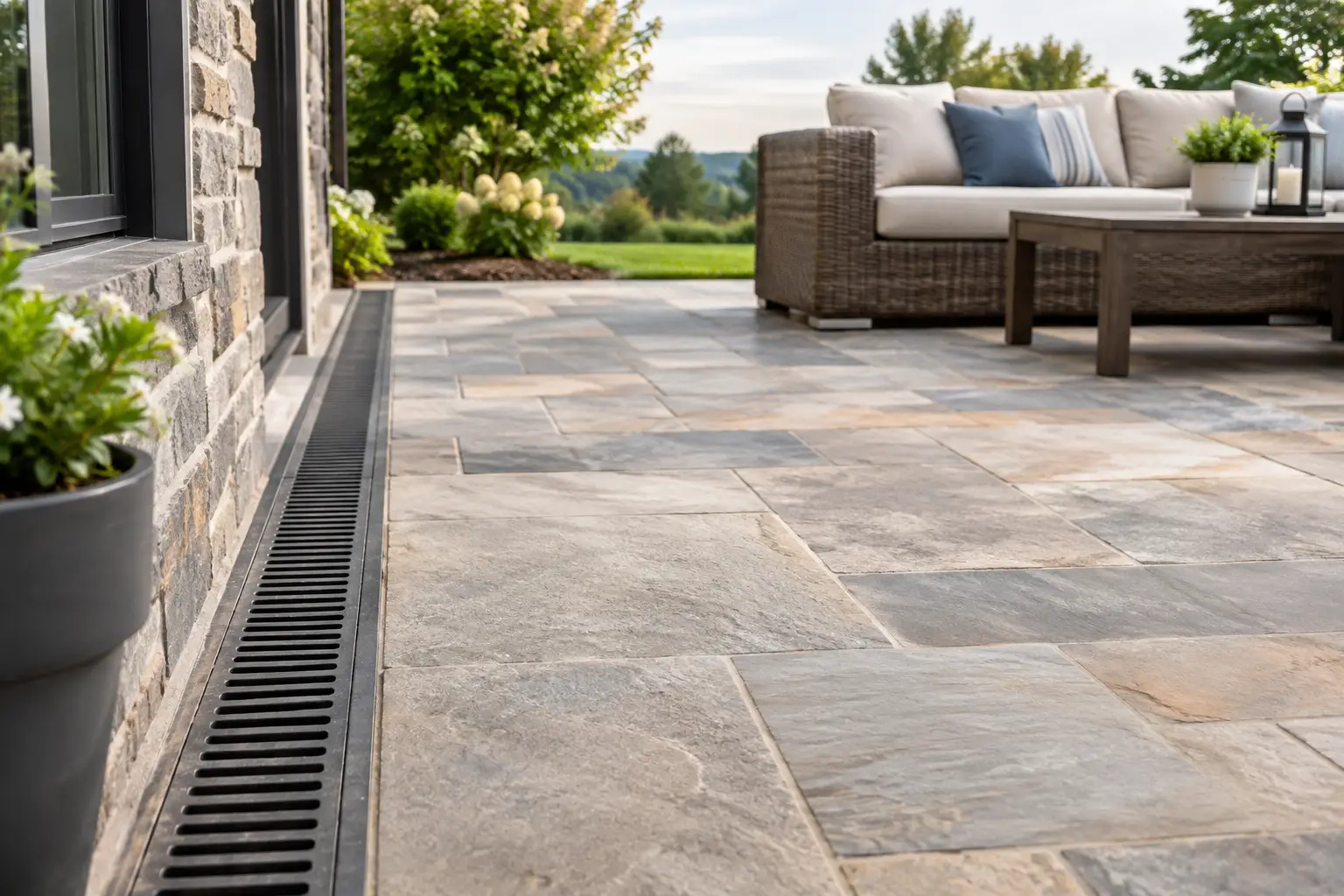
To ensure your overall outdoor space remains durable, utilizing pavers around your structures can provide long-lasting stability against the elements. Furthermore, incorporating proper paver drainage systems prevents water pooling near the foundation during heavy Florida downpours. Homeowners can also benefit from enrolling in an annual protection plan to keep their hardscapes looking pristine year after year.
These elements work together seamlessly, contributing to the enjoyment of outdoor living spaces while ensuring that structures are equipped to handle Florida’s climate.