A beautiful backyard rarely happens because someone picked the right plants at the garden center. It happens because someone looked at the entire property – the way you live, the way you entertain, the way the sun moves, the way guests arrive – and turned all of it into one cohesive plan. If you have ever wondered what does a landscape designer do, the short answer is this: they turn outdoor space into an intentional experience.
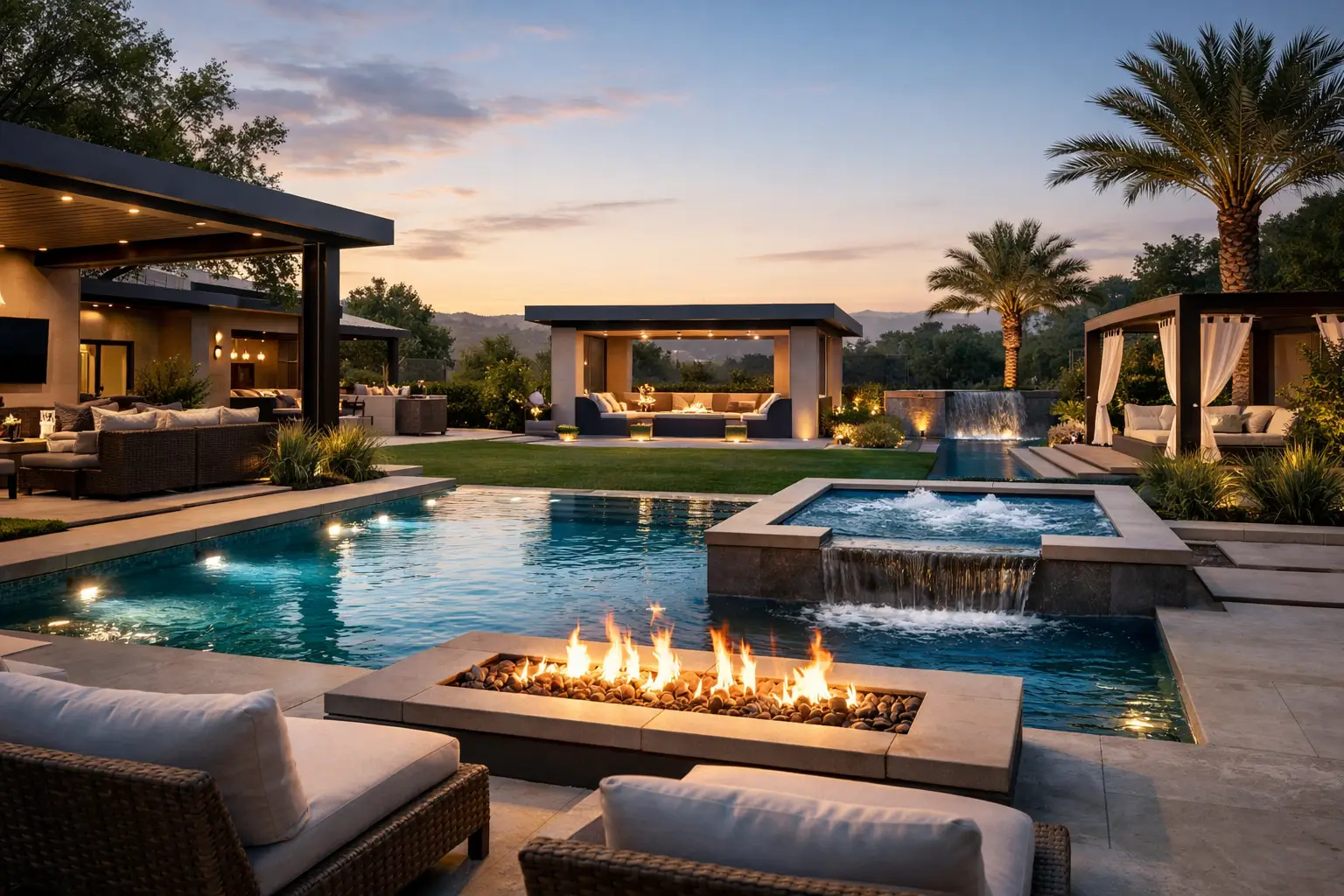
That experience can be quiet and restorative, with layered planting, soft lighting, and a tucked-away patio for morning coffee. Or it can be built for weekends with family and friends, with a pool, outdoor kitchen, fire feature, and covered gathering space that feels like a private resort. The point is not just to make a yard look better. It is to make it work beautifully.
What does a landscape designer do for a homeowner?
A landscape designer plans how an outdoor space should look, feel, and function. That includes the layout of planting beds, patios, walkways, water features, lighting, outdoor structures, and gathering areas. They study the property, listen to how you want to use it, and develop a design that ties every element together.
For homeowners investing in a premium outdoor transformation, that role goes far beyond choosing shrubs or sketching a few ideas. A skilled designer is balancing architecture, grading, drainage, circulation, privacy, views, materials, and long-term maintenance. They are asking questions you may not have considered yet, like whether your fire pit should be visible from the pool, whether afternoon shade matters more than sunset views, or whether the front entry should hint at the same design language as the backyard.
This is where design becomes valuable. Without it, outdoor projects often get built piece by piece. A patio is added one year, lighting later, then planting, then maybe a pergola after that. The result can feel disjointed. A landscape designer starts with the full vision, so every choice supports the finished space rather than competing with it.
They design for lifestyle, not just landscaping
The best outdoor spaces are not simply attractive. They fit the people who live there.
A landscape designer begins by understanding how you want to use the property. Some families want a backyard centered on entertaining, with room for dining, cooking, lounging, and conversation. Others want a more peaceful retreat with privacy planting, a fountain, and soft garden paths. Some need practical solutions, like better drainage, safer circulation around a pool, or a front yard that improves curb appeal without constant upkeep.
That is why design is never just decoration. It is planning for real life. If you host often, the designer thinks about how guests move through the space and where groups naturally gather. If you have children, they may create open lawn areas, recreation zones, or sightlines that help you supervise from a covered patio. If low maintenance matters, they may steer material and plant choices in a different direction than a client who enjoys hands-on gardening.
Luxury outdoor living should feel personal. A designer helps make sure it does.
What a landscape designer actually works on
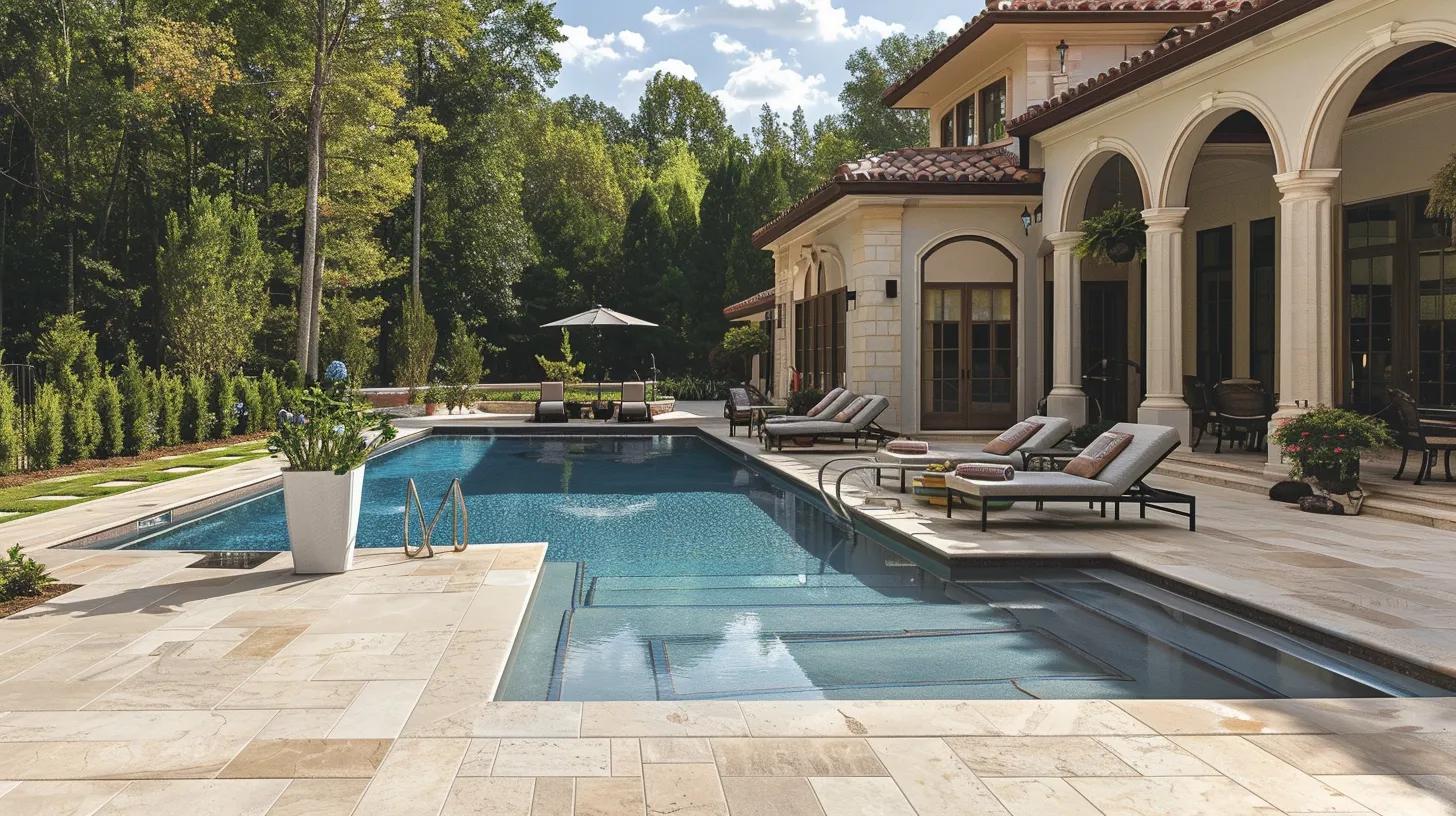
The scope depends on the project, but most landscape designers work across both softscape and hardscape elements. Softscape includes planting, turf, trees, garden beds, and other living components. Hardscape includes patios, retaining walls, walkways, driveways, steps, pool decks, and built features like fireplaces or outdoor kitchens.
On a high-end residential project, the designer may also shape how architectural features fit into the landscape. That can include pergolas, pavilions, privacy screens, seat walls, custom lighting, and water features. The work is less about isolated items and more about how those pieces relate to one another.
A well-designed backyard has rhythm. Materials feel consistent. Spaces connect naturally. Views are framed instead of cluttered. Functional zones have purpose, but the property still feels unified. That kind of cohesion is one of the clearest signs that a landscape designer was involved early and thoughtfully.
Site analysis and problem-solving
Before any concept takes shape, a landscape designer studies the site itself. That means understanding topography, drainage patterns, sun exposure, existing vegetation, views, and access points. They also consider local conditions, from climate to soil behavior to how much wear different areas will experience.
This part is less glamorous than choosing finishes, but it often determines whether a project performs well over time. A backyard with grading issues may need retaining walls or stormwater solutions before aesthetic upgrades can succeed. A patio placed in the wrong orientation may become too hot to use. A planting plan that ignores local conditions can struggle quickly.
Good design solves problems before they become expensive frustrations.
Space planning and flow
One of the most valuable things a landscape designer does is organize space. They decide where major features belong and how each one connects to the next.
That might mean placing a pool where it feels integrated with the home, not detached from it. It might mean aligning a walkway so the approach to the front entry feels gracious and clear. It might mean creating enough distance between a dining terrace and a fire feature so each area has its own identity.
Flow matters more than many homeowners expect. A backyard can have beautiful individual features and still feel awkward if circulation is cramped, sightlines are blocked, or gathering areas compete with one another. Design gives the space a natural logic.
Material and planting selection
Landscape designers also help shape the visual character of the project. They select or recommend materials, textures, colors, and plant palettes that suit the architecture of the home and the atmosphere you want to create.
For one property, that may mean clean-lined pavers, sculptural planting, and a restrained modern palette. For another, it may call for natural stone, lush layered beds, and a warmer, resort-inspired look. Neither is automatically better. The right choice depends on the home, the site, and the homeowner.
Plant selection deserves special attention because it is often misunderstood. A designer is not simply choosing what looks pretty in bloom. They are considering scale, seasonal interest, privacy, texture, maintenance needs, and how the planting will mature over time. The goal is a landscape that feels finished now and stronger in the years ahead.
Landscape designer vs. landscaper vs. landscape architect
These roles overlap, but they are not identical.
A landscaper typically focuses on installation and maintenance. That can include planting, sod, mulching, irrigation work, and general site improvements. Some landscapers also offer design, but the depth of planning can vary widely.
A landscape designer focuses on the creative and functional plan for the space. They develop layouts, choose elements, and shape the overall outdoor experience. Their strength is in composition, usability, and aesthetics grounded in practical realities.
A landscape architect is a licensed professional who may work on larger or more technically complex projects involving grading plans, drainage systems, permitting, public spaces, or structural considerations that require stamped drawings. For some residential projects, a landscape designer is exactly the right fit. For others, especially where engineering or permitting demands are high, a landscape architect may also be needed.
It depends on the project. If you are creating a complete outdoor living environment with multiple features, many homeowners benefit most from a design-build team that can carry the vision from concept through construction.
Why design matters before construction starts
It is tempting to start with the feature you want most – a pool, patio, outdoor kitchen, or fire pit – and figure out the rest later. Sometimes that works. Often, it leads to compromises.
When design comes first, your budget gets used more strategically. You can prioritize what matters, see how each piece fits, and avoid rework later. You also get clarity on scale, placement, and material relationships before construction decisions are locked in.
That is especially important for premium projects. The more custom the space, the more every choice affects another one. Drainage influences layout. Layout influences utilities. Utilities influence structure placement. Structure placement affects lighting, circulation, and planting. A designer helps manage those connections so the finished result feels elevated rather than improvised.
For homeowners who want more than a basic backyard refresh, this is often the difference between adding features and creating a destination.
What to expect when working with a landscape designer
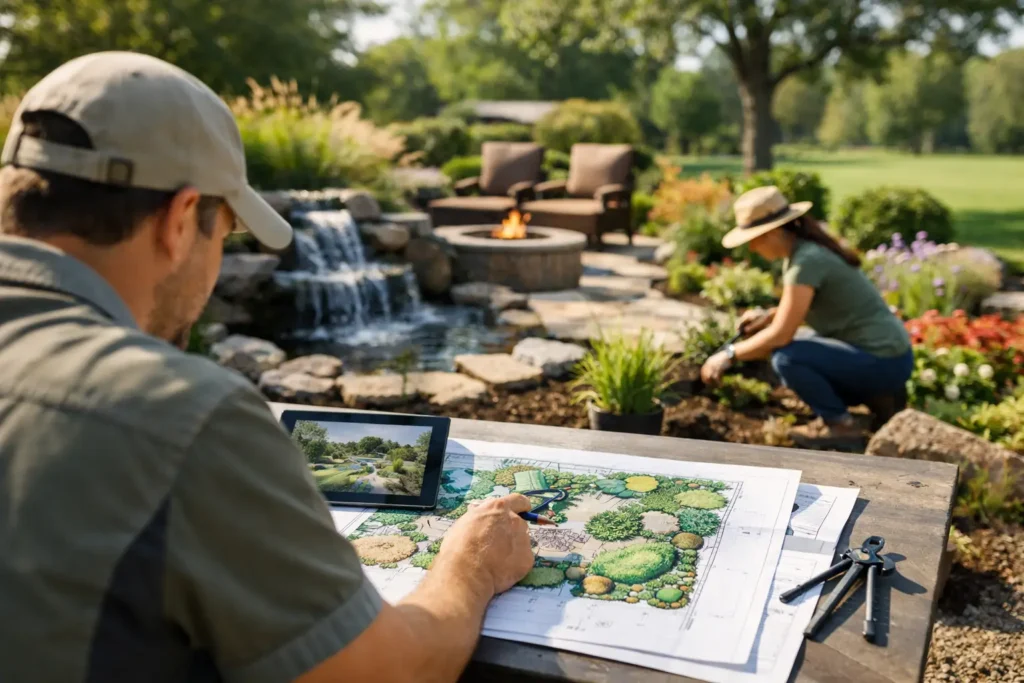
Most landscape design projects begin with a consultation and site review. The designer learns about your goals, style preferences, wishlist, budget range, and how you want the property to function. From there, they develop a concept that translates those ideas into a workable plan.
As the design evolves, you may review layout options, materials, feature placements, and planting direction. Depending on the firm, the process may include renderings, construction drawings, or a phased master plan. The strongest experience is collaborative, but it is not passive. A designer brings expertise, perspective, and recommendations that refine your ideas into something more complete than you may have imagined on your own.
That is especially true with a full-service company like Beyond Backyard Living, where design and construction work in tandem. Instead of treating design as a separate sketching exercise, the process connects vision, craftsmanship, and buildability from the start.
A great landscape designer does not just ask what you want in your yard. They ask how you want to feel when you step into it. Relaxed. Proud. Welcoming. Inspired to stay outside longer. That is the real work behind the drawings.
The best outdoor spaces feel effortless once they are finished. But behind that ease is careful planning, creative judgment, and a designer who knows how to turn open space into a place people remember.