Masterplanning Luxury Outdoor Spaces
By Terrance Schabilion, Beyond Backyard Living
Creating a custom outdoor living space in Florida is an exciting venture that allows homeowners to blend comfort, style, and functionality. This comprehensive guide will explore essential design principles, suitable materials, and layout optimization for outdoor kitchens and patios. As Florida’s unique climate presents specific challenges, understanding how to design resilient outdoor spaces is crucial. Homeowners often face the dilemma of balancing aesthetics with practicality, but with the right approach, it is possible to achieve both. This article will cover key design principles, material selection, layout strategies, and landscaping tips to help you create a luxurious outdoor living experience.
Florida’s commitment to addressing its unique environmental challenges is reflected in its robust building codes and coastal management efforts.
Florida Climate Resilience & Building Codes
The State of Florida has enacted more stringent building codes and helps fund the “renourishment” of its coasts, installing expensive pumps to manage water.
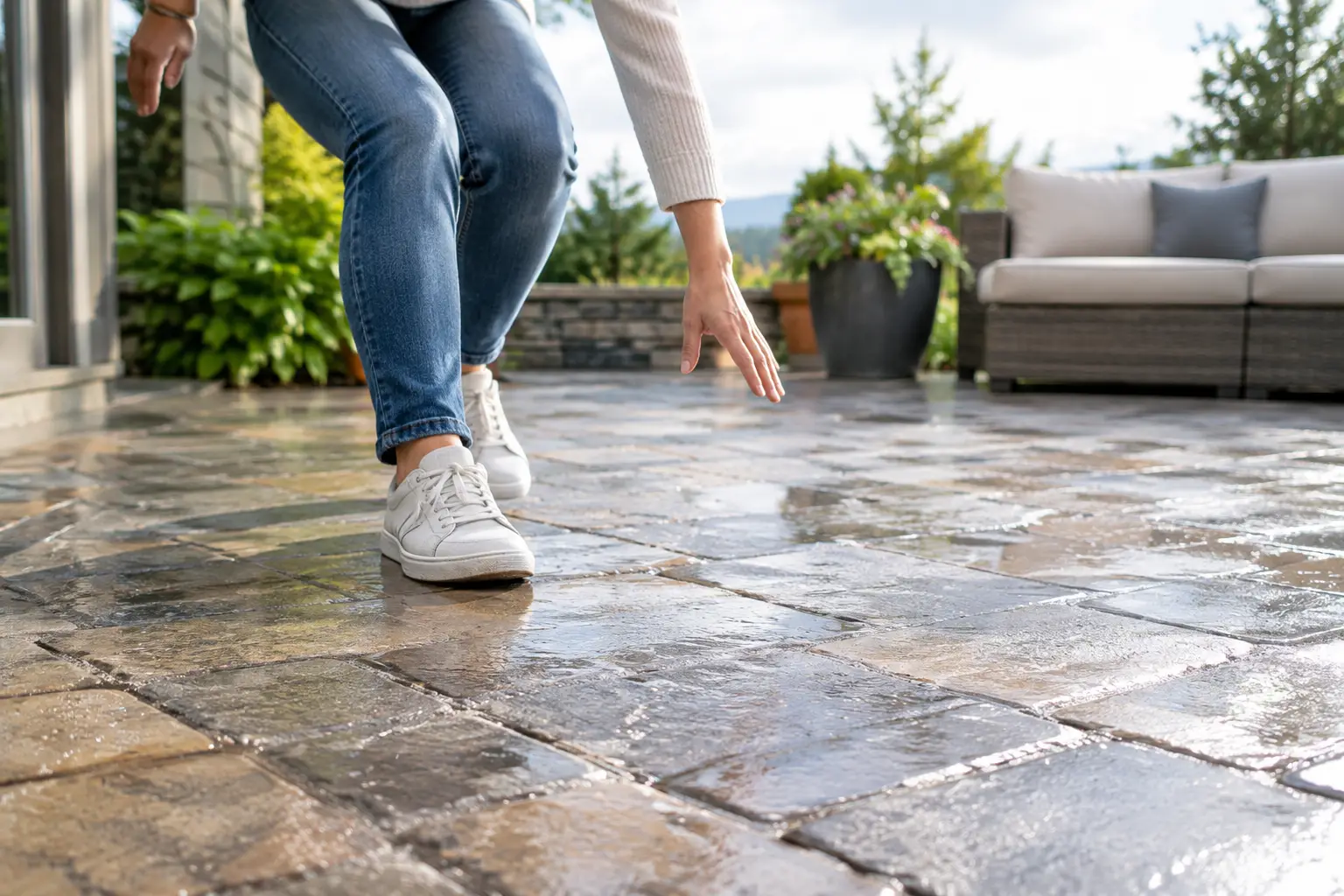
Tribological Analysis of Surface Textures in Porcelain Tiles for Enhancing Pedestrian Walkway Safety, IJ Kim, 2024
Essential Design Principles
Designing an outdoor living space requires a thoughtful approach to ensure it meets the needs of the homeowner while harmonizing with the surrounding environment. Key principles include:
- Design Continuity: The outdoor space should reflect the architectural style of the home, creating a seamless transition between indoor and outdoor areas.
- Custom Layout: Tailoring the layout to the homeowner’s lifestyle enhances functionality, allowing for easy movement and interaction.
- Climate Considerations: Understanding Florida’s weather patterns is essential for selecting appropriate materials and designing features that withstand the elements.
These principles serve as a foundation for creating a cohesive and inviting outdoor living area. By focusing on these aspects, homeowners can ensure their outdoor spaces are not only beautiful but also practical and durable.
Suitable Materials for Florida's Climate
Selecting the right materials is crucial for the longevity and functionality of outdoor living spaces in Florida. The following materials are particularly well-suited to withstand the state’s unique climate:
- Natural Stone: Offers durability and aesthetic appeal, making it ideal for patios and walkways.
- Porcelain Surfaces: Low-maintenance and refined, porcelain tiles are resistant to moisture and fading.
- Stainless Steel: A strong choice for outdoor appliances, stainless steel resists rust and corrosion, ensuring longevity.
Research further supports the versatility and durability of porcelain tiles for various outdoor applications, including patios.
Porcelain Tiles for Outdoor Patios
Four commercially available porcelain tiles were meticulously selected from local markets in diversity in surface textures and finishes suitable for indoor and outdoor applications.
Tribological Analysis of Surface Textures in Porcelain Tiles for Enhancing Pedestrian Walkway Safety, IJ Kim, 2024
These materials not only enhance the beauty of outdoor spaces but also provide the resilience needed to endure Florida’s weather conditions.
Layout Optimization for Luxury Outdoor Cooking
An effective layout is essential for maximizing the functionality of outdoor kitchens. Key strategies include:
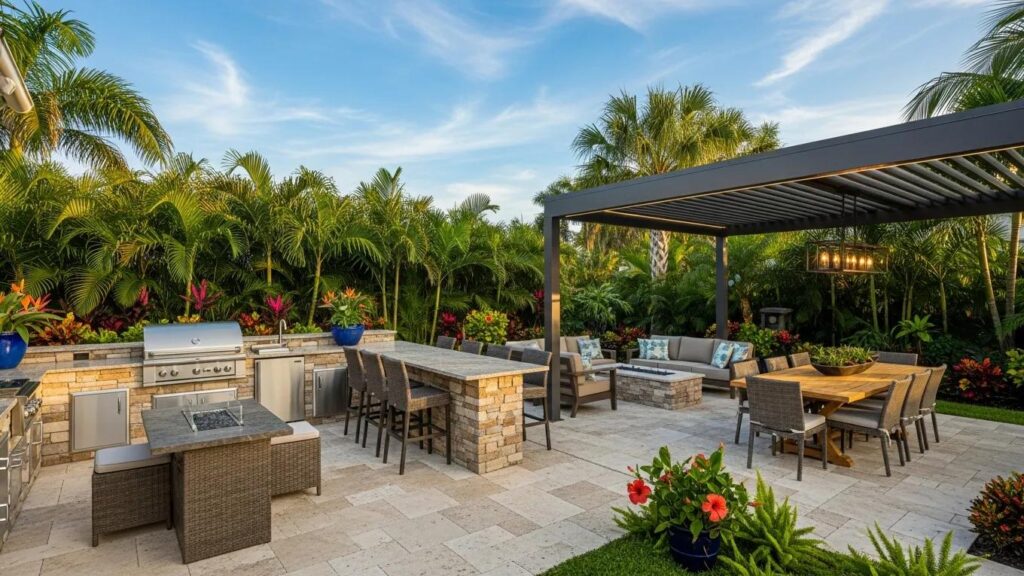
- Zoning: Designate specific areas for cooking, dining, and lounging to enhance the overall experience.
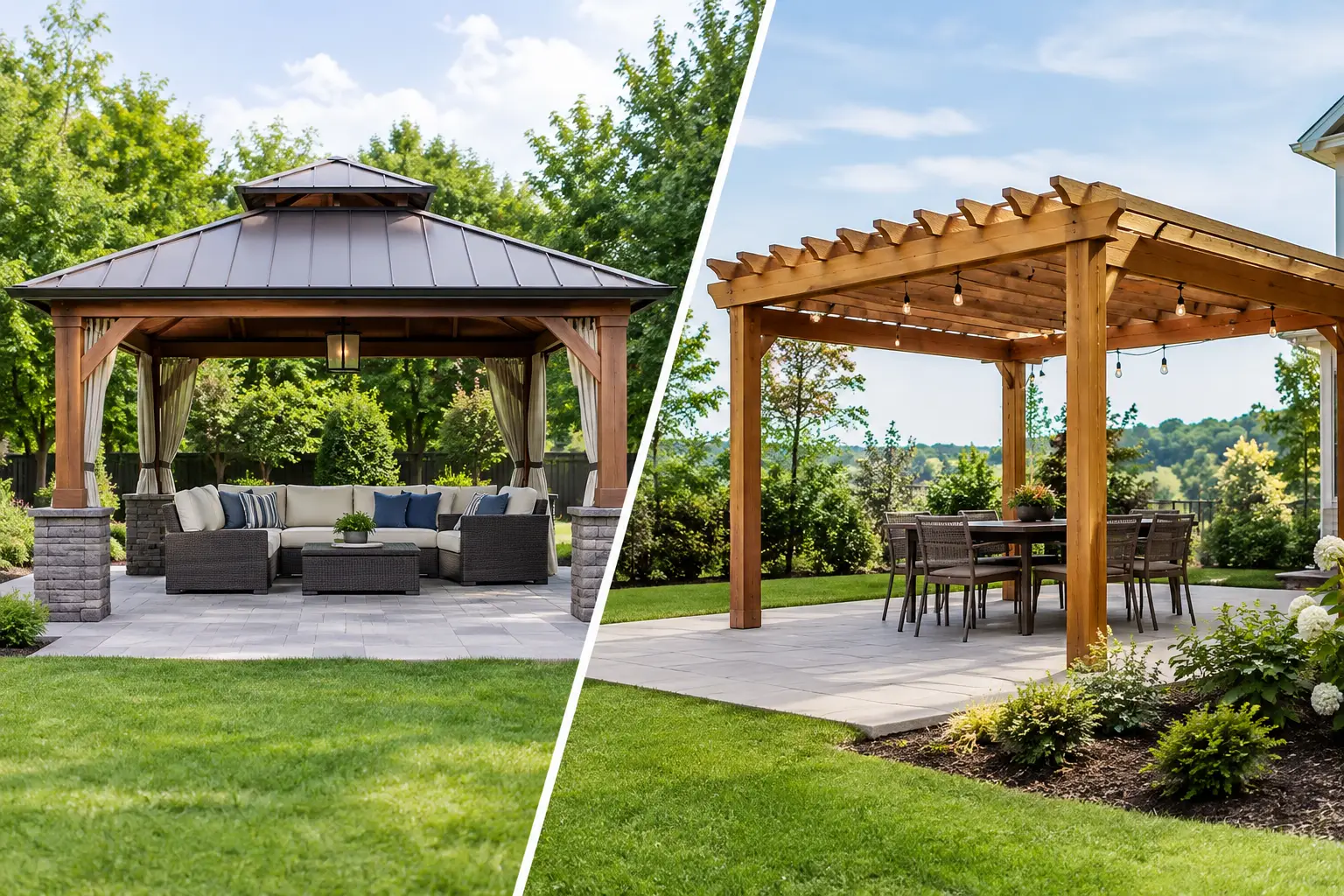
- Covering the Kitchen: Installing a roof or pergola protects appliances and provides shade, making the space usable year-round.
- Appliance Placement: Positioning appliances for efficiency ensures a smooth cooking process, allowing for easy access to tools and ingredients.
By implementing these layout strategies, homeowners can create a luxurious outdoor cooking experience that is both practical and enjoyable.
Climate-Resilient Landscaping
Landscaping plays a vital role in enhancing outdoor living spaces while addressing Florida’s climate challenges. Effective landscaping strategies include:
- Layered Planting: Creating a lush landscape with varying heights and textures adds visual interest and provides natural shade.
- Water Features: Incorporating fountains or ponds enhances aesthetics and creates a soothing atmosphere.
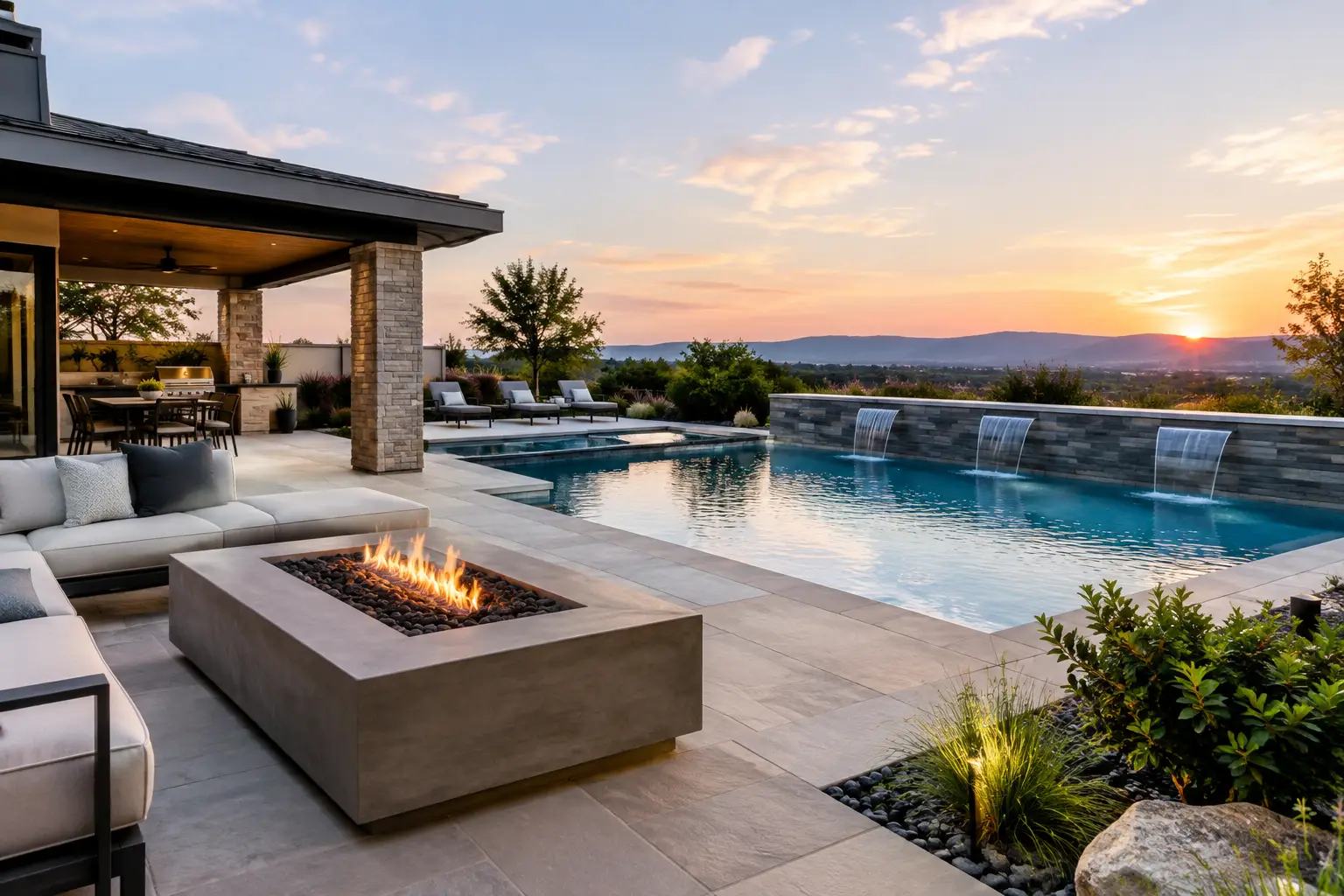
- Fire Elements: Adding fire pits or outdoor fireplaces provides warmth and ambiance, making the space inviting during cooler evenings.
These landscaping techniques not only beautify outdoor areas but also contribute to a more comfortable and enjoyable living environment.
Best Plants and Hardscapes for the Environment
Choosing the right plants and hardscapes is essential for creating a sustainable outdoor living space in Florida. Consider the following:
- Native Plants: Require less maintenance and are better adapted to local conditions, making them a sustainable choice.
- Durable Hardscaping: Materials like concrete and brick withstand Florida’s weather, ensuring longevity and minimal upkeep.
- Shade Trees: Planting trees strategically can enhance the outdoor experience by providing natural shade and cooling.
By selecting appropriate plants and hardscapes, homeowners can create a vibrant and sustainable outdoor environment that thrives in Florida’s climate.
How to Integrate Sustainable and Artisanal Craftsmanship in Landscaping
Integrating sustainable practices and artisanal craftsmanship into landscaping can elevate the aesthetic and environmental value of outdoor spaces. Homeowners can consider:
- Locally Sourced Materials: Using materials from local suppliers reduces transportation emissions and supports the community.
- Artisanal Features: Custom stonework or handcrafted furniture adds a unique touch, showcasing craftsmanship and individuality.
- Sustainable Practices: Implementing rain gardens or xeriscaping can enhance water conservation and promote biodiversity.
The integration of sustainable practices in outdoor design is crucial for creating spaces that promote well-being while fostering environmental consciousness.
Sustainable & Climate-Conscious Outdoor Design
This article explores the idea of living in outdoor environmental design. It works to highlight the necessity of creating outdoor spaces that will simultaneously create positive physical and mental health effects while observing sustainable environmental practices that increase quality of life. In addition, it emphasizes the role such ideas can have in spreading environmental consciousness through society. It highlights the importance of climate-conscious, practice-based, and site-specific outdoor living design in global and local contexts as an effective means to advance environmentally sustainable design through best practices.
Theory and Practice for Outdoor Spaces of Urban Challenges: An Environmental Sustainable Design, LK Kadhum, 2026
These approaches not only enhance the beauty of outdoor spaces but also contribute to a more sustainable and responsible landscaping practice.
What Are the Finest Fire Features and Lighting Solutions for Elegant Florida Patios?
Incorporating fire features and lighting solutions can significantly enhance the ambiance of outdoor patios. Consider the following options:
- Fire Pits: Provide warmth and a gathering spot for family and friends, creating a cozy atmosphere.
- String Lights: Add a magical touch to outdoor spaces, enhancing the overall aesthetic and providing functional lighting.
- Pathway Lighting: Ensures safety while guiding guests through the outdoor area, creating an inviting environment.
These features not only improve the functionality of outdoor spaces but also create a welcoming atmosphere for gatherings and relaxation.
How to Design Bespoke Outdoor Fireplaces that Complement Florida Homes?
Designing a bespoke outdoor fireplace involves careful consideration of style, materials, and functionality. Key aspects include:
- Material Selection: Choose materials that complement the home’s architecture, such as brick or stone, to create a cohesive look.
- Size and Scale: Ensure the fireplace is proportionate to the outdoor space, providing a focal point without overwhelming the area.
- Functionality: Incorporate features like built-in seating or storage to enhance usability and comfort.
By focusing on these design elements, homeowners can create a stunning outdoor fireplace that serves as a centerpiece for their outdoor living space.
Which Lighting Techniques Elevate Ambiance and Safety in Outdoor Spaces?
Effective lighting is essential for enhancing both the ambiance and safety of outdoor spaces. Consider these techniques:
- Layered Lighting: Combining ambient, task, and accent lighting creates a well-lit and inviting atmosphere.
- Motion Sensors: Installing motion-activated lights enhances security and convenience, illuminating pathways as needed.
- Dimmable Options: Allow for adjustable lighting levels, enabling homeowners to set the mood for different occasions.
These lighting techniques not only improve safety but also enhance the overall experience of outdoor living spaces.
How Does the Consultation and Project Planning Process Ensure a Refined Outdoor Living Experience?
The consultation and project planning process is crucial for achieving a refined outdoor living experience. Key steps include:
- Initial Consultation: Discussing the homeowner’s vision and requirements helps establish a clear direction for the project.
- Design Development: Creating detailed plans and 3D renderings allows homeowners to visualize the final outcome and make informed decisions.
- Project Management: Coordinating timelines and resources ensures a smooth construction process, minimizing disruptions.
By following these steps, homeowners can ensure their outdoor living space is tailored to their needs and preferences.
What to Expect During a Personalized Design Consultation with Experts?
During a personalized design consultation, homeowners can expect a collaborative and informative experience. Key elements include:
- Needs Assessment: Experts will evaluate the homeowner’s lifestyle and preferences to create a tailored design plan.
- Material Selection Guidance: Professionals will provide insights on suitable materials that align with the homeowner’s vision and budget.
- Budget Planning: Discussing budget considerations upfront helps set realistic expectations and ensures the project stays on track.
This personalized approach ensures that the final design reflects the homeowner’s unique style and functional needs.