Day: September 15, 2026

  • Energy Efficient Pool Heating in Florida: Heat Pumps, Gas Heaters & Solar Hybrid Systems by Beyond Backyard Living

    Energy Efficient Pool Heating in Florida: Heat Pumps, Gas Heaters & Solar Hybrid Systems by Beyond Backyard Living

    By Terrance Schabilion, Beyond Backyard Living – Custom Pool Builder Spring Hill FL

    In Florida’s sunny climate, the need for efficient pool heating is paramount, especially for those wanting to extend their outdoor swimming experience throughout the year. This article delves into the various pool heating solutions available, such as heat pumps, gas heaters, and solar hybrid systems, emphasizing their benefits, efficiency, and suitability for the Florida environment. Readers will learn about how these technologies function, their cost-effectiveness, and which systems align best with energy efficiency goals. The article will also highlight the luxury of custom pool heating solutions offered by Beyond Backyard Living, showcasing how to achieve an ideal luxurious pool experience.

    What are the Benefits of Heat Pump Pool Heating in Florida?

    Heat pump systems are an excellent choice for pool heating in Florida, providing an energy-efficient alternative to traditional heating methods. These systems work by transferring heat from the air to the pool water, effectively maintaining comfortable swimming temperatures year-round. By utilizing the ambient heat in the environment, heat pumps can significantly reduce energy consumption and operational costs.

    Below are some of the main benefits of choosing heat pump pool heating:

    1. Lower Energy Costs: Heat pumps provide substantial savings by using electricity to move heat rather than generating it, making them more cost-effective over time compared to gas heaters.
    2. Environmental Benefits: With their reduced carbon footprint, heat pumps contribute to a more sustainable approach to heating pools, aligning with eco-friendly practices.
    3. Year-Round Use: Designed for the warm climate of Florida, heat pumps operate efficiently across various temperatures, allowing for comfortable swimming any time of the year.

    How Does Heat Pump Technology Improve Energy Efficiency in Florida Pools?

    Heat pump technology delivers enhanced energy efficiency for pool heating through a process called heat transfer. This technology captures natural heat from the air and transfers it to the pool water using a refrigeration cycle. This allows for effective heating with minimal energy usage, leading to significant energy savings.

    Additionally, heat pumps can operate effectively even at lower temperatures, ensuring that users can enjoy their pools comfortably without incurring high heating costs. Estimates show that heat pumps can reduce pool heating costs by up to 70% compared to traditional gas systems, making them a smart choice for Florida homeowners looking to invest in energy-efficient heating solutions.

    Moreover, through synchronization with variable-speed filtration systems, heat pumps can be seamlessly managed using smart pool automation systems, optimizing temperature scheduling and energy use for maximum efficiency. In addition, smart pool automation systems in Florida streamline heater schedules and minimize energy draw, providing an effortless way to maintain ideal pool temperatures while reducing operational costs.

    What Are the Cost and Longevity Advantages of Pool Heat Pumps?

    Investing in heat pump technology offers considerable advantages regarding long-term cost and system longevity. Heat pumps have an average lifespan of 15 to 20 years with proper maintenance, which outlasts many gas heaters and provides a reliable heating solution for pool owners.

    Operationally, the cost savings are notable. Heat pumps can result in savings on electricity bills, with reduced monthly expenses compared to gas heating. In the long term, these savings on energy can lead to a favorable return on investment, proving beneficial for homeowners who prioritize both luxury and sustainability in their pool environments.

    How Do Gas Pool Heaters Perform in Florida’s Climate?
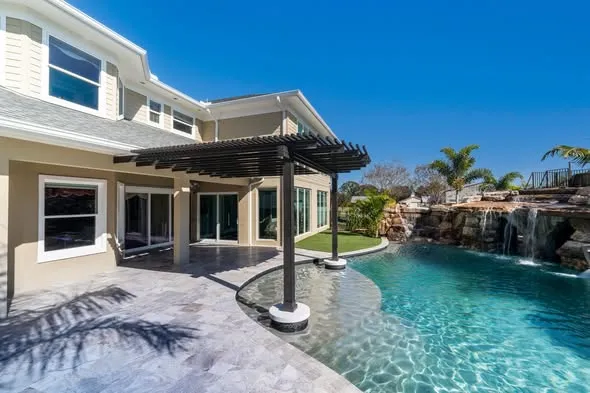
    Luxury home with pool, waterfall, and patio under a pergola.

    Gas heaters are known for their ability to heat pools quickly and are often preferred for their speed. In Florida’s climate, where sudden weather changes can occur, gas heaters excel by providing rapid heating when immediate pool use is desired.

    However, the operational costs can be higher due to fluctuating gas prices. These heaters are ideal for seasonal use or for those who require a reliable heating option during colder months. Distinct from the efficiency of heat pumps, gas heaters may not be as environmentally friendly but are valuable for instances where prompt heating is necessary.

    What Is the Typical Cost of Gas Pool Heating for Florida Pools?

    The costs associated with gas pool heating can vary based on factors such as size, usage, and local gas prices. On average, homeowners may expect to pay monthly utility costs ranging from $100 to $300 during the swimming season. Installation costs can range from $2,000 to $4,000, making it a significant initial investment.

    For those who frequently use their pools, understanding this cost structure is essential. Seasonal fluctuations in gas prices can affect the overall expenses dramatically, making budgeting vital for gas heater users.

    How Energy Efficient Are Gas Heaters Compared to Other Systems?

    Gas heaters, while effective for rapid heating, typically have lower overall energy efficiency ratings when compared to heat pumps. The Annual Fuel Utilization Efficiency (AFUE) ratings for gas heaters average around 80% to 90%, signifying that a substantial portion of the energy is lost during the heating process.

    In contrast, modern heat pumps can achieve efficiencies exceeding 500%, highlighting their superior performance in energy conservation. Thus, while gas heaters provide quick results, their longer-term operational efficiency falls behind that of heat pumps and solar hybrid systems.

    Why Choose Solar Hybrid Pool Heating Systems in Florida?
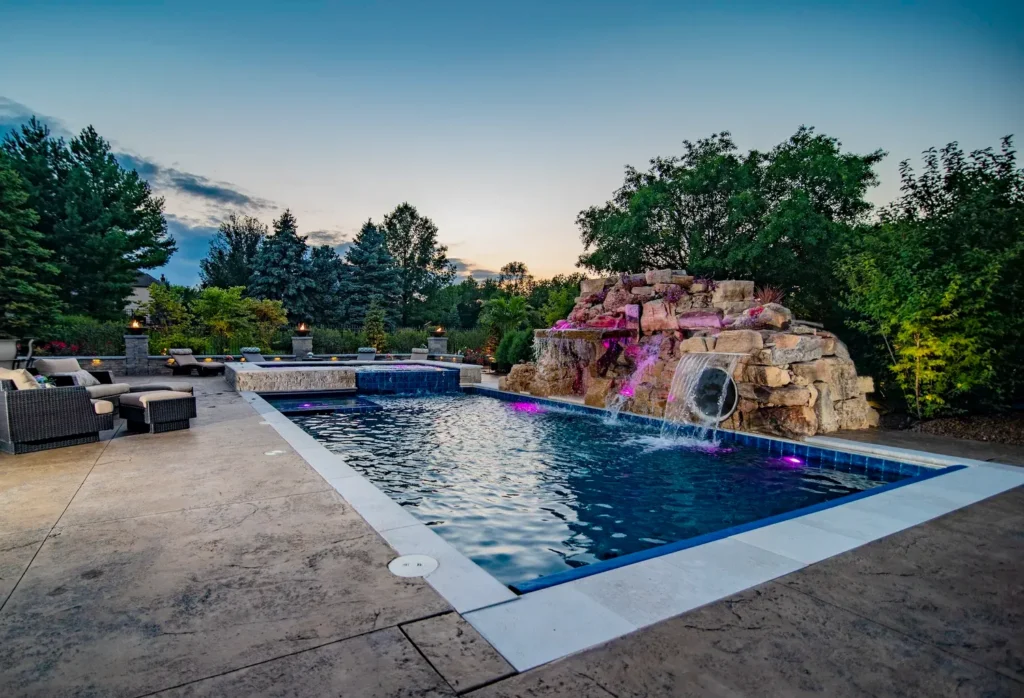
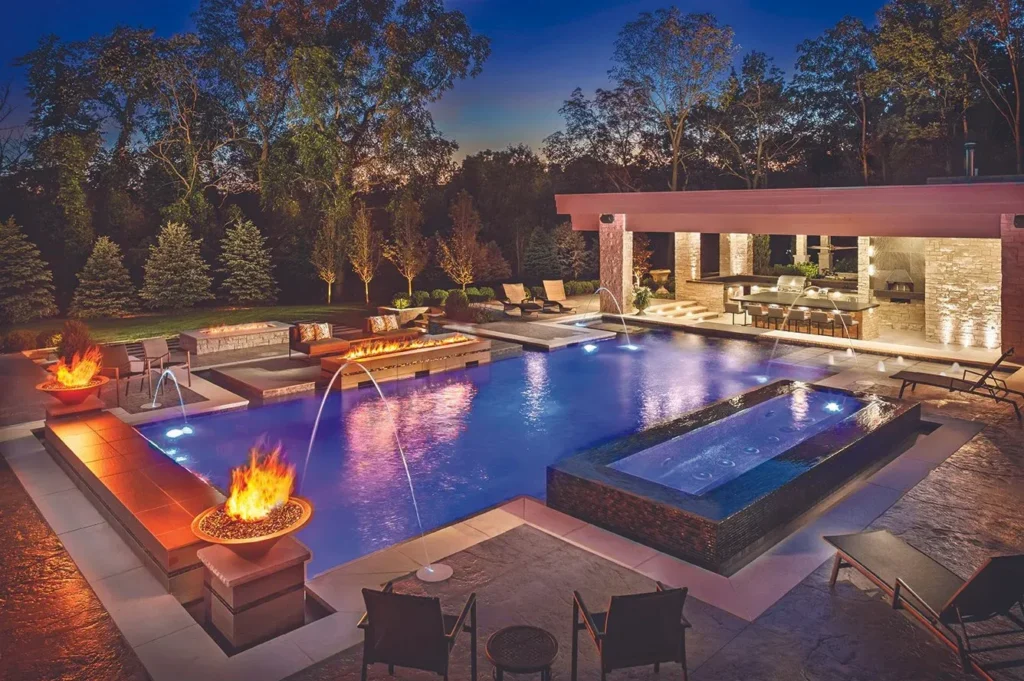
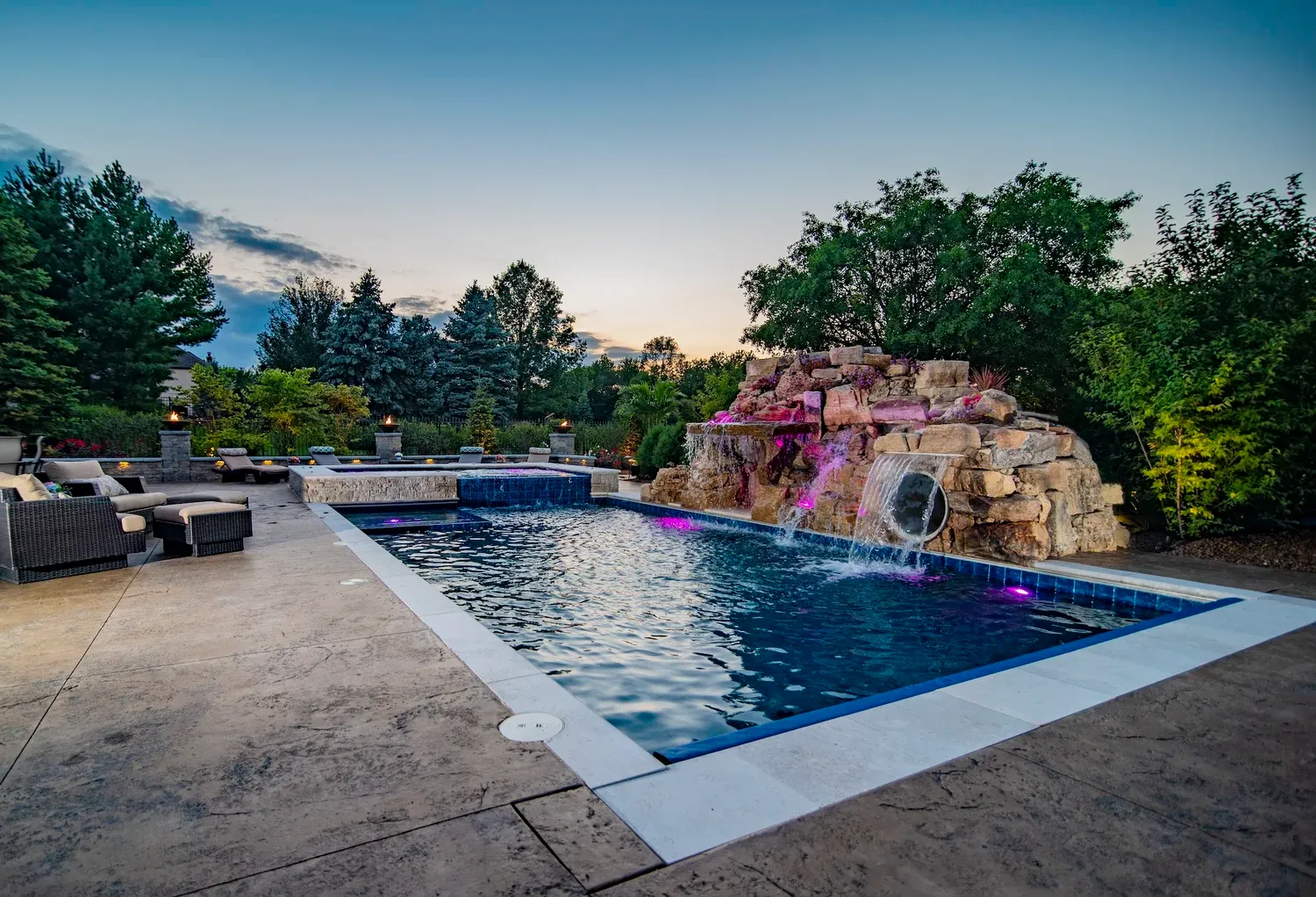
    Illuminated swimming pool with rock waterfall, hot tub, and patio furniture at twilight.

    Solar hybrid systems present an innovative approach to pool heating by combining solar energy with traditional heating methods. This combination allows homeowners to maximize the advantages of renewable energy while maintaining reliable heating whenever necessary, particularly during periods of less sunlight.

    The most attractive aspect of solar hybrid systems is their potential for significant long-term cost savings, as they reduce reliance on non-renewable energy sources. Florida’s abundant sunshine makes these systems particularly effective, often leading to minimal electricity costs once installed.

    How Do Solar Hybrid Systems Reduce Electricity Usage for Pool Heating?

    Solar hybrid systems harness solar energy through solar panels, converting sunlight into usable energy for heating pools. This process not only lowers electricity consumption significantly but also capitalizes on the natural climate of Florida, where sunlight is abundant.

    Additionally, these systems often come equipped with features that facilitate automated adjustments, optimizing heating requirements based on current weather conditions. This integration allows for consistent pool temperatures with minimal energy expenditure, making it an excellent choice for energy-conscious homeowners.

    What Makes Solar Hybrids Ideal for Sustainable Luxury Pools in Florida?

    The combination of sustainability and luxury is at the forefront of modern pool design. Solar hybrid systems appeal to environmentally-minded consumers who seek to lower their carbon footprint without compromising on performance or comfort.

    With enhanced aesthetics, the integration of solar panels can be harmoniously blended into pool landscapes. This luxury, coupled with operational efficiency, positions solar hybrids as an ideal choice for those aiming to create both beautiful and energy-efficient outdoor spaces.

    How Does Beyond Backyard Living Deliver Turnkey Luxury Pool Heating Solutions?

    Beyond Backyard Living specializes in providing comprehensive turnkey solutions for luxury pool heating. This includes the design, installation, and maintenance of advanced heating systems tailored to individual client needs. Their commitment to excellence integrates modern technology with personalized service, ensuring that every customer receives a unique experience.

    What Is Included in the 3D Design to Final Construction Process?

    The journey with Beyond Backyard Living begins with an initial consultation, where expert designers collaborate with clients to conceptualize their ideal pool setup. Following this, a detailed 3D design rendering is created, allowing clients to visualize their future oasis before any construction begins.

    Finally, a thorough final walkthrough ensures all elements are to the clients satisfaction, paving the way for an impressive and functionally efficient pool environment. This structured approach provides clarity and confidence throughout the installation journey.

    How Do Warranty and Maintenance Plans Enhance Pool Heating Investment?

    Understanding the value of investment, Beyond Backyard Living offers warranty and maintenance plans that enhance the longevity and performance of pool heating systems. These plans cover necessary repairs and upkeep, significantly prolonging the system’s life and ensuring optimal function year-round.

    Client feedback highlights peace of mind knowing their systems are protected against unforeseen issues. This commitment to customer service helps establish long-term relationships built on trust and reliability, integral for any luxury investment.
  • Custom Luxury Pool Enclosures in Florida: Panoramic ClearView Designs, Hurricane Engineering & Cost Insights

    Custom Luxury Pool Enclosures in Florida: Panoramic ClearView Designs, Hurricane Engineering & Cost Insights

    By Terrance Schabilion, Beyond Backyard Living – Custom Pool Builder Spring Hill FL

    Custom luxury pool enclosures have become essential for homeowners looking to elevate their outdoor living experience while ensuring safety and aesthetics. In Florida, where weather conditions can be unpredictable, features like panoramic ClearView designs are particularly sought after. These enclosures offer breathtaking views and protect from the elements, making outdoor spaces more enjoyable year-round. Homeowners often find it challenging to navigate the complexities of design, engineering, and cost considerations when investing in such enhancements. This article delves into the key features of panoramic ClearView pool enclosures, hurricane-rated engineering standards, and the complementary hardscape features that can further elevate your backyard. Learn more by checking out our pavers collection for your deck.

    What are the key features of Panoramic ClearView pool enclosures in Florida?

    Panoramic ClearView pool enclosures are defined by their sleek and unobstructed glass designs, which blend aesthetics with functionality. One of the main benefits is the enhanced view of the surrounding landscape while enjoying poolside relaxation. These enclosures are designed to maximize natural light and provide a seamless blend between indoor and outdoor spaces, elevating the overall luxury experience.

    Outdoor living spaces become more than just functional; they also gain value through these stylish enclosures. Homeowners often see increased property value as a direct result of investing in high-end outdoor living solutions. Additionally, these enclosures extend the usability of pool areas by offering protection from insects, debris, and variable weather, thus enhancing the overall outdoor living experience.

    How do panoramic designs enhance outdoor living aesthetics?

    Panoramic designs significantly enhance the aesthetics of outdoor living by providing expansive views and creating a focal point in the backyard. The large panels of glass allow for a seamless view of the landscape, integrating nature with the architectural elements of the home. This unobstructed view makes the enclosure itself an attractive addition, transforming how homeowners interact with their outdoor spaces. Furthermore, panoramic enclosures can be designed to complement the existing landscape, making them a harmonious part of the overall environment.

    Which premium materials are used in ClearView enclosures?

    Selecting premium materials for ClearView enclosures is crucial to ensure durability and aesthetics. Common materials include:

    MaterialQualityDurability
    Tempered glassHighExcellent resistance to breakage
    Aluminum framesHighLightweight yet strong
    Specialty coatingsHighEnhance longevity against weather

    These materials are designed to withstand Florida’s climate while providing aesthetic appeal and functionality. Homeowners benefit from materials that are not only functional but also contribute to the enclosure’s overall luxury design and longevity.

    Why is hurricane rated engineering essential for Florida pool enclosures?

    In Florida, where hurricanes are a frequent concern, having hurricane-rated engineering for pool enclosures is essential. These engineering specifications ensure that structures can withstand the extreme weather conditions typical of the region. For pool enclosures, hurricane ratings indicate compliance with safety standards, offering homeowners peace of mind during storm seasons. Integrating hurricane-resistant designs into your pool enclosure protects your investment and enhances safety for all users.

    What Florida building codes govern hurricane rated enclosures?

    Florida’s building codes play a significant role in governing the construction of hurricane-rated enclosures. Key regulations include:

    1. Impact resistance standards: Requiring materials to withstand flying debris.
    2. Wind load requirements: Enhanced structural integrity to endure high winds.
    3. Permitting processes: Ensures compliance through inspections and documentation.

    Understanding these codes is crucial for homeowners and contractors alike, ensuring construction adheres to safety protocols and protects against severe weather events.

    How do hurricane rated screens protect luxury pools from storms?

    Hurricane-rated screens are specifically designed to protect luxury pools from storm-related damage. These screens offer several protective benefits:

    1. Debris intrusion prevention: They block debris from entering the pool area, preventing contamination and damage.
    2. Pool integrity maintenance: The screens help maintain water levels and cleanliness during storms.
    3. Material resilience: Constructed from heavy-duty fabrics, these screens provide superior resistance against high winds and flying objects.

    Investing in hurricane-rated screens not only protects the pool and surrounding areas but also ensures that homeowners can enjoy their outdoor settings with confidence during storm season.

    Understanding how severe weather impacts coastal structures is essential for appreciating the rigorous engineering required for modern Florida pool enclosures.

    Hurricane Irma Structural Performance and Forensic Analysis in Florida

    Next, the second project consist on a forensic analysis made to Florida Keys after Hurricane Irma. Irma landed at Florida Keys as a category 4 storm. Two teams were deployed at Florida Keys to do a reconnaissance. The assessment was facilitated by using a mobile custom application named Fulcrum.

    Tornado and Hurricane Hazards: Reconnaissance, Structural Analysis and Vulnerability Modeling, 2013

    What custom luxury hardscape features complement pool enclosures in Florida?

    To further enhance the appeal and functionality of pool enclosures, various custom luxury hardscape features come into play. These features can seamlessly integrate into the outdoor space, adding both aesthetic value and usability.

    How do pergolas, waterfalls, and outdoor kitchens integrate with pool designs?

    Incorporating hardscape features like pergolas, waterfalls, and outdoor kitchens can transform a standard pool area into a luxurious oasis:

    • Pergolas: Provide shade and architectural interest, enhancing outdoor dining experiences.
    • Waterfalls: Create a tranquil atmosphere and add a serene sound element, improving the ambiance.
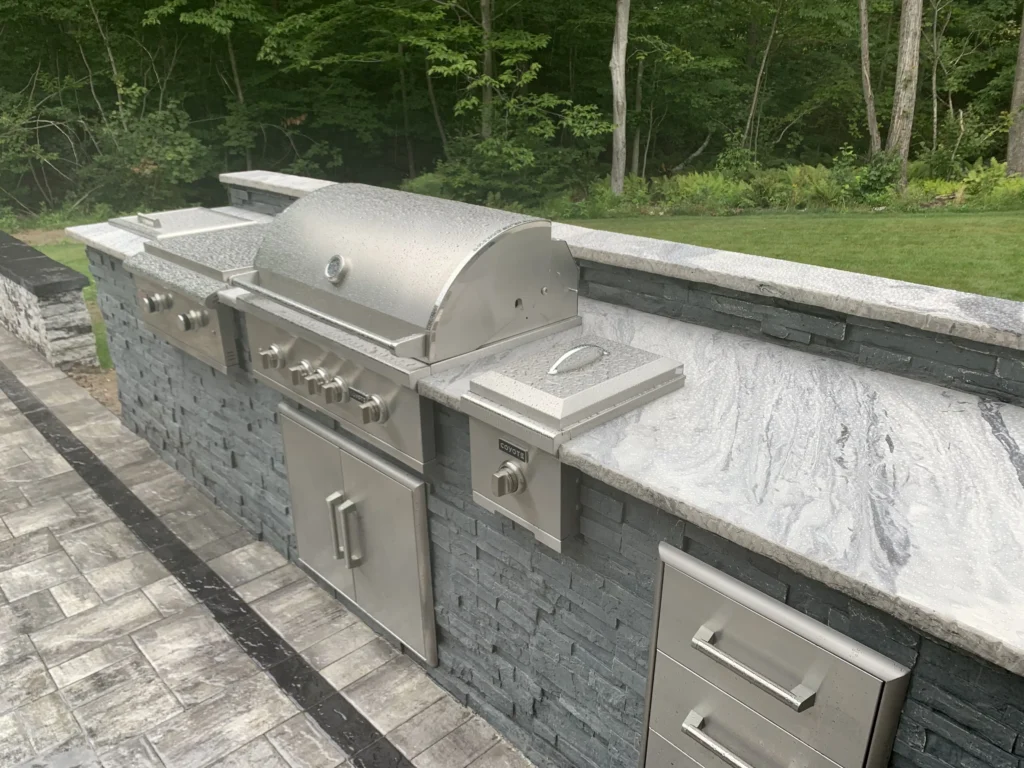
    • Outdoor kitchens: Facilitate entertaining and convenience, making it easy to host gatherings poolside.

    Each of these features not only complements the pool enclosure but also enriches the overall outdoor living experience.

    What trends define resort style backyard transformations?

    Several trends characterize resort-style backyard transformations, aligning with contemporary outdoor living desires:

    1. Sustainability: Utilizing eco-friendly materials and technologies to reduce environmental impact.
    2. Artisan craftsmanship: Emphasizing unique, handcrafted features that enhance personalization and character.
    3. Layered landscaping: Incorporating multiple levels and textures to create visual interest within the outdoor environment.

    These trends reflect a shift toward designing outdoor spaces that are not only functional but also visually stunning and environmentally responsible.

    How does the turnkey process from 3D design to construction work for custom pool enclosures?

    The turnkey process for custom pool enclosures streamlines the project from conception to completion, ensuring a cohesive approach. It typically involves several key stages:

    1. Initial consultation: Understanding homeowner needs and desires to ensure customized designs.
    2. 3D design modeling: Visualizing the project through advanced software, allowing for adjustments before construction begins.
    3. Construction and project management: Coordinating every aspect from start to finish, ensuring high standards and quality control.

    This comprehensive approach allows homeowners to feel confident that their vision will come to life, with expert guidance throughout the process.

    What are the benefits of 3D pool enclosure design services?

    3D pool enclosure design services offer invaluable benefits that enhance the overall project experience:

    1. Realistic previews: Provides homeowners with a clear visual representation of the final product.
    2. Flexibility in adjustments: Easier to make design changes before any physical work begins.
    3. Enhanced collaboration: Facilitates discussions between stakeholders to ensure all parties align on the vision.

    This technology significantly improves the design process, leading to better satisfaction for homeowners.

    How is project quality maintained from concept to build?

    Ensuring project quality from concept to completion involves several critical practices:

    1. Regular quality checks: Conducting inspections at various stages guarantees adherence to standards.
    2. Team collaboration: Encouraging communication between design and construction teams fosters a unified vision.
    3. Customer feedback integration: Involving clients throughout ensures their expectations are met and adjustments made proactively.

    Through these practices, quality is not only maintained but continuously improved, contributing to a successful project outcome. Be sure to look into paver pool decks and proper paver drainage to complete your project successfully.

  • Custom Swimming Pool Sun Shelves, Baja Shelves & Tanning Ledges in Florida: Optimal Depths, Coping Materials & In-Water Furniture Solutions

    Custom Swimming Pool Sun Shelves, Baja Shelves & Tanning Ledges in Florida: Optimal Depths, Coping Materials & In-Water Furniture Solutions

    By Terrance Schabilion, Beyond Backyard Living – Custom Pool Builder Spring Hill FL

    Custom swimming pools offer an array of features designed to enhance outdoor living spaces, with sun shelves, baja shelves, and tanning ledges becoming increasingly popular in Florida. These elements not only enhance the aesthetic appeal of a pool but also provide functional areas for relaxation and sunbathing. In this article, we will explore the optimal depths for these shelves, suitable coping materials, and effective in-water furniture solutions that cater to the unique requirements of Florida’s climate and lifestyle. Understanding each aspect will empower you to create a luxurious pool environment that combines comfort, safety, and style.

    Optimal Depths

    The optimal depths for custom swimming pool sun shelves, baja shelves, and tanning ledges are crucial for maximizing their utility and safety. Generally, sun shelves and baja shelves are designed to be shallow, typically ranging from 6 to 12 inches in depth. This ensures an inviting space for lounging while allowing for a comfortable water experience. A shallow depth helps maintain safety by reducing the risk of accidental submersion.

    Design considerations must also factor in user experience. For example, the depth should allow for easy entry and exit from the pool while accommodating various users, including children. A well-planned depth facilitates enjoyment without compromising safety.

    Suitable Coping Materials

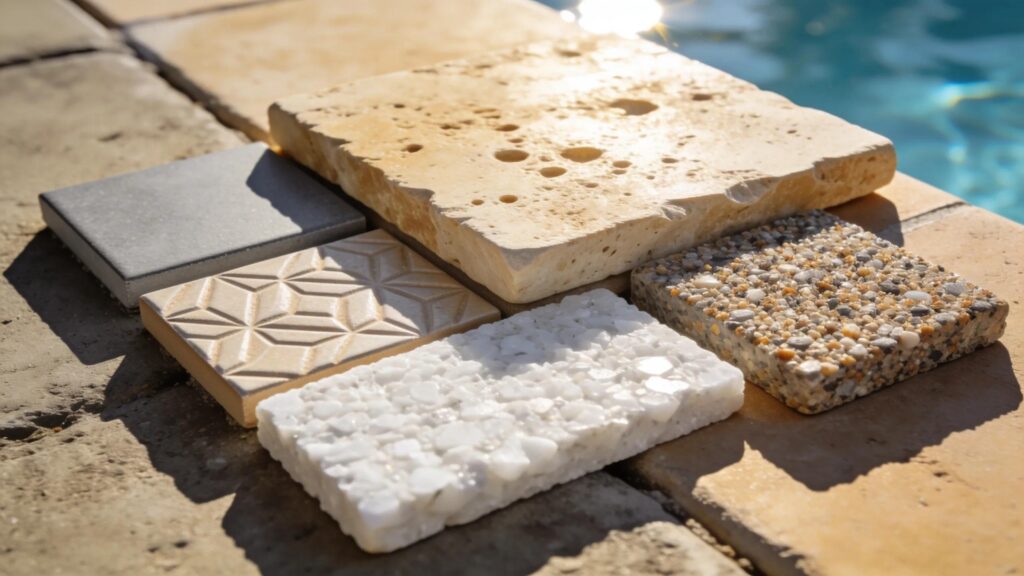
    Diverse pool coping materials: travertine, porcelain pavers, and quartz aggregate showcasing durability and aesthetics

    When selecting coping materials for luxury pools in Florida, several factors need consideration, including durability, aesthetics, and cost. The right materials enhance the visual appeal while standing up to Florida’s unique climate, which often includes humidity and intense sunlight. Here are some suitable materials for pool coping:

    • Natural Stone: Offers rustic charm and durability, making it a popular choice for upscale pool designs.
    • Concrete Pavers: Versatile and durable, concrete pavers allow for various design options while being cost-effective.
    • Aggregate Materials: Provide excellent skid resistance and can be customized to match the pool’s design.

    To further illustrate the benefits of various coping materials:

    Coping MaterialDurabilityAesthetic AppealCost Range
    Natural StoneHighHigh$$$
    Concrete PaversMediumHigh$$
    AggregateMediumMedium$

    Careful selection of coping materials not only enhances the pool’s overall aesthetic but also contributes to its longevity.

    Effective In-Water Furniture Solutions

    Homeowner using smartphone to control automated features of a luxury pool with fire bowls

    Integrating in-water furniture is essential for enhancing the usability of sun shelves and baja shelves in pools. Various types of in-water seating can transform these areas into luxurious lounging spots. Consider the following furniture options:

    • Adjustable Lounge Chairs: These provide comfort and can be partially submerged for better cooling.
    • In-Water Bar Stools: Ideal for entertaining, allowing guests to enjoy refreshments while relaxing in the pool.
    • Floating Sofas: These add a touch of luxury and are perfect for larger pools where space allows for flexibility.

    In-water furniture needs to be durable and resistant to fading in humid conditions, ensuring longevity while maximizing guest enjoyment. Selecting high-quality materials will allow these features to withstand Florida’s weather while providing comfort.

    Additional Considerations

    Design integration for custom pools requires careful planning to ensure aesthetics align with landscaping and overall functionality. The incorporation of unique features such as water features or outdoor kitchens can significantly enhance the pool area. Additionally, considering the functionality of the design is paramount. Elements like appropriate shading for sun shelves, paths for safe access, and surrounding landscaping will improve user experience.

    In summary, successful integration of sun shelves, baja shelves, and tanning ledges with thoughtful depth planning, sturdy coping materials, and luxurious in-water furniture can elevate a pool’s allure, making it a centerpiece for entertainment and relaxation in your outdoor living space. For those seeking expertise in creating bespoke pool designs, working with a knowledgeable contractor like Beyond Backyard Living Creations ensures that every element is optimized for beauty and functionality. For additional assurance, consider projects backed by a lifetime settlement warranty.

  • Naturi Sand Pools vs Traditional Gunite and Fiberglass Pools in Florida: Maintenance, Heat Resistance, and Lifetime Cost Comparison

    Naturi Sand Pools vs Traditional Gunite and Fiberglass Pools in Florida: Maintenance, Heat Resistance, and Lifetime Cost Comparison

    By Terrance Schabilion, Beyond Backyard Living – Custom Pool Builder Spring Hill FL

    Choosing the right type of pool for your home in Florida involves considering various factors, including maintenance requirements, heat resistance capabilities, and lifetime costs. Naturi Sand Pools, along with traditional Gunite and Fiberglass pools, offer unique characteristics that can greatly influence your decision. Understanding these differences is crucial for making an informed investment in your outdoor living space. This article takes a closer look at how these pool types stack up against each other, focusing on key aspects such as regular upkeep, resilience to Florida’s hot climate, and long-term financial implications.

    We will explore maintenance requirements for each pool type, discuss how Florida’s climate affects their performance, and break down the lifetime costs associated with owning each option. By the end, you’ll have a comprehensive understanding of which pool best suits your lifestyle and needs.

    Maintenance Requirements:

    The maintenance needs of a pool are paramount to ensure longevity and enjoyment. Each type of pool—Naturi Sand, Gunite, and Fiberglass—has distinctive maintenance requirements shaped by its construction and materials.

    Pool TypeMaintenance FrequencyKey Maintenance Tasks
    Naturi Sand PoolsLess frequentlySeasonal checks, occasional topping with sand
    Gunite PoolsMore frequentlyRegular acid washing, resurfacing every 7-10 years
    Fiberglass PoolsModeratelyCleaning debris, periodic resurfacing every 10-15 years

    Naturi Sand Pools require significantly less maintenance than traditional pools, primarily due to their innovative design that utilizes natural filtration systems. These pools leverage eco-friendly methods, resulting in a reduced reliance on chemicals and a lower maintenance burden on homeowners.

    How Does Natural Filtration in Naturi Sand Pools Reduce Maintenance Needs?

    Natural filtration systems in Naturi Sand Pools serve as a compelling advantage. By using sand as a primary filtering medium, these pools promote healthier water chemistry and reduce the frequency of chemical additive requirements. As a result, homeowners can enjoy clearer water with less effort and lower long-term maintenance costs, thereby simplifying the upkeep challenge often associated with other pool types.

    What Regular Care Do Gunite and Fiberglass Pools Require in Florida’s Climate?

    Gunite and Fiberglass pools, while popular options, come with more demanding maintenance routines. In Florida’s climate, Gunite pools require periodic acid washing to combat the effects of mineral build-up due to hard water, along with regular chemical treatment. Conversely, while Fiberglass pools are easier to maintain than Gunite varieties, they still necessitate regular cleaning to avoid algae growth and ensure optimal conditions for swimming.

    Heat Resistance Capabilities:

    Heat resistance is vital for maintaining pool water temperatures that contribute to a pleasant swimming experience, especially in warm regions like Florida.

    In harsh weather conditions, maintaining cooler temperatures can become challenging. Naturi Sand Pools, with their design, inherently provide better heat resistance than traditional Gunite and Fiberglass pools. This feature allows for a more comfortable swimming environment, minimizing the need for cooling measures.

    Why Are Naturi Sand Pools More Heat Resistant Than Gunite and Fiberglass Pools?

    The structure of Naturi Sand Pools naturally mitigates heat absorption due to its unique construction that incorporates blending sand and water filtration systems. This composition allows these pools to remain cooler even under the intense Florida sun, thereby increasing user comfort and reducing reliance on external cooling systems.

    What Is the Impact of Heat on Gunite and Fiberglass Pools’ Lifespan in Florida?

    For Gunite and Fiberglass pools, excessive heat can lead to accelerated wear and tear. Gunite pools may face issues such as cracking due to thermal expansion and contraction over time. Meanwhile, Fiberglass pools, although durable, can suffer discoloration and maintenance concerns due to prolonged exposure to high temperatures.

    What Are the Lifetime Cost Differences: Naturi Sand Pools Versus Gunite and Fiberglass Pools?

    Understanding the lifetime costs connected to each type of pool can significantly influence your choice. Factors to consider include installation costs, routine maintenance expenses, and potential repairs over time.

    Pool TypeInitial CostMaintenance Cost (Annual)Lifespan
    Naturi Sand PoolsModerateLower, due to reduced chemical use and upkeep25-30 years
    Gunite PoolsHighModerate to high, frequent servicing needed20-30 years
    Fiberglass PoolsModerateModerate, less than Gunite but more than Naturi25-30 years

    Naturi Sand Pools are economically advantageous over time, primarily due to their lower maintenance and long lifespan, making them a valuable investment. Given their natural filtration capabilities and heat resistance, they tend to incur fewer costs associated with upkeep compared to traditional Gunite and Fiberglass pools, which require more intensive maintenance and repair.

    How Do Maintenance and Repair Costs Influence Total Pool Ownership?

    The cost of owning a pool goes beyond initial installation. Maintenance and repair expenses can add up significantly over the years. In this comparison, Naturi Sand Pools’ lower maintenance needs translate to fewer financial burdens on the homeowner. This makes them appealing to those seeking both a luxurious outdoor experience and economic prudence.

    What Role Does Heat Resistance Play in Reducing Long-Term Pool Costs?

    A pool that maintains comfortable temperatures naturally limits the need for additional cooling expenses, a common occurrence with less heat-resistant pool types. By investing in a Naturi Sand Pool, you can enjoy the long-term savings associated with their heat resisting properties, reducing energy costs and extending the lifespan of the pool.

    How Do Luxury Custom Features Integrate with Naturi Sand Pools Compared to Traditional Pools?

    When it comes to enhancing outdoor spaces, custom features play a substantial role in the overall aesthetic and functionality of pools.

    Incorporating luxury elements in Naturi Sand Pools can be seamlessly executed thanks to their flexible design. Elements such as custom hardscapes, integrated fountains, and sophisticated lighting systems can be integrated into the pool design, enhancing not only usability but also the overall beauty of the space.

    What Custom Hardscape Elements Enhance Naturi Sand Pools in Florida’s Outdoor Living?

    Custom hardscape features like natural stone patios, elegant walkways, and themed landscaping can elevate the allure of Naturi Sand Pools. These features allow homeowners to create a cohesive outdoor environment that complements the pool while adding value. Such landscaping enhancements are particularly well-suited to the natural aesthetic of sand pools.

    How Does the Turnkey Design-Build Process Support Luxury Pool Construction?

    The turnkey design-build process ensures that every element of the pool and its surroundings is designed cohesively. By utilizing experts in custom pool design and installation, homeowners can achieve a luxurious outdoor living environment tailored to their specific needs, ultimately culminating in a stunning finished product that stands out in the Florida landscape.

    To ensure long-term durability and structural integrity around your custom features, incorporating a robust drainage system prevents water accumulation, while surrounding your outdoor leisure zones with professionally installed pool decks enhances safety and visual appeal.

  • Custom Attached Pergolas vs Freestanding Pavilions in Florida: Ledger Board Installation, Flashing Techniques & Hurricane Wind Engineering

    Custom Attached Pergolas vs Freestanding Pavilions in Florida: Ledger Board Installation, Flashing Techniques & Hurricane Wind Engineering

    Custom Attached Pergolas vs Freestanding Pavilions in Florida: Ledger Board Installation, Flashing Techniques & Hurricane Wind Engineering

    By Terrance Schabilion, Beyond Backyard Living – Custom Pool Builder Spring Hill FL

    Selecting the right outdoor structure for your backyard can significantly enhance your living space, especially in Florida where weather conditions and aesthetics play a crucial role. This article compares custom attached pergolas and freestanding pavilions, focusing on elements like ledger board installation, flashing techniques, and the essential engineering required to withstand hurricane conditions. By understanding the advantages of each structure type, homeowners can make informed decisions that reflect their style preferences while ensuring durability and safety. In a state known for its storms, the importance of sturdy construction methods cannot be overstated.

    We will discuss the key differences between these structures, the impact of ledger board installations, advantages of freestanding pavilions, flashing techniques, and applicable engineering standards in Florida.

    What are the key differences between attached pergolas and freestanding pavilions in Florida?

    Attached pergolas are structures that connect directly to an existing building, providing a seamless transition between indoor and outdoor areas. In contrast, freestanding pavilions are independent structures that can be placed anywhere on the property. The choice between these two options often hinges on several factors including design aesthetics, functionality, and climate considerations specific to Florida.

    Some notable differences include:

    • Design Flexibility: Pergolas can be customized to match the architectural style of the home, while pavilions offer a standalone aesthetic that can enhance landscaping.
    • Installation Complexity: Installing a pergola requires integrating it into the existing structure, often necessitating more intricate engineering than a freestanding pavilion that simply needs to be anchored securely.
    • Climatic Suitability: Florida’s humid climate necessitates structural designs that prioritize resistance to mold and decay, making materials and installation methods integral to the longevity of either structure.

    Beyond these functional differences, the context in which these structures are used can also impact choice. For comprehensive outdoor transformations, especially luxury designs by specialists like Beyond Backyard Living Creations, understanding how these elements integrate seamlessly with landscapes is pivotal.

    How does ledger board installation impact attached pergola stability?

    Display of marine-grade stainless steel and other materials for premium outdoor kitchen vent hoods

    Ledger board installation plays a vital role in the overall stability of attached pergolas. This crucial component connects the structure to the building, serving not only as a support for the pergola but also acting as a barrier against weather-related issues, such as rainwater intrusion.

    When properly installed, ledger boards provide enhanced structural support to handle wind loads, which is especially important in hurricane-prone Florida. The following key points illustrate their impact:

    • Structural Integrity: Correctly placed ledger boards distribute weight and stress evenly across the supporting wall, minimizing potential damage during severe weather conditions.
    • Moisture Protection: A well-flashed ledger board prevents water from seeping into the home’s structure, protecting against mold and structural degradation.
    • Installation Practices: Utilizing flashings, such as metal or rubber membranes, during installation further safeguards against moisture intrusion, a critical factor in Florida’s climate.

    ComponentImpact on StabilityRecommended Practices
    Ledger BoardDistributes load and provides supportProper placement and securing methods
    FlashingPrevents moisture intrusionUse high-quality, weather-resistant materials
    Anchor PointsSecures to building and withstands windFollow engineering standards for hurricane resilience

    Proper installation techniques significantly enhance the performance and durability of attached pergolas in Florida’s variable weather landscape.

    What hurricane-resistant benefits do freestanding pavilions offer in Tampa Bay?

    Luxurious backyard pool area with outdoor kitchen, spa, and fire features at dusk.

    Freestanding pavilions provide numerous hurricane-resistant benefits that are crucial for homeowners in regions prone to severe weather, such as Tampa Bay. These structures are designed to withstand high winds and heavy rains without being permanently attached to another building.

    Key advantages include:

    • Wind Resistance: Properly engineered freestanding pavilions are built to meet local building codes and can endure strong winds, using materials and construction methods that enhance their resilience.
    • Flexible Design: Without a connection to a primary structure, these pavilions can be constructed in a variety of shapes and sizes, allowing for customized designs that can withstand severe storm conditions.
    • Lower Maintenance: The materials and techniques employed in the construction of freestanding pavilions are often more robust, requiring less ongoing maintenance while providing long-term durability against elements like saltwater from coastal storms.

    How are ledger board flashing techniques applied to protect attached pergolas in Florida’s coastal environment?

    Flashing techniques are essential in protecting attached pergolas from moisture damage, particularly in Florida’s coastal environments. Proper flashing can prevent water from seeping into the house and the pergola’s timber, which can lead to rot and decay.

    The standard practices for applying flashing include:

    • Material Selection: Using resilient materials like aluminum or high-grade polymer flashings that resist corrosion and offer long-lasting protection.
    • Correct Installation: Flashings should extend beyond the ledger board to ensure runoff cannot infiltrate the attachment point.
    • Regular Maintenance: Inspecting and replacing flashing materials, when necessary, ensures ongoing protection against moisture accumulation.

    Why is proper flashing essential for ledger board installations on pergolas?

    Proper flashing is essential for maintaining structural integrity and preventing water infiltration in ledger board installations for pergolas. Without adequate flashing, moisture can compromise not only the pergola but also the home it’s attached to.

    The main purposes of flashing include:

    • Waterproofing: To effectively redirect water away from joints, thereby preventing leaks into underlying structures.
    • Structural Preservation: Flashing eliminates the risk of wood rot and insect damage, essential for longevity in Florida’s humid climate.
    • Safety Assurance: Regular inspection and maintenance of the flashing provide peace of mind that the structure remains secure, particularly during storm season.

    What materials and best practices ensure effective flashing for attached outdoor structures?

    Selecting the right materials and employing best practices for flashing installations are pivotal in protecting attached outdoor structures. The following guidelines provide a framework for ensuring effective installation:

    • Recommended Materials: Use high-quality flashing materials such as galvanized metal or polymer, which offer superior moisture resistance and durability.
    • Installation Techniques: Flashing should overlap correctly with shingles or other roofing materials to provide a continuous barrier against water infiltration.
    • Periodic Inspections: Regular checks for wear and adjustments to the flashing as needed can significantly extend the lifespan of outdoor structures in Florida.

    What wind engineering standards and hurricane ratings must outdoor structures meet in Florida?

    In Florida, outdoor structures like pergolas and pavilions are subject to strict wind engineering standards to enhance their resilience against hurricanes. These standards ensure safety and compliance with local building codes.

    Key considerations include:

    • Design Pressures: Structures must be engineered to withstand specific wind pressures based on their geographical location and height. For areas prone to hurricanes, structures should be rated for winds exceeding 150 mph.
    • Materials Compliance: All materials used in construction must meet hurricane-rated specifications to ensure structural stability.
    • Certification Requirements: Builders often need to provide documentation of compliance with the Florida Building Code, which includes rigorous testing standards for wind resistance.

    How does Florida Building Code regulate wind resistance for pergolas and pavilions?

    The Florida Building Code includes specific regulations aimed at enhancing wind resistance for outdoor structures. These codes are critical in safeguarding property and life during severe weather conditions.

    The code mandates:

    • Structural Design Systems: All outdoor structures must incorporate design systems that support wind loads adequately, utilizing fixtures and connectors rated for high winds.
    • Inspections and Permits: Builders must secure permits and undergo inspections to ensure compliance with these standards, promoting safety in construction.
    • Continuous Updates: The code is regularly updated to reflect the latest research and advancements in engineering practices related to hurricane resistance.

    What engineering techniques enhance hurricane resilience for attached and freestanding structures?

    Advanced engineering techniques play a crucial role in enhancing the hurricane resilience of both attached and freestanding structures.

    Such techniques include:

    • Reinforced Connections: Securing joints with upgraded hardware to withstand torsional loads during strong winds improves overall structural integrity.
    • Aerodynamic Design Principles: Designing structures with rounded edges and sloped roofs can minimize wind resistance and uplift potential during storms.
    • Material Innovations: Utilizing composite materials that resist rot and decay enhances durability against harsh weather elements.

    How do luxury pool and outdoor kitchen features integrate with pergolas and pavilions in turnkey Florida projects?

    Integrating luxury pool features and outdoor kitchens with pergolas and pavilions brings aesthetic appeal and functional enhancement to outdoor spaces in Florida. Effective design ensures that these structures complement one another, creating a cohesive outdoor living area.

    Key design aspects to consider include:

    • Architectural Compatibility: Ensuring the styles of the pool, kitchen, and outdoor structures harmonize creates a unified visual appeal that enhances the property’s value.
    • Functional Design: Positioning pergolas and pavilions strategically allows for shade and shelter, enhancing the usability of outdoor cooking and leisure spaces.
    • Overall Aesthetic Synergy: Selecting colors, materials, and design motifs that reflect a cohesive theme throughout the outdoor space promotes an inviting atmosphere.

    What design considerations link custom pools with pergola structures?

    Design considerations connecting custom pools and pergola structures encompass both aesthetics and functionality. Successfully combining these elements enhances the overall outdoor experience.

    Considerations include:

    • Visual Harmony: Aligning the color schemes and material choices between the pool and pergola creates a pleasing visual effect.
    • Functional Utility: Offering sun protection or rain coverage over pools and seating areas increases the usability of outdoor spaces year-round.
    • Safety Features: Incorporating safety measures, such as non-slip surfaces and proper railing, ensures a secure environment around pools and adjacent structures.

    Which outdoor kitchen features complement freestanding pavilions for upscale Florida homes?

    Freestanding pavilions, combined with well-designed outdoor kitchens, can enhance entertaining capabilities and outdoor enjoyment in upscale homes.

    Essential kitchen features include:

    • Built-in Grills: A high-quality grill ensures barbecue enthusiasts can enjoy cooking outdoors without interruption.
    • Refrigeration Units: Including refrigerators allows for easy food preparation and storage during gatherings, enhancing overall convenience.
    • Sink and Counter Space: Ample countertops and a sink streamline food prep and clean-up, making it easier to host larger groups.

    To ensure your overall outdoor space remains durable, utilizing pavers around your structures can provide long-lasting stability against the elements. Furthermore, incorporating proper paver drainage systems prevents water pooling near the foundation during heavy Florida downpours. Homeowners can also benefit from enrolling in an annual protection plan to keep their hardscapes looking pristine year after year.

    These elements work together seamlessly, contributing to the enjoyment of outdoor living spaces while ensuring that structures are equipped to handle Florida’s climate.

  • Naturi Beach Entry Sand Pools in Florida: Luxury Design, Quartz Finishes & Eco-Friendly Filtration Solutions

    Naturi Beach Entry Sand Pools in Florida: Luxury Design, Quartz Finishes & Eco-Friendly Filtration Solutions

    By Terrance Schabilion, Beyond Backyard Living – Custom Pool Builder Spring Hill FL

    Naturi Beach Entry Sand Pools represent the pinnacle of luxury outdoor living, melding aesthetic design with innovative ecological features. These pools are engineered to deliver both visual appeal and sustainable functionality, ensuring that the beauty of Florida’s landscapes is harmoniously integrated with the pools themselves. This article unpacks the essential elements of “Naturi Beach Entry Sand Pools”, including their unique design characteristics, premium quartz finishes, and eco-friendly filtration solutions. Many homeowners are looking for ways to enhance their outdoor spaces while minimizing environmental impact, and these pools offer a compelling solution. We will explore luxury design features, the benefits of quartz finishes, and cutting-edge eco-friendly filtration systems, highlighting how they contribute to a superior swimming experience in Florida.

    Luxury Design Features

    Luxury design features in Naturi Beach Entry Sand Pools elevate them beyond traditional pool options, integrating high-end aesthetics with superior functionality. Central to these designs is the notion of natural aesthetics, which emphasizes a seamless flow between the pool and surrounding landscape, creating an inviting, tranquil atmosphere. Homeowners can enjoy personalized pool characteristics that reflect their unique preferences and lifestyles, marking their outdoor space as a signature feature of their property. These attributes include not only the physical layout of the pool but also the handcrafted designs that showcase the artistry and craftsmanship involved in creating these luxurious swimming environments.

    Natural Aesthetics

    Natural aesthetics play a critical role in the design of beach entry sand pools. By utilizing local flora and “seamless landscape integration”, these pools enhance the overall beauty of outdoor settings. The use of natural stone and organic forms ensures that the pool complements its surroundings rather than contrasting with them. This approach not only promotes visual harmony but also creates a serene space for relaxation and recreation.

    Customizable Elements

    Customizable elements are a defining feature of luxury pool design. Homeowners can incorporate features such as waterfalls and grotto designs, allowing for a tailor-made swimming experience that reflects individual taste and preferences. These enhancements contribute to the luxurious feel of the pool, offering unique ways to enjoy and interact with water in an outdoorsy setting.

    Handcrafted Designs

    Handcrafted designs are central to the uniqueness of each Naturi Beach Entry Sand Pool. These pools are meticulously designed to match the specific characteristics of each property, ensuring that every pool is not just a body of water but a piece of art. The attention to detail allows these pools to stand out, providing not only functional benefits but also serving as a striking visual centerpiece in any outdoor area.

    Quartz Finishes

    Quartz finishes offer a premium choice for pool surfacing, marrying durability with elegance. This material provides a plethora of aesthetic and maintenance benefits, making it a favored option among discerning homeowners. With a variety of colors and textures available, quartz finishes enable homeowners to achieve the perfect look for their outdoor oasis, while its resilience ensures that the pool retains its beauty over the years.

    Premium Quartz Sand

    Premium quartz sand is known for its striking visual appeal and longevity, making it ideal for high-end sandy beach entry designs. The glimmering particles reflect sunlight beautifully, enhancing the allure of the pool area. Beyond aesthetics, this material provides excellent durability necessary for the demands of a vibrant pool environment. With proper maintenance, quartz finishes provide a surface that remains pristine and inviting for all users throughout its lifespan.

    Eco-Friendly Filtration Solutions

    Eco-friendly filtration solutions are vital in modern pool design, allowing for clean and safe swimming experiences while minimizing environmental impact. These systems utilize sustainable methods to maintain water quality, ensuring healthier swimming conditions without heavy reliance on harsh chemicals. By integrating advanced ecological practices, these pools reside at the forefront of sustainable outdoor living solutions.

    Eco-Conscious Design

    Eco-conscious design is integral to the development of beach entry sand pools. Features such as utilizing natural materials and supporting local ecosystems help reduce the ecological footprint. These practices not only promote a sustainable approach to pool design but also enhance the overall enjoyment of the natural surroundings.

    Sustainable Water Filtration

    Sustainable water filtration employs methods that significantly reduce the use of chemicals, promoting cleaner water and reducing the environmental burden. Biological filtration methods, for example, mimic natural processes to keep water clean while fostering a more balanced ecosystem within the pool. Transitioning to these ecological alternatives reflects a commitment to preserving natural resources and ensuring safety for both pool users and the environment.

    Understanding how advanced purification methods support ecological balance is essential for maintaining modern sustainable swimming environments.

    Pool Filtration Plant Water Purification and Recycling Methods

    The processes of sedimentation or sedimentation assisted by coagulation allow to reduce the TSS concentration below the limit value and leaving the washings to stand for up to several hours or subjecting them to a few minutes of aeration dec The reuse of washings from pool filtration plants after the use of simple purification processes, 2018

    Comfort and Feel

    The comfort and feel provided by eco-friendly solutions in beach entry pools cannot be overstated. Features such as sandy bottoms offer a gentle, natural swimming experience that is both enjoyable and relaxing. In addition, the careful selection of filtration processes enhances water quality, ensuring a pleasant experience for families and guests alike.

    Benefits and Unique Characteristics

    Naturi Beach Entry Sand Pools offer several distinctive benefits and unique characteristics that make them a compelling choice for homeowners in Florida’s Nature Coast region. The pools are designed for durability and low maintenance, ensuring that they remain beautiful and functional for many years. Their safe designs cater to users of all ages, while the customization potential allows homeowners to create a pool that perfectly suits their lifestyle.

    • Durable and Low Maintenance: Constructed to withstand the elements, these pools require less upkeep due to their high-quality materials.
    • Safe for Users and the Environment: Eco-friendly filtration and natural materials contribute to a safer swimming environment.
    • Highly Customizable: Homeowners can personalize various aspects of their pool, ensuring it aligns with their vision.

    What Defines Natural Pool Design in Florida’s Beach Entry Sand Pools?

    Natural pool design is defined by its commitment to creating a seamless connection with the surrounding environment. In Florida, the use of local landscapes, palm trees, and stones allows for an organic aesthetic that enhances the natural beauty of the region. Furthermore, considerations such as climate and weather patterns influence the materials and designs chosen to ensure longevity and appeal.

    How Spring Hill and Nature Coast Climate Influences Pool Design Choices

    The climate of Spring Hill and Florida’s Nature Coast profoundly impacts pool design choices. Homeowners must select durable materials that resist fading under strong sunlight and withstand high humidity levels. Additionally, eco-friendly adaptations become essential in ensuring pool systems efficiently manage the warm temperatures and abundant rain typical of the region, nurturing a beautiful and resilient outdoor lifestyle.

    How Do Eco Biological Pool Filtration Systems Enhance Water Quality?

    Eco Biological filtration systems enhance water quality by replicating natural filtration processes that are typically found in nature. By focusing on biological methods of purification, these systems keep pool water clean and safe without excessive chemical intervention. Users enjoy a fresher swimming experience while benefiting from reduced health risks associated with chemical exposure.

    What Are the Benefits and Characteristics of Luxury Quartz Finishes for Pools?

    Luxury quartz finishes contribute both functional and aesthetic benefits to Naturi Beach Entry Sand Pools. These finishes are renowned for their:

    • Visual Appeal: Offering a stunning look that enhances any poolscape.
    • Long-Lasting Quality: Quartz surfaces withstand the test of time, reducing the need for frequent repairs.
    • Low Maintenance Needs: The surfaces require minimal upkeep, allowing homeowners more leisure time.

    Which Custom Resort-Style Features Complement Beach Entry Pool Designs?

    Complementary resort-style features significantly enhance the allure of beach entry pool designs, creating an oasis-like experience in Florida homes. Popular elements include:

    1. Grottos and Waterfalls: These features provide a tranquil ambiance and visual interest.
    2. Pergolas and Outdoor Kitchens: Adding functionality and charm to outdoor spaces, creating a perfect spot for gatherings.
    3. Personalized Design Features: Allowing homeowners to include unique touches that amplify their pool’s character.

    Benefits of Custom Outdoor Kitchens and Hardscape Additions in Florida Homes

    The addition of custom outdoor kitchens and hardscape features alongside pools enhances the overall functionality and aesthetics of homes in Florida. These spaces allow for seamless entertaining and dining experiences, ensuring that outdoor living areas are as welcoming as their indoor counterparts. Importantly, thoughtful hardscape planning beautifies the landscape while providing practical uses for homeowners looking to maximize their outdoor enjoyment with a “paver pool deck”.

  • Outdoor Kitchen Ventilation & Range Hoods in Florida: Expert CFM Sizing, Ducting Solutions, and Covered Patio Ventilation

    Outdoor Kitchen Ventilation & Range Hoods in Florida: Expert CFM Sizing, Ducting Solutions, and Covered Patio Ventilation

    By Terrance Schabilion, Beyond Backyard Living – Custom Pool Builder Spring Hill FL

    Creating an outdoor kitchen in Florida offers a unique experience, blending culinary adventures with the beauty of nature. However, effective outdoor kitchen ventilation is crucial, especially given Florida’s warm, humid climate. Proper ventilation helps manage humidity, improves air quality, and enhances comfort for both chefs and guests. This article will explore the essential aspects of outdoor kitchen ventilation, focusing on CFM sizing for range hoods, effective ducting solutions, and considerations for covered patios. Understanding these elements ensures optimal airflow management and sets the stage for enjoyable outdoor cooking.

    What Are the Key Outdoor Kitchen Ventilation Requirements in Florida?

    In Florida, outdoor kitchens face specific ventilation challenges due to the state’s humid climate and varying temperatures. Adequate ventilation is vital to maintaining comfort and minimizing issues related to heat and moisture. Key requirements include humidity control, increased airflow, and effective pollutant removal to create a pleasant cooking environment.

    How Does Florida’s Climate Affect Outdoor Kitchen Ventilation Design?

    Florida’s climate is characterized by high humidity levels and fluctuating temperatures, greatly influencing the design of outdoor kitchen ventilation systems. During the summer months, the ambient temperature can soar, making it essential to implement effective ventilation that promotes airflow and reduces heat buildup. High humidity can also lead to condensation, making moisture management critical to protect cooking equipment and maintain comfort for users.

    What Safety and Comfort Standards Guide Vent Hood Installation?

    Installed vent hoods must adhere to specific safety and comfort standards to ensure optimal performance and user satisfaction. Compliance with local building codes is vital, covering aspects such as electrical components, gas connections, and vent configurations. Ensuring that range hoods exhaust outdoors prevents the accumulation of smoke, grease, and odors, promoting a safe and enjoyable cooking environment.

    How Do You Calculate CFM Sizing for BBQ Range Hoods in Spring Hill?

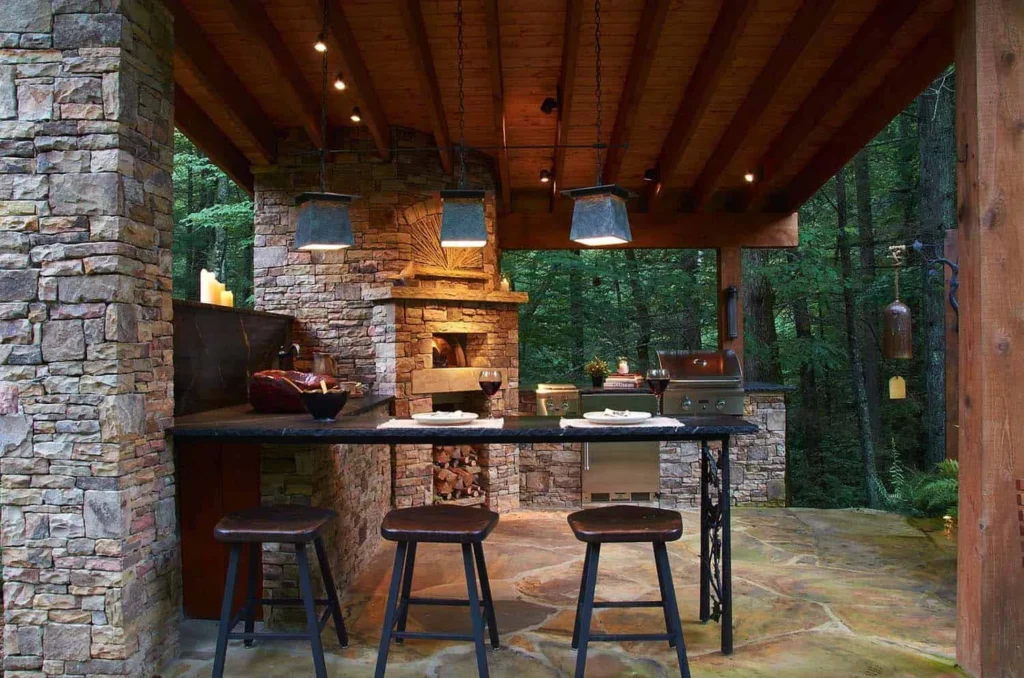
    Luxury outdoor kitchen showcasing a custom pizza oven integrated with elegant design and landscaping

    Choosing the right CFM (cubic feet per minute) rating for BBQ range hoods is essential for effective ventilation. Understanding airflow needs based on cooking habits, kitchen size, and the hood’s installation will guide homeowners in selecting suitable equipment tailored to their specific outdoor cooking environments.

    What Is the Formula for Accurate CFM Calculation for Outdoor Grilling?

    To determine the necessary CFM for an outdoor kitchen range hood, a simple formula is applied: multiply the cooking surface area by the desired air change rate. A common rule of thumb is to provide approximately 100 CFM for every 12 inches of cooking surface width. For instance, a 36-inch cooking surface would require approximately 300 CFM for adequate ventilation. This calculated airflow helps ensure that smoke and odors are effectively eliminated from the cooking area.

    Which Factors Influence CFM Needs for High-Performance Range Hoods?

    Several factors affect the CFM needs for high-performance range hoods. Key considerations include:

    FactorDescriptionImpact Level
    Kitchen SizeLarger kitchens necessitate higher CFM ratings to manage airflow effectively.High
    Cooking HabitsFrequent frying or grilling produces more smoke, requiring increased ventilation capacity.Medium
    Hood DesignThe style and design of the hood can affect how efficiently it captures and expels smoke.High

    Understanding how these factors play a role in CFM requirements helps homeowners choose appropriate range hoods to ensure optimal performance.

    What Are Effective Ducting Solutions for Outdoor Kitchens in Florida’s Humid Climate?

    Modern outdoor living space featuring large-format porcelain pavers with elegant dining setup in Florida

    Ducting solutions are key to ensuring that outdoor kitchens maintain proper ventilation while managing the humidity prevalent in Florida. Selecting suitable materials and layouts is essential for effective moisture control and maximizing airflow efficiency.

    Which Materials Resist Corrosion and Moisture in Florida Conditions?

    In Florida’s humid environment, selecting materials that resist corrosion and moisture is paramount. Ideal ducting materials include galvanized steel, stainless steel, or aluminum, which provide longevity and durability against weather-related challenges. Using marine-grade materials is also beneficial to withstand high moisture levels and prevent deterioration over time, ensuring a robust and efficient ventilation system.

    How Should Ducting Layouts Be Optimized for Covered Patios?

    Optimizing ducting layouts for covered patios ensures airflow efficiency while addressing potential obstacles. When designing ducting, consider the following best practices:

    1. Straight Paths: Keeping ducts as straight as possible minimizes airflow resistance and enhances overall efficiency.
    2. Proper Slope: Ensure that ducts have a slight downward slope to facilitate moisture drainage, preventing water buildup within the system.
    3. Clearance Guidelines: Maintain adequate clearance around ducts to avoid heat retention and ensure adequate air movement.

    Implementing these strategies enhances performance, providing effective ventilation for outdoor cooking spaces.

    What Ventilation Options Exist for Covered Patios in the Tampa Bay Area?

    Covered patios can benefit from various ventilation options to ensure air quality and comfort. Understanding these systems helps homeowners select appropriate solutions tailored to their outdoor environments.

    Can Outdoor Kitchen Vent Hoods Be Safely Installed Under Covered Patios?

    Yes, outdoor kitchen vent hoods can safely be installed under covered patios, provided that local safety regulations are followed. These installations require careful consideration of the vent hood’s position, ensuring that it effectively captures smoke and odors while maintaining proper clearance from combustible materials. Employing hoods designed specifically for outdoor use can significantly enhance safety and performance.

    What Systems Maximize Airflow While Preventing Moisture Intrusion?

    To optimize airflow while preventing moisture intrusion, consider advanced ventilation systems such as:

    1. Inline Fans: These can be installed within ducting systems to boost airflow efficiency while maintaining a low noise level.
    2. Heat Recovery Ventilators (HRVs): HRVs capture and utilize heat from exhaust air, maximizing energy efficiency and indoor comfort.
    3. Dehumidifiers: Integrating dehumidification technologies into the ventilation system can effectively manage humidity levels, ensuring comfort year-round.

    These innovative systems provide effective leakage protection and overall enhanced airflow management for outdoor kitchen settings.

  • Biodesign Pool Maintenance in Florida: Effective Algae Prevention, Eco-Friendly UV Sanitization & Comprehensive Winter Care

    Biodesign Pool Maintenance in Florida: Effective Algae Prevention, Eco-Friendly UV Sanitization & Comprehensive Winter Care

    By Terrance Schabilion, Custom Pool Builder Spring Hill FL

    Maintaining a luxurious biodesign pool in Florida necessitates a thorough understanding of various maintenance aspects, including algae prevention, UV sanitization, and seasonal care. With Florida’s unique climate, pools face specific challenges, primarily due to algae growth, which can affect water quality and aesthetics. This article provides insights into effective methods for algae prevention and discusses how eco-friendly UV sanitization can enhance pool water quality. Furthermore, we explore essential winter care practices that protect luxury pools during cooler months. You’ll learn how these strategies not only keep your pool pristine but also align with environmentally friendly practices. Let’s dive into the proven methods to ensure your biodesign pool remains a stunning centerpiece of your backyard oasis.

    What Are Proven Algae Prevention Methods for Natural Pools in Florida?

    Illuminated swimming pool with rock waterfall, hot tub, and patio furniture at twilight.

    Preventing algae growth in natural pools is crucial for maintaining water clarity, quality, and aesthetic appeal. Effective algae control involves understanding local conditions and employing methods that support the pool’s ecosystem while deterring unwanted growth. Successful strategies typically integrate ecological approaches and regular maintenance routines that adjust to seasonal changes in Florida’s weather. This dual-focus strategy helps maintain a balanced aquatic environment that minimizes the risk of algae proliferation.

    How Does Natural Sand Filtration Help Control Algae Growth?

    Natural sand filtration is an eco-friendly method that boosts the pool’s natural ecosystem by mimicking natural processes. This system effectively filters water, trapping debris and contaminants while allowing beneficial microorganisms to thrive. These microorganisms help maintain the pool’s ecological balance by outcompeting algal blooms for nutrients and light. Additionally, natural sand filtration systems are known for “their cost efficiency” and ecological benefits, leading to improved water clarity without the harsh chemicals often associated with traditional filtration methods.

    Which Organic and Eco-Friendly Algae Inhibitors Work Best in Florida’s Climate?

    Several organic and eco-friendly algae inhibitors are particularly effective in Florida’s warm climate, where algae thrive. Here are some top recommendations for controlling algae growth naturally:

    Algae InhibitorEffectivenessUser Considerations
    Barley StrawHighRegular applications throughout the season can be beneficial.
    Copper-based AlgaecidesModerateShould be used cautiously; follow guidelines for application.
    Beneficial BacteriaHighExcellent for establishing a healthy microbial balance in the pool.

    These options provide a sustainable approach to algae management, promoting a healthy aquatic environment while minimizing chemical usage in luxury biodesign pools.

    How Does Eco-Friendly UV Sanitization Enhance Natural Pool Water Quality?

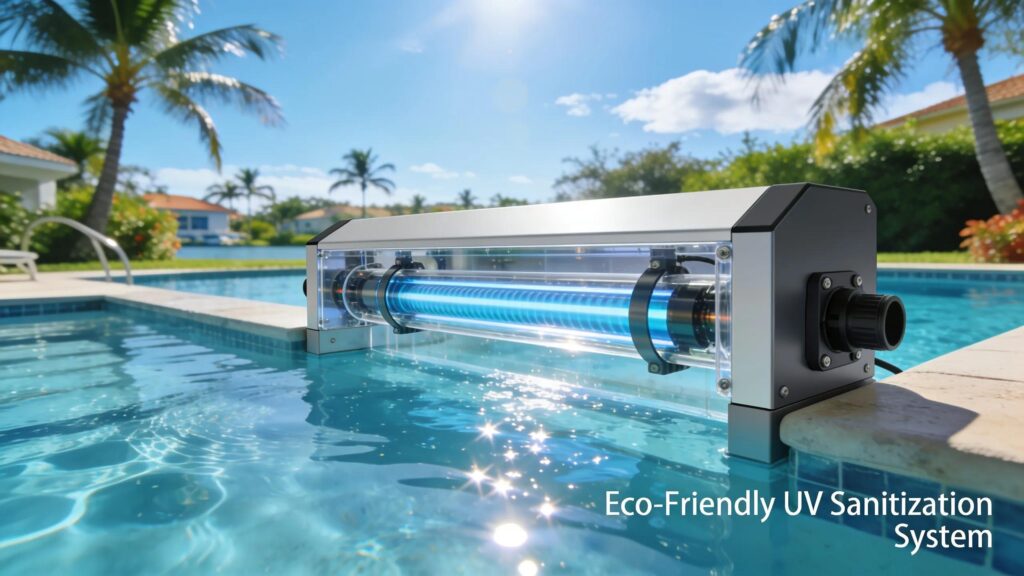
    Eco-friendly UV sanitization unit installed in a biodesign pool ensuring clear and safe water

    Eco-friendly UV sanitization is a modern approach to pool maintenance that significantly improves water quality while reducing dependence on harsh chemicals. This method involves using UV light to neutralize bacteria, viruses, and algae without altering the pool’s chemical balance. The result is clearer, safer water for swimming. UV systems are increasingly popular in luxury pool designs, ensuring not just cleanliness but also environmental sustainability.

    What Are the Benefits of UV Sanitizers Compared to Conventional Treatments?

    UV sanitization offers several advantages over traditional chemical treatments, making it a preferred choice for many pool owners:

    1. Reduced Chemical Usage: By utilizing UV light, pools require fewer chemicals, contributing to a healthier swimming environment.
    2. Improved Water Clarity: UV sanitization effectively eliminates bacteria and microorganisms, ensuring crystal clear water.
    3. Environmental Benefits: This method significantly reduces the ecological footprint of pool maintenance by minimizing chemical runoff.

    These benefits highlight the importance of adopting UV sanitization in luxury biodesign pools, which aligns with modern sustainability practices.

    How Often Should UV Sanitization Systems Be Maintained in Luxury Biodesign Pools?

    Maintenance of UV sanitization systems is pivotal to ensure ongoing effectiveness. Routine checks and balances are essential, with recommendations typically suggesting inspections every three to six months. Regularly replacing UV lamps is crucial—many systems require lamp changes annually, depending on usage and environmental factors. Adjusting maintenance schedules based on the pool’s seasonal use can further enhance efficiency and overall water quality.

    Which Seasonal Winter Care Practices Protect Luxury Biodesign Pools in Florida?

    Maintaining a biodesign pool in winter requires specific care to protect both the pool and its surrounding features. Florida’s milder winters can pose unique challenges, including water quality maintenance and preventing debris accumulation. Essential winter care practices ensure that pools remain in ideal condition, ready for use as temperatures rise.

    What Are Essential Winterizing Steps for Natural Sand Filter Pools?

    Winterizing steps for natural sand filter pools include:

    1. Proper Balancing of Water Chemistry: Ensuring optimal pH and alkalinity levels is critical before the winter months.
    2. Equipment Protection: Covering filtration systems and equipment from freezing temperatures is necessary to prevent damage.
    3. Covering Pools: Using a quality pool cover helps keep debris out while maintaining the water’s chemistry.

    These steps form the foundation for a successful winter care routine that protects both aesthetics and functionality.

    How to Sustain Pool Ecosystem Health During Florida’s Cooler Months?

    Maintaining ecosystem health in cooler months involves regular water quality checks, managing debris, and ensuring balanced chemical levels. Here are key strategies: waterfalls

    • Regular Water Quality Checks: Routine testing ensures that chemical levels remain stable.
    • Debris Management Practices: Cleaning the pool frequently prevents organic decay that feeds algae.
    • Chemical Balance Maintenance Tips: Adjusting chemicals as needed during cooler months is essential for sustaining water quality.

    Implementing these measures during Florida’s winter months ensures that your luxury biodesign pool remains vibrant and inviting.

    How Are Custom Resort-Style Features Integrated into Biodesign Pool Maintenance?

    The integration of custom resort-style features such as waterfalls, grottos, and outdoor kitchens not only enhances the aesthetic appeal of biodesign pools but also presents unique maintenance considerations. These features often require specialized care and detailing to keep them in optimal condition.

    What Maintenance Considerations Apply to Waterfalls, Grottos, and Pergolas?

    Maintenance for unique design features includes:

    • Cleaning and Upkeep Strategies: Regular cleaning is necessary to prevent buildup of algae and debris on surfaces.
    • Water Flow Maintenance: Ensuring that water flows correctly is important for both functionality and aesthetics.
    • Seasonal Care Needs: Adjusting care routines based on seasonal impacts to maintain these features effectively.

    Incorporating these considerations supports the longevity and beauty of custom designs in your “pool area”.

    How Do Outdoor Kitchens and Hardscape Designs Affect Pool Care Routines?

    Integrating outdoor kitchens and hardscapes into pool designs can significantly impact overall pool care routines. Factors include:

    • Interaction Between Pool and Outdoor Areas: Cooking and dining areas can introduce organic debris into the pool.
    • Materials Selection for Durability: Choosing appropriate materials helps minimize maintenance issues while maintaining a cohesive look.
    • Regular Cleaning Protocols: Ensuring both the kitchen and pool area are cleaned together prevents cross-contamination of debris and protects water quality.

    Creating seamless harmony between pool and outdoor living spaces demands “thoughtful maintenance practices” to ensure both remain in prime condition.

  • Custom Cedar vs Architectural Aluminum Pergolas in Florida: Wind Resistance, Rot Prevention & Longevity Guide

    Custom Cedar vs Architectural Aluminum Pergolas in Florida: Wind Resistance, Rot Prevention & Longevity Guide

    By Terrance Schabilion, Beyond Backyard Living – Custom Pool Builder Spring Hill FL

    Choosing the right pergola for your outdoor space in Florida involves several critical components, particularly considering the local climate. Custom cedar and architectural aluminum pergolas each offer unique benefits and limitations regarding wind resistance, rot prevention, and longevity. As Florida is known for its severe weather, including high winds and humidity, understanding these qualities ensures a sound investment for your backyard oasis. This guide will explore these materials in-depth, providing homeowners with the information to make an informed decision. We’ll delve into categories such as wind resistance, rot prevention strategies, longevity expectations, and the advantages and disadvantages of both materials.

    Comprehensive Guide: Custom Cedar vs. Architectural Aluminum Pergolas in Florida

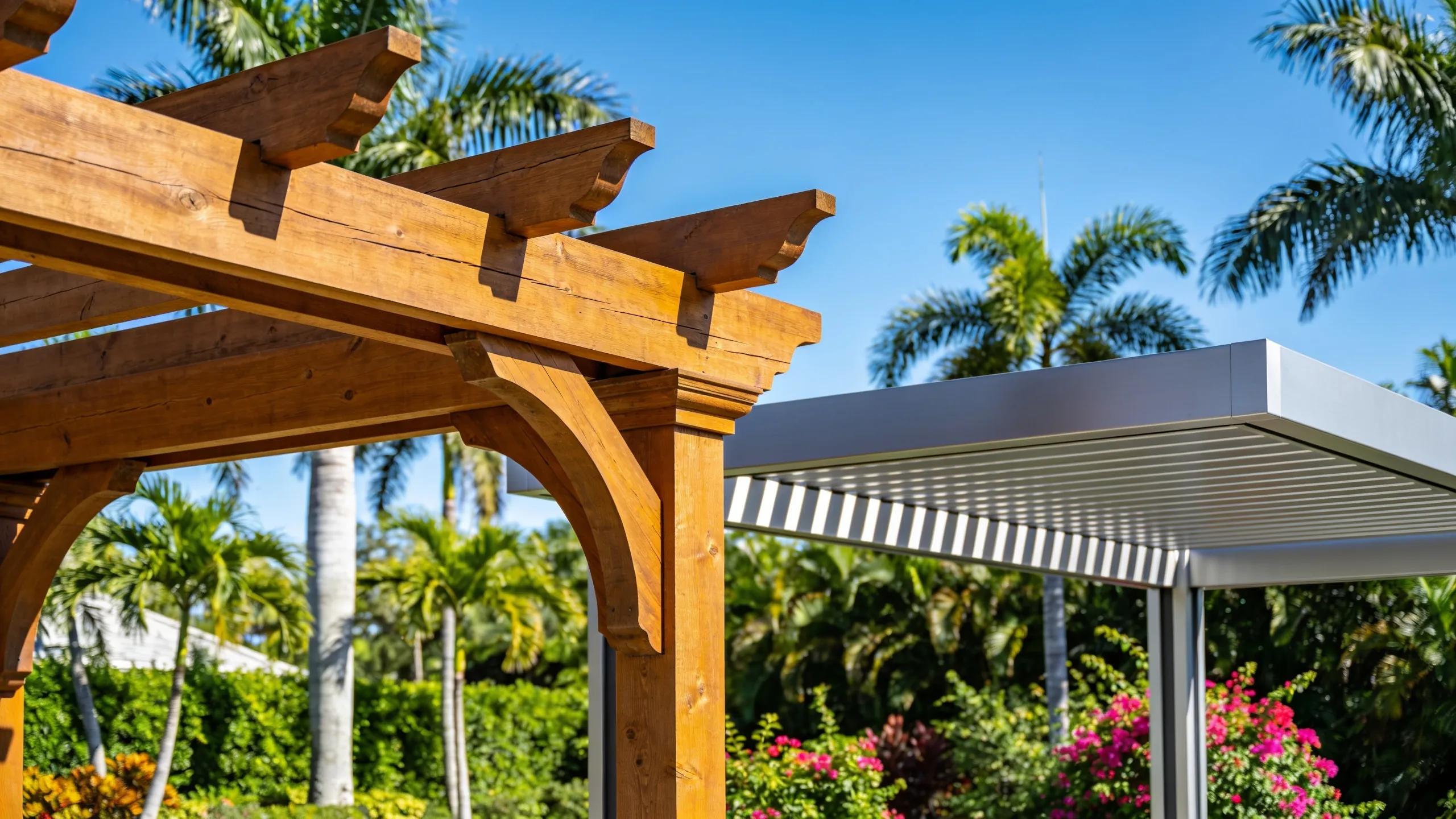
    Custom cedar and architectural aluminum pergolas serve as appealing outdoor structures, yet they differ significantly in composition and resilience to Florida’s unique environmental challenges. Custom cedar pergolas are crafted from high-quality wood, showcasing natural beauty and aesthetics that harmonize with outdoor greenery. Cedar is valued for its resistance to warping and decay when maintained properly. Conversely, architectural aluminum pergolas offer a modern aesthetic, enhanced durability, and minimal maintenance needs, making them ideal for many Florida homeowners.

    Wind Resistance

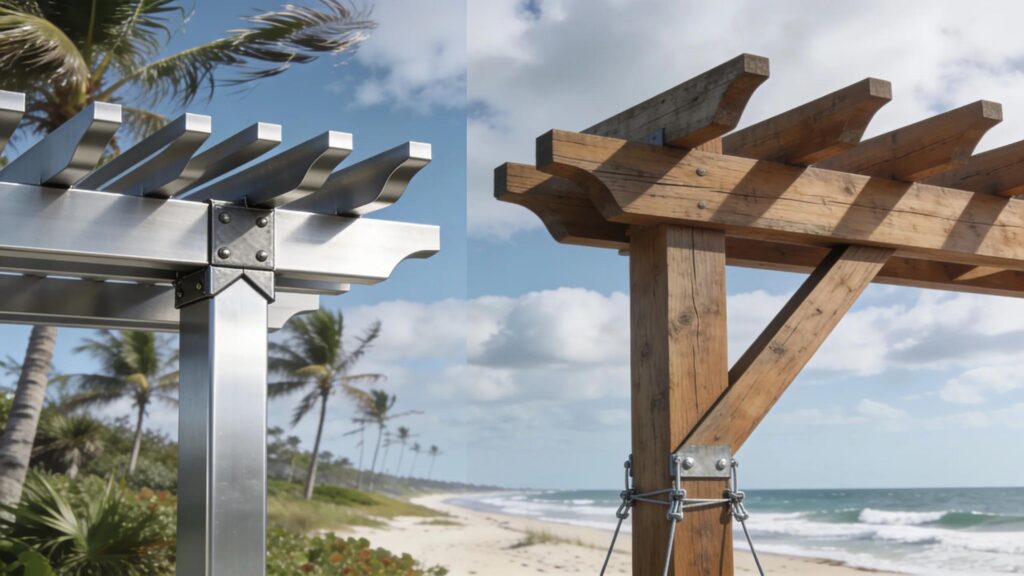
    Structural comparison of aluminum pergolas for wind resistance vs. cedar pergolas

    Wind resistance is crucial for outdoor structures in hurricane-prone Florida. Architectural aluminum pergolas have the advantage thanks to their lightweight and robust design, which effectively withstands strong winds. The aluminum framework is engineered for durability, ensuring that it maintains structural integrity during severe weather conditions. In comparison, cedar pergolas may require additional reinforcements to meet building codes for wind resilience, as they can be more susceptible to damage in extreme wind events.

    Rot Prevention

    In Florida’s humid climate, rot prevention is a key consideration in choosing pergola materials. Aluminum’s inherent properties make it impervious to moisture, eliminating the risk of rot. It doesn’t require the treatment that cedar does to resist decay, making aluminum an appealing choice for homeowners seeking longevity. Cedar, however, naturally contains oils that enhance its resistance to rot. Proper maintenance, including regular sealing and staining, can significantly extend the life of a cedar pergola, though attention is necessary to counter moisture-related issues effectively.

    Understanding how moisture impacts wood over time highlights why proactive care is essential for outdoor timber structures in damp climates.

    Rot Prevention and Wood Maintenance in Humid Climates

    The maintenance of wooden structures in traditional houses located in humid environments poses significant challenges due to the high risk of damage caused by moisture, fungal growth, and termite infestation. Qualitative study of maintenance of wooden structures of traditional houses in damp environments, 2025

    Longevity

    The longevity of both custom cedar and architectural aluminum pergolas varies significantly. Properly maintained cedar pergolas can last upwards of 15-30 years, but longevity can be compromised without regular care. In contrast, architectural aluminum pergolas can last 40 years or longer with minimal upkeep. The long lifespan, coupled with resistance to rot and pests, makes aluminum an attractive choice for homeowners looking for a long-term investment.

    Advantages and Disadvantages

    When deciding between cedar and aluminum pergolas, it’s vital to consider their respective advantages and disadvantages. This comparison can aid homeowners in selecting the best fit for their needs.

    Aluminum Pergolas

    1. Durability: Aluminum is highly resistant to weathering, meaning it can maintain its appearance even under extreme conditions.
    2. Low Maintenance: Aluminum requires far less maintenance than wood, saving homeowners time and effort over the years.
    3. Versatility: Available in various colors and finishes, aluminum can match any home’s aesthetic seamlessly.

    Cedar Pergolas

    1. Natural Aesthetics: Cedar offers a warm, natural look that many homeowners find appealing for enhancing outdoor spaces.
    2. Customizability: Cedar can be shaped and designed in various ways to meet specific design requirements or preferences.
    3. Environmental Impact: For those concerned about sustainability, cedar wood is a renewable resource when sourced responsibly.

    When deciding between cedar and aluminum for your pergola, it’s essential to weigh each material’s strengths and weaknesses against your specific needs and environmental conditions. Custom cedar pergolas can offer unparalleled natural beauty, while architectural aluminum pergolas excel in durability and maintenance. Understanding the mechanics of wind resistance, rot prevention capabilities, and longevity will guide you in choosing the perfect structure for your outdoor area. To ensure a solid foundation for your outdoor living space, incorporating a settlement warranty can provide peace of mind. For personalized design consultations and insights tailored to the Florida climate, Beyond Backyard Living Creations is a premier choice to consider for your custom pergola project.

  • Porcelain Pavers vs Travertine for Florida Pool Decks: Heat Absorption, Durability & Slip Resistance

    Porcelain Pavers vs Travertine for Florida Pool Decks: Heat Absorption, Durability & Slip Resistance

    By Terrance Schabilion, Custom Pool Builder Spring Hill FL

    When considering materials for pool decks in Florida, the choice between porcelain pavers and travertine is crucial. Each material presents unique characteristics that influence not only aesthetic appeal but also functionality, especially in terms of heat absorption, durability, and slip resistance. This article explores the comparative performance of porcelain pavers and travertine to help homeowners make informed decisions for their poolside areas. Understanding these differences is vital, as Florida’s climate and lifestyle demand materials that can withstand heat, humidity, and frequent use. We will discuss key aspects of both materials, including how they absorb heat, their long-term durability, and safety features regarding slip resistance. By the end, you will have a thorough understanding of which option may be more suitable for your specific needs.

    Comparison of Porcelain Pavers and Travertine for Florida Pool Decks

    Choosing between porcelain pavers and travertine for pool decks involves examining various performance characteristics. Each material has distinct advantages and disadvantages that can affect comfort and safety. Porcelain pavers are manufactured from high-density clay and fired at high temperatures, resulting in low porosity and less heat absorption compared to travertine. In contrast, travertine is a naturally occurring stone known for its unique texture and aesthetic, often favored for its rustic appearance but may retain more heat under direct sunlight. Additionally, the maintenance requirements differ significantly; porcelain tends to require less effort due to its surface finish, whereas travertine can be more susceptible to staining and requires sealing. Ultimately, the choice impacts both aesthetics and practicality for Florida’s outdoor living.

    Heat Absorption Properties:

    Heat absorption is a critical factor when selecting materials for pool decks. Porcelain pavers generally have lower heat retention compared to travertine, making them a more comfortable choice for bare feet. With porcelain’s denser composition, it tends to stay cooler even under the blazing Florida sun. On the other hand, travertine, while having a natural coolness, can still absorb heat more than porcelain and may get warm during peak daylight hours. This factor becomes vital for families and individuals who spend extended time around their pools. Opting for porcelain can enhance comfort and satisfaction throughout the hot summer months.

    Durability:

    Durability is paramount when considering outdoor materials. Porcelain pavers are known for their longevity and resilience against scratches, fading, and stains caused by everyday poolside activities. This durability is particularly beneficial in Florida’s humid and salty coastal environment, where materials are prone to wear. Travertine, while durable, is more porous and can be affected by harsh weather and chemicals used in pool maintenance. This characteristic necessitates more frequent upkeep, which can impact long-term costs. By choosing porcelain, homeowners can enjoy a hardscape that withstands the test of time and reduces maintenance burdens, making it a worthy investment for luxury custom pool decks.

    What are the heat absorption differences between porcelain and travertine pool deck materials?

    Luxurious backyard pool area with outdoor kitchen, spa, and fire features at dusk.

    When examining how materials perform in terms of heat absorption, it’s crucial to look at scientific data that evaluates their properties. Research indicates that porcelain pavers consistently exhibit lower heat retention rates than travertine. This crucial distinction enhances user comfort significantly, particularly in a sunny state like Florida where outdoor spaces see heavy usage throughout the year. Understanding these variations can guide buyers toward making the best choice based on anticipated usage and climate conditions.

    How does heat resistance affect poolside comfort and safety?

    Heat resistance plays an integral role in overall poolside comfort and safety. Materials that absorb excessive heat can create challenging walking conditions for bare feet, heightening the risk of burns and discomfort. Porcelain’s resistance to heat absorption leads to a safer poolside experience, particularly for families with kids. Conversely, travertine, while aesthetically pleasing and naturally occurring, can transform into an uncomfortable surface under high heat, underscoring the need for thoughtful selection of paving materials for outdoor areas.

    What scientific data supports porcelain’s and travertine’s heat absorption rates?

    Scientific studies on materials indicate that porcelain’s lower absorption rates are primarily due to its manufacturing process, which locks moisture out. Research findings reveal that porcelain paving can maintain surface temperatures approximately 20% cooler compared to travertine under the same environmental conditions. This significant difference can dramatically influence the enjoyment and usability of outdoor spaces, making porcelain a preferred choice for those seeking an elegantly designed, comfortably cool poolside area.

    How does durability compare between porcelain pavers and travertine in Florida’s outdoor conditions?

    In Florida’s outdoor conditions, durability is a key consideration when comparing porcelain pavers and travertine. Porcelain outperforms travertine in longevity, largely due to its resistance to water absorption and stains. This quality enables porcelain to maintain its appearance and structural integrity over time, reducing replacement frequency. Travertine requires regular sealing to protect its surface, making it more susceptible to damage. Homeowners must weigh these durability differences carefully to align their choice with their maintenance preferences and long-term investment goals.

    What maintenance requirements do travertine and porcelain demand in humid, salty environments?

    In humid and salty climates, maintenance is crucial to uphold the aesthetics and functionality of pool decking materials. Porcelain requires minimal maintenance—occasional cleaning with mild detergents suffices to keep its surface looking new. In contrast, travertine necessitates more extensive upkeep; it typically requires sealing every one to three years, depending on exposure and wear. This additional effort can detract from the benefits of using natural stone, making porcelain a more convenient option for homeowners seeking ease of care without sacrificing beauty.

    Why is porcelain preferred for luxury custom pool decks regarding long-term durability?

    Porcelain is increasingly recognized for its suitability in luxury custom pool decks due to its exceptional durability. Homeowners appreciate that, with less maintenance and longer lifespans, porcelain enhances the value of luxury constructions. Its ability to withstand the effects of weather without losing its color or surface integrity makes it a favorite among designers and property owners. This trend aligns with the growing demand for materials that offer both functionality and style in high-end outdoor spaces.

    What are the slip resistance characteristics of porcelain versus travertine pool decking?

    Slip resistance is a pivotal factor in ensuring safety around pool areas. Porcelain pavers often feature textured surfaces that enhance grip, particularly when wet. Comparatively, travertine’s natural texture can provide adequate slip resistance; however, it can become slippery when algae or water collects on its surface. Evaluating these characteristics is essential for homeowners who prioritize safety and comfort, creating environments where families can enjoy their outdoor spaces worry-free.

    How do ASTM slip resistance ratings guide material choices for wet pool areas?

    ASTM (American Society for Testing and Materials) ratings are vital in guiding material choices for slip resistance in wet areas. These standardized tests measure the coefficient of friction—lower ratings indicate a higher risk of slipping. Porcelain pavers typically exhibit higher ASTM ratings than travertine, suggesting they are safer options for pool decks. Homeowners should refer to these ratings when selecting materials to ensure they choose surfaces that meet safety standards for outdoor use.

    Which surface treatments improve slip resistance for porcelain and travertine decks?

    Several surface treatments can enhance the slip resistance of both porcelain and travertine decks. For porcelain, treatments such as textured finishes or slip-resistant coatings can significantly improve safety without compromising aesthetics. Travertine may benefit from anti-slip sealing solutions that maintain its natural beauty while providing more secure surfaces. Assessing these treatments allows homeowners to customize their pool experiences, prioritizing safety alongside visual appeal.

    What installation features and warranty protections distinguish porcelain and travertine pool decks in Florida?

    Luxury outdoor kitchen design with pergola, waterfall, and sophisticated pizza oven integration

    Installation features and warranty protections can greatly influence the overall quality of pool decks. Porcelain often comes with manufacturer warranties ensuring durability against fading and chipping—protection that travertine may not match due to its natural variance. Engaging with a knowledgeable installer can highlight technical aspects like drainage properties and proper substrate preparation, which are essential, particularly for Florida’s climate. These factors offer homeowners peace of mind that their investment is well protected.

    How does the Beyond Base Elite System optimize pool deck stability and drainage?

    The Beyond Base Elite System provides an innovative solution for optimizing pool deck stability and drainage. This unique system ensures proper water flow and minimizes the risk of pooling and erosion over time. By incorporating smart design features that align with environmental conditions in Florida, the system enhances the functionality and longevity of both porcelain and travertine installations, adding considerable value to luxury outdoor spaces.

    What warranty and maintenance plans support lasting porcelain and travertine pool decks?

    Warranties and maintenance plans play an important role in supporting the longevity of both porcelain and travertine pool decks. Quality manufacturers typically provide warranties that cover defects and wear. Additionally, well-structured maintenance plans can provide peace of mind, detailing scheduled treatments to maintain surface integrity and appearance. Selecting reputable products with robust maintenance guidelines ensures homeowners can enjoy their outdoor investments with minimal concerns over long-term care.