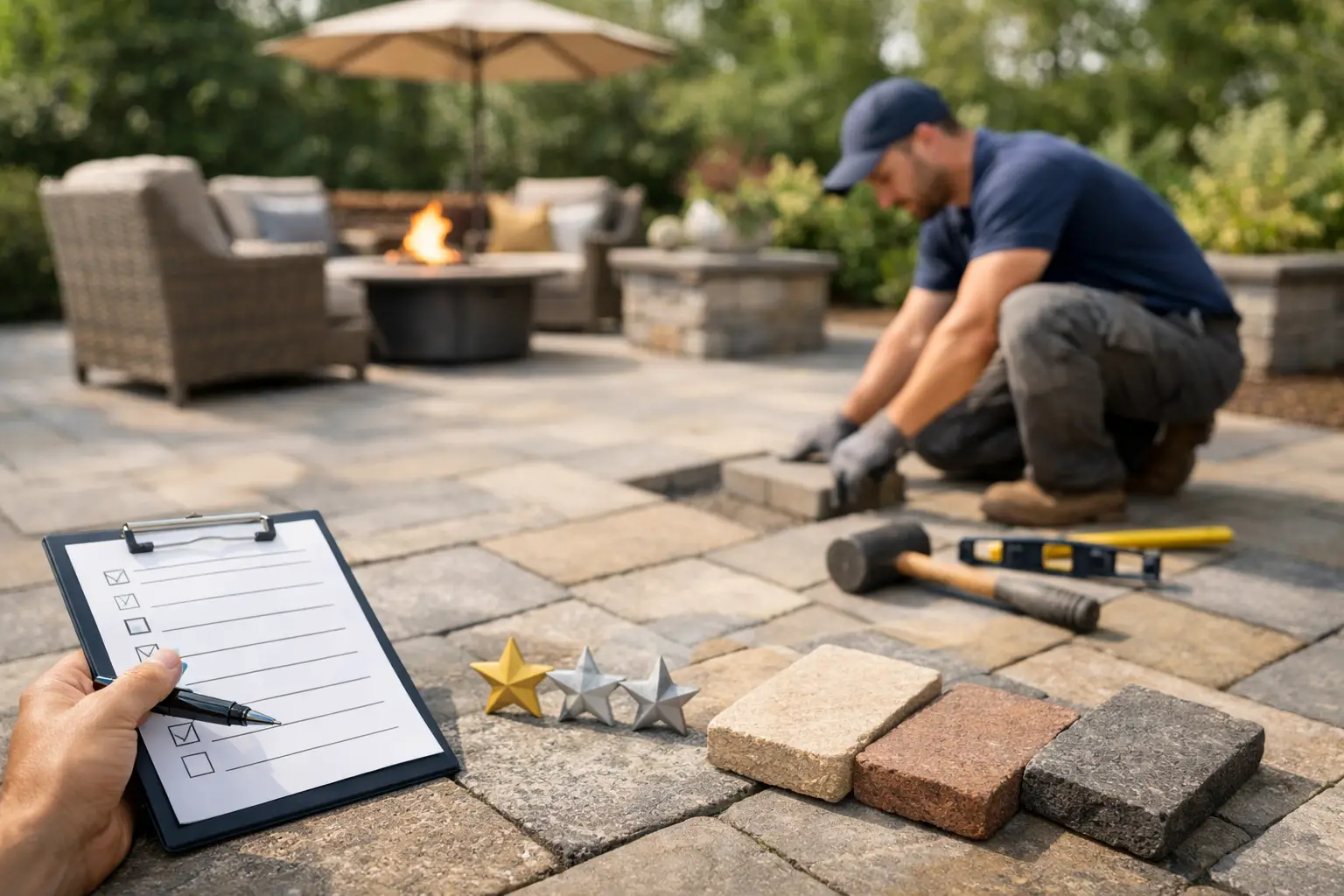
A patio can become the setting for sunset dinners, birthday celebrations, quiet coffee, and the kind of weekends when nobody wants to leave home. That is why patio installer reviews deserve more than a quick glance at the star rating. The right feedback can reveal whether a contractor delivers beautiful work, communicates clearly, respects your property, and stands behind the finished space long after the last paver is set.
For a premium outdoor project, reviews are not simply a popularity contest. They are a window into the experience you can expect when your backyard is under construction and, more importantly, when it is ready to be enjoyed.
Start With the Story Behind the Star Rating
A five-star average is encouraging, but it is not the whole picture. Read the written comments closely, especially the ones that explain the project from the first consultation through the final walkthrough. A homeowner who says their patio looks great is offering useful reassurance. A homeowner who describes thoughtful design guidance, organized scheduling, clean jobsite practices, and responsive follow-up is giving you a much clearer picture of the contractor’s standards.
Look for patterns across multiple reviews. If several clients mention that the team listened carefully to how their family entertains, that suggests a design process built around lifestyle rather than a one-size-fits-all layout. If reviewers repeatedly praise craftsmanship, punctuality, and communication, those strengths are likely part of the company culture rather than a lucky outcome on one job.
The same applies to concerns. One complaint is not automatically a reason to walk away. Construction involves weather, material availability, permitting, and decisions that can shift along the way. What matters is whether a contractor addresses challenges professionally. Reviews that mention a delay but also describe proactive updates and a well-managed resolution can be more reassuring than a page of vague praise.
What Patio Installer Reviews Should Tell You
The most valuable reviews answer questions that polished project photos cannot. Photos can show the finished color palette, clean lines, and inviting scale of a space. They cannot show whether the base was prepared correctly, whether drainage was considered, or whether the homeowners felt informed throughout the process.
As you read, watch for evidence in four areas:
- Design insight: Did the installer help the homeowner choose materials, layout, and features that suited the home’s architecture and the way the space would be used?
- Craftsmanship: Do reviewers mention precise paver cuts, solid stonework, level surfaces, proper grading, or details that still look exceptional over time?
- Project management: Were expectations about scheduling, access to the yard, changes, and next steps communicated clearly?
- Service after installation: If a question or adjustment came up later, did the company respond with care and accountability?
These details matter because a patio is a system, not just a surface. A beautiful travertine terrace or paver gathering area depends on excavation, base preparation, edge restraint, drainage, and integration with the rest of the property. If those foundations are overlooked, even premium materials can settle, shift, or hold water where they should not.
Look for Projects Similar to Yours
Not every glowing review is equally relevant to your plans. A homeowner who hired a crew to replace a small front walkway may have had an excellent experience, but their project is different from a fully customized backyard patio with a fire feature, outdoor kitchen, retaining walls, lighting, and landscape plantings.
Seek comments and project examples that reflect your scope. If you envision a large entertaining terrace beside a pool, look for a company with experience coordinating patios with pool decking, drainage, and circulation around the water. If your yard slopes, reviews that reference retaining walls, elevation changes, or drainage solutions carry extra weight. If your dream includes a covered pavilion or fireplace, you want a team that understands how hardscape, architecture, utilities, and landscaping should work together.
This is where a full-service design-build approach can make a meaningful difference. Rather than asking separate trades to solve isolated pieces of the project, homeowners can work from one cohesive plan. Beyond Backyard Living approaches patios as part of a complete exterior environment, considering the views from inside the home, the flow between gathering spaces, and the features that make a backyard feel like a private resort.
Read for Specificity, Not Superlatives
The strongest testimonials tend to be specific. They may mention that the designer repositioned the patio to capture a better view, created space for a dining table and lounge furniture, or recommended a material that complemented the home’s exterior. They may describe how the installation crew protected existing landscaping, kept the site orderly, or made final adjustments without being asked.
Generic phrases such as great work or highly recommend are positive, but they do not tell you much on their own. Specificity suggests that a reviewer has seen the difference between an adequate project and a carefully executed one.
Pay attention to language around collaboration as well. A custom patio should not feel like a product selected from a catalog. The best outcomes come from a contractor who can bring professional direction while making room for your priorities. Maybe you need wide, comfortable steps for grandparents and young children. Maybe your priority is a generous cooking zone with enough room for guests to gather without crowding the chef. Maybe the patio must connect naturally to a putting green, court, or garden retreat. Those choices should shape the design from the beginning.
Consider the Timing of Each Review
A review posted the week a patio is completed captures the excitement of a new space. A review written one or two years later can speak to durability, drainage, and how well the area has held up through changing weather and regular use. Both perspectives are valuable.
For homeowners in warm, sunny regions, long-term performance deserves particular attention. High heat, intense rain, expansive soils, and frequent outdoor use can test a patio quickly. Look for comments about surfaces remaining stable, water moving away from the home, and materials retaining their visual appeal. Ask prospective installers how they account for your property’s conditions rather than assuming the same installation method fits every yard.
It also helps to notice whether reviews span several years. A consistent record over time often indicates dependable systems, experienced teams, and a commitment to serving clients after the project is complete.
Verify the Experience in Your Consultation
Reviews should narrow your shortlist, not replace a real conversation. A consultation is where you can test whether the experience described online matches the one you receive in person. Does the contractor ask how you want to live outdoors? Are they curious about entertaining, privacy, shade, cooking, children, pets, and the features you may want to add later? Do they explain trade-offs honestly?
For example, natural stone may provide a distinctive, elevated character, while high-quality pavers can offer design flexibility and easier future access for repairs. A large patio may create a dramatic entertaining platform, but it needs thoughtful proportions so the yard still has breathing room for lawn, gardens, or recreation. A fire feature extends the use of the space into cooler evenings, yet it requires careful placement for seating, circulation, and local requirements.
A skilled installer will not rush past these choices. They will help you understand what each decision means for aesthetics, budget, maintenance, and the way the finished space feels.
Ask Questions That Reviews Cannot Answer
Even detailed patio installer reviews cannot reveal every aspect of your project. During your consultation, ask who will manage the work day to day, how changes are documented, what preparation is included beneath the surface, and how drainage will be handled. Discuss the expected project schedule and what could affect it. Ask how the team protects your home, landscaping, and access points while construction is underway.
You should also ask how the patio fits into a longer-range plan. A patio built today may eventually connect to a pool, pergola, outdoor kitchen, or fireplace. Planning for future utilities, elevations, and circulation now can prevent expensive compromises later.
The best patio is not the one that earns the most compliments on installation day. It is the one that continues to welcome people outside, year after year, and makes your home feel more generous every time you open the back door.