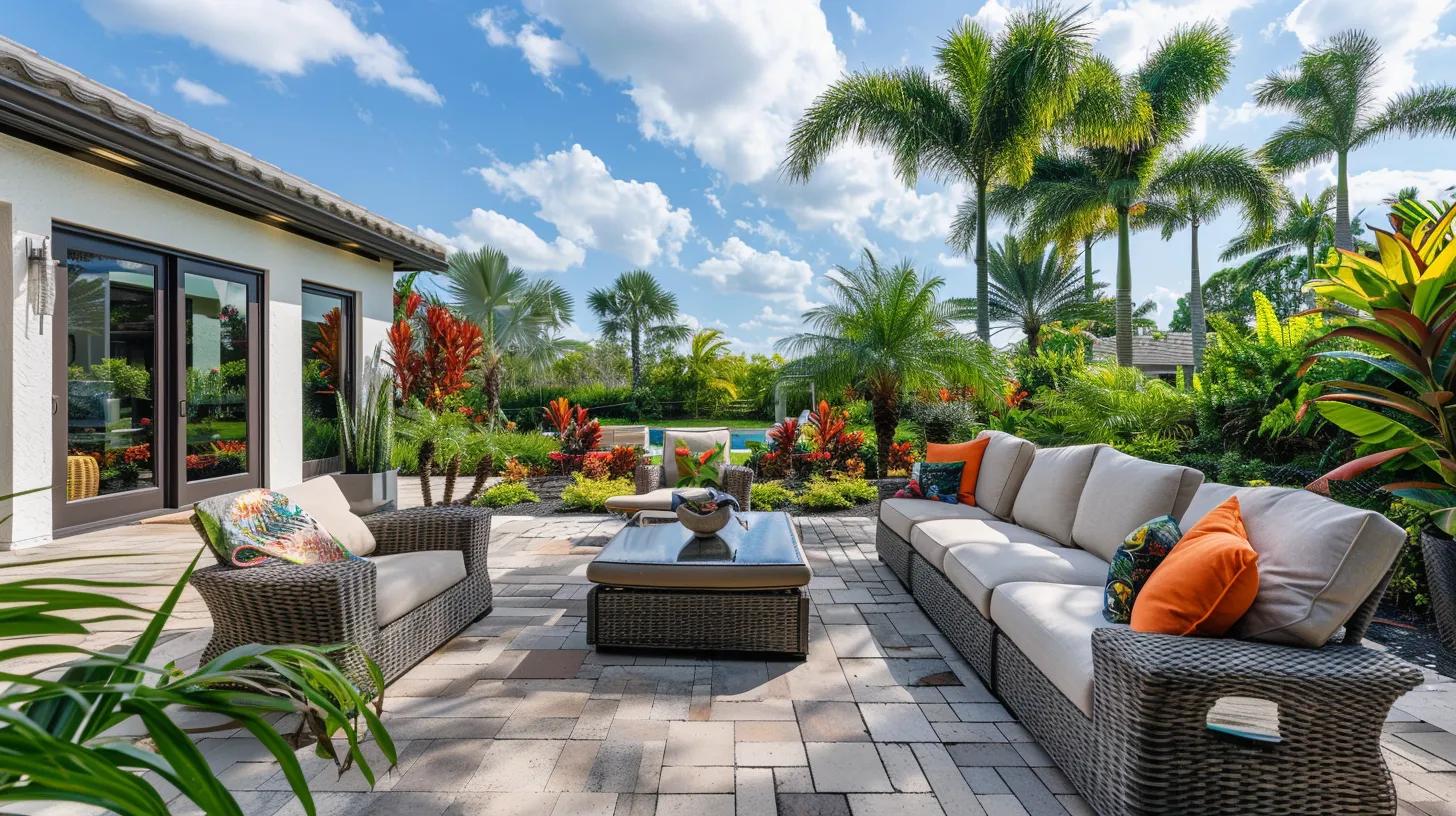
How Florida’s Climate Influences the Enduring Durability of Outdoor Living Spaces: Expert Insights and Protective Strategies
By Terrance Schabilion, Beyond Backyard Living
Florida’s unique climate presents both opportunities and challenges for outdoor living spaces. With its high humidity, salt air, and hurricane threats, homeowners must consider how these factors affect the durability of their outdoor environments. This article delves into the intricate relationship between Florida’s climate and the longevity of outdoor living spaces, providing insights into material selection, structural considerations, and maintenance strategies. Readers will learn about the specific challenges posed by Florida’s weather, the best practices for creating resilient outdoor spaces, and how to choose materials that withstand the test of time. By understanding these elements, homeowners can make informed decisions that enhance both the aesthetic appeal and structural integrity of their outdoor areas.
Material Selection
Choosing the right materials is crucial for ensuring the durability of outdoor living spaces in Florida’s climate. The intense sun, high humidity, and salt air can significantly impact the longevity of various materials. Homeowners should prioritize durability over aesthetics, opting for low-maintenance options that can withstand the elements. Performance fabrics, for instance, are designed to resist fading and deterioration, making them ideal for outdoor furniture and coverings.
Beyond Backyard Living specializes in custom outdoor living space design and construction tailored to the unique challenges posed by Florida’s climate. Their expertise in climate-adapted materials ensures that homeowners can enjoy beautiful and functional outdoor spaces without compromising on durability.
Structural Considerations
The structural integrity of outdoor living spaces is paramount in Florida, where hurricane-force winds and heavy rains are common. Incorporating shade structures and ensuring proper ventilation can enhance the resilience of these spaces. Integrated design for outdoor kitchens and living areas also plays a vital role in maintaining structural stability.
Additionally, using materials that are engineered to withstand high winds and moisture can prevent costly repairs and replacements. Homeowners should consult with professionals to ensure that their outdoor structures meet local building codes and are designed to endure Florida’s challenging weather conditions.
Protective Strategies
Implementing protective strategies is essential for safeguarding outdoor living spaces from Florida’s climate challenges. Layered lighting can enhance visibility while also providing aesthetic appeal, and temperature control methods can help maintain comfort during the hot summer months. Water management systems are also critical, as they prevent flooding and water damage to outdoor structures.
Beyond Backyard Living emphasizes the importance of bespoke solutions that combine aesthetic appeal with structural resilience. Their custom designs include features that protect against the elements, ensuring that outdoor spaces remain functional and beautiful year-round.
Maintenance Planning
Regular maintenance is vital for prolonging the life of outdoor living spaces. Homeowners should establish upkeep routines that address the specific needs of their materials and structures. Custom design considerations can also inform tailored maintenance plans that enhance durability and performance.
Seasonal care routines are essential for addressing the wear and tear caused by Florida’s climate. This includes regular inspections, cleaning, and timely repairs to preserve the structural integrity of outdoor spaces.
What Are the Primary Challenges Posed by Florida’s Climate to Outdoor Living Durability?
Florida’s climate presents several challenges that can impact the durability of outdoor living spaces. Key challenges include:
- Weather Conditions: High humidity and frequent rain can lead to mold and mildew growth, while intense sun exposure can cause materials to fade and deteriorate.
- Material Vulnerabilities: Many common outdoor materials are not designed to withstand the corrosive effects of salt air, leading to accelerated wear and tear.
- Maintenance Considerations: The need for regular upkeep can be demanding, requiring homeowners to invest time and resources to maintain their outdoor spaces.
Understanding these challenges is the first step in developing effective strategies to enhance the durability of outdoor living spaces in Florida.
How Do Salt Air Corrosion and Humidity Affect Outdoor Structures?
Salt air and humidity are two significant factors that contribute to the deterioration of outdoor structures in Florida. Salt air can accelerate the corrosion of metals, leading to structural weaknesses and potential failures. Humidity, on the other hand, creates an environment conducive to mold and mildew growth, which can damage materials and compromise the integrity of outdoor spaces.
Understanding the specific mechanisms of corrosion is crucial for homeowners in Florida’s unique climate.
Florida Corrosion Prevention: Protecting Outdoor Spaces from Humidity & Salt
Corrosion is a naturally occurring deterioration of a metal caused by reaction with its environment and especially with oxygen. The result is the production of brown rust on iron or steel, white spots or surface discoloration on aluminum and blue or green layers on copper. Moisture, oxygen and a salt (e.g. sodium chloride) all contribute to the corrosion process. In a humid climate, especially in coastal areas where moisture is saline or salty, corrosion can occur readily.
Avoiding Corrosion Problems in Florida: FCS3141/HE605, 1/2003, 2003
To combat these effects, homeowners should select materials that are resistant to salt air corrosion and humidity. Regular maintenance practices, such as cleaning and inspections, can also help mitigate the long-term impacts of these environmental factors.
In What Ways Do Hurricane-Force Winds Threaten Pergolas and Outdoor Kitchens?
Hurricane-force winds pose a serious threat to outdoor structures, including pergolas and kitchens. These winds can cause structural damage, uproot fixtures, and lead to costly repairs. To protect against these threats, homeowners should consider the following design elements:
- Structural Integrity: Using materials that are engineered for high wind resistance can enhance the durability of outdoor structures.
- Design Considerations: Incorporating aerodynamic shapes and secure anchoring systems can help structures withstand strong winds.
- Material Choices: Selecting durable materials that can endure harsh weather conditions is essential for maintaining the integrity of outdoor kitchens and pergolas.
How Can Salt Air Corrosion Be Prevented in Florida’s Outdoor Kitchens and Living Spaces?
Preventing salt air corrosion in outdoor kitchens and living spaces requires a proactive approach. Homeowners can implement several strategies to protect their investments:
- Material Selection: Choosing corrosion-resistant materials, such as stainless steel and natural stone, can significantly reduce the risk of damage.
- Protective Coatings: Applying protective coatings to metal surfaces can create a barrier against salt air and moisture.
- Design Elements: Incorporating design features that minimize exposure to salt air, such as windbreaks and sheltered areas, can further enhance protection.
Which Corrosion-Resistant Materials Are Optimal for Coastal Outdoor Installations?
When selecting materials for coastal outdoor installations, homeowners should consider the following corrosion-resistant options:
- Stainless Steel: Known for its durability and resistance to rust, stainless steel is an excellent choice for outdoor kitchens and fixtures.
- Natural Stone: This material is not only aesthetically pleasing but also highly resistant to moisture and corrosion.
- Porcelain Surfaces: Porcelain is another durable option that can withstand the harsh effects of salt air and humidity.
These materials provide a solid foundation for outdoor living spaces that can endure Florida’s challenging climate.
What Maintenance Practices Mitigate Salt Air Damage Over Time?
To mitigate salt air damage over time, homeowners should adopt the following maintenance practices:
- Regular Inspections: Conducting routine checks for signs of corrosion or damage can help identify issues before they escalate.
- Cleaning Routines: Regularly cleaning outdoor surfaces can prevent the buildup of salt and moisture, reducing the risk of damage.
- Early Damage Identification: Promptly addressing any signs of wear or corrosion can extend the lifespan of outdoor structures.
Implementing these practices can significantly enhance the durability of outdoor living spaces in Florida.
What Constitutes Hurricane Resistant Design for Pergolas and Outdoor Structures in Florida?
Hurricane-resistant design for pergolas and outdoor structures involves several key principles:
- Design Principles: Structures should be designed to withstand high winds, incorporating features that enhance stability and reduce wind resistance.
- Material Selection: Using durable materials that can endure harsh weather conditions is essential for maintaining structural integrity.
- Engineering Techniques: Employing advanced engineering techniques can further enhance the resilience of outdoor structures against hurricane forces.
By adhering to these principles, homeowners can create outdoor spaces that are not only beautiful but also capable of withstanding Florida’s extreme weather.
Which Materials and Engineering Techniques Enhance Hurricane Proof Pergola Durability?
To enhance the durability of hurricane-proof pergolas, homeowners should consider the following materials and engineering techniques:
- Material Choices: Selecting high-quality, weather-resistant materials, such as treated wood and metal, can improve structural integrity.
- Engineering Techniques: Utilizing advanced engineering methods, such as reinforced connections and secure anchoring systems, can enhance stability.
- Design Considerations: Designing pergolas with aerodynamic shapes can help reduce wind resistance and prevent damage during storms.
These strategies can significantly improve the resilience of outdoor structures in hurricane-prone areas.
Are There Case Studies Demonstrating Successful Hurricane-Resilient Outdoor Designs?
Several case studies highlight successful hurricane-resilient outdoor designs that effectively withstand Florida’s extreme weather. These examples showcase innovative approaches to material selection, structural design, and engineering techniques that enhance durability.
- Example 1: A coastal home featuring a hurricane-resistant pergola designed with reinforced connections and weather-resistant materials demonstrated minimal damage during a recent storm.
- Example 2: An outdoor kitchen built with stainless steel fixtures and natural stone surfaces successfully withstood high winds and salt air exposure, showcasing the effectiveness of corrosion-resistant materials.
- Example 3: A community park designed with aerodynamic structures and secure anchoring systems remained intact during hurricane conditions, illustrating the importance of thoughtful design in outdoor spaces.
These case studies provide valuable insights into best practices for creating resilient outdoor environments.
Which Durable Outdoor Kitchen Materials Best Withstand Florida’s Sunbelt Climate?
When selecting materials for outdoor kitchens in Florida’s Sunbelt climate, homeowners should consider the following durable options:
- Natural Stone: This material is highly resistant to moisture and heat, making it ideal for outdoor cooking surfaces.
- Porcelain Surfaces: Porcelain is durable and easy to clean, providing a practical solution for outdoor kitchen countertops.
- Stainless Steel: Known for its corrosion resistance, stainless steel is an excellent choice for appliances and fixtures in outdoor kitchens.
These materials not only enhance the functionality of outdoor kitchens but also contribute to their longevity in Florida’s challenging climate.
How Do Stainless Steel, Composite Decking, and Treated Wood Compare in Longevity?
When comparing the longevity of stainless steel, composite decking, and treated wood, several factors come into play:
- Stainless Steel: This material is highly durable and resistant to corrosion, making it an excellent long-term investment for outdoor fixtures.
- Composite Decking: Composite materials offer a low-maintenance option that resists fading and deterioration, providing a long lifespan with minimal upkeep.
- Treated Wood: While treated wood can be durable, it may require more maintenance over time to prevent rot and decay, especially in humid environments.
Overall, stainless steel and composite decking tend to offer superior longevity compared to treated wood, making them preferable choices for outdoor living spaces.
What Role Do UV-Resistant Finishes Play in Material Preservation?
UV-resistant finishes play a crucial role in preserving outdoor materials from the damaging effects of sunlight. These finishes provide a protective barrier that prevents fading, cracking, and deterioration caused by UV exposure.
- Protection Against UV Damage: UV-resistant finishes help maintain the color and integrity of materials, extending their lifespan.
- Types of Finishes: Various UV-resistant coatings are available, including paints, stains, and sealants, each designed to enhance durability.
- Application Techniques: Proper application techniques are essential for maximizing the effectiveness of UV-resistant finishes, ensuring even coverage and adherence.
By utilizing UV-resistant finishes, homeowners can significantly enhance the durability of their outdoor living spaces.
How Does the Sunbelt Climate Specifically Impact Outdoor Furniture Durability and Weatherproofing?
The Sunbelt climate, characterized by high temperatures and humidity, poses unique challenges for outdoor furniture durability and weatherproofing.
- Material Considerations: Selecting materials that can withstand heat and moisture is essential for maintaining the integrity of outdoor furniture.
- Exposure Factors: Prolonged exposure to sunlight can lead to fading and deterioration, necessitating the use of weatherproofing techniques.
- Maintenance Recommendations: Regular cleaning and protective treatments can help extend the lifespan of outdoor furniture, ensuring it remains functional and attractive.
Understanding these factors is crucial for homeowners looking to invest in durable outdoor furniture.
What Are the Effects of Intense UV Exposure and Humidity on Outdoor Furnishings?
Intense UV exposure and humidity can have detrimental effects on outdoor furnishings, leading to:
- Material Degradation: Prolonged exposure to UV rays can cause materials to fade, crack, and weaken over time.
- Fading and Cracking: Humidity can exacerbate these effects, leading to mold growth and structural damage.
- Mold and Mildew Growth: High humidity levels create an environment conducive to mold and mildew, which can compromise the integrity of outdoor furnishings.
To combat these effects, homeowners should choose weather-resistant materials and implement regular maintenance practices.
Which Weatherproofing Techniques Extend the Lifespan of Outdoor Furniture?
Implementing effective weatherproofing techniques can significantly extend the lifespan of outdoor furniture. Homeowners should consider the following strategies:
- Material Selection: Choosing weather-resistant materials, such as synthetic fabrics and treated wood, can enhance durability.
- Protective Coatings: Applying weatherproofing treatments can create a barrier against moisture and UV damage.
- Regular Maintenance: Routine cleaning and inspections can help identify and address potential issues before they escalate.
By adopting these techniques, homeowners can ensure their outdoor furniture remains in excellent condition for years to come.
What Are the Best Practices for Maintenance and Weatherproofing of Florida Outdoor Living Spaces?
To maintain and weatherproof outdoor living spaces in Florida, homeowners should follow these best practices:
- Seasonal Care Routines: Establishing seasonal maintenance routines can help address the specific needs of outdoor spaces throughout the year.
- Cleaning and Repairs: Regular cleaning and timely repairs are essential for preserving the integrity of outdoor structures and furnishings.
- Weatherproofing Techniques: Implementing weatherproofing strategies, such as protective coatings and moisture barriers, can enhance durability.
By adhering to these best practices, homeowners can significantly extend the lifespan of their outdoor living spaces.
Which Seasonal Care Routines Are Essential for Longevity?
Seasonal care routines are vital for ensuring the longevity of outdoor living spaces. Homeowners should consider the following essential tasks:
- Spring Maintenance Tasks: Inspecting for winter damage, cleaning surfaces, and applying protective treatments.
- Summer Preparations: Ensuring proper ventilation and shade for outdoor areas to combat heat and humidity.
- Fall and Winter Care: Preparing outdoor spaces for cooler temperatures and potential storms, including securing loose items and performing necessary repairs.
By following these seasonal care routines, homeowners can maintain the integrity and beauty of their outdoor living spaces year-round.
How Can Repairs and Cleaning Be Optimized to Preserve Structural Integrity?
Optimizing repairs and cleaning practices is essential for preserving the structural integrity of outdoor living spaces. Homeowners should focus on:
- Repair Techniques: Utilizing appropriate materials and methods for repairs can ensure lasting results.
- Cleaning Methods: Employing gentle cleaning techniques can prevent damage to surfaces while effectively removing dirt and debris.
- Inspection Routines: Regular inspections can help identify potential issues early, allowing for timely interventions.
By implementing these strategies, homeowners can maintain the durability and functionality of their outdoor spaces.
How Do Florida Building Codes and Recent NOAA Data Inform Outdoor Living Space Durability Standards?
Florida building codes and recent NOAA data play a crucial role in informing outdoor living space durability standards. Homeowners should be aware of:
- Building Code Updates: Staying informed about changes in building codes can ensure compliance and enhance safety.
- NOAA Data Relevance: Utilizing NOAA data can provide insights into weather patterns and risks, guiding material and design choices.
- Impact on Design Choices: Understanding these factors can help homeowners make informed decisions that enhance the resilience of their outdoor spaces.
By adhering to building codes and leveraging NOAA data, homeowners can create outdoor living spaces that are both beautiful and durable.
What Updates in 2025-2026 Codes Affect Outdoor Structure Design?
The updates in building codes for 2025-2026 will have significant implications for outdoor structure design. Homeowners should consider:
- New Regulations: Familiarizing themselves with new regulations can ensure compliance and enhance safety.
- Design Implications: Understanding how these updates affect design choices can guide material selection and structural integrity.
- Compliance Requirements: Staying informed about compliance requirements can prevent costly fines and ensure the longevity of outdoor structures.
By adapting to these updates, homeowners can create outdoor living spaces that meet current standards and withstand Florida’s climate challenges.
How Does Authoritative Climate Data Guide Material and Design Choices?
Authoritative climate data plays a vital role in guiding material and design choices for outdoor living spaces. Homeowners should consider:
- Climate Data Sources: Utilizing reliable climate data sources can provide insights into local weather patterns and risks.
- Material Selection Guidance: Understanding how climate data informs material selection can enhance durability and performance.
- Design Considerations: Incorporating climate data into design choices can lead to more resilient outdoor spaces.
By leveraging authoritative climate data, homeowners can make informed decisions that enhance the longevity of their outdoor living areas.
Why Should Discerning Homeowners Invest in Bespoke Outdoor Living Solutions Tailored to Florida’s Climate?
Investing in bespoke outdoor living solutions tailored to Florida’s climate offers numerous benefits for discerning homeowners. These include:
- Enhanced Lifestyle Benefits: Custom designs can create functional and aesthetically pleasing outdoor spaces that enhance quality of life.
- Increased Property Value: Well-designed outdoor areas can significantly boost property value and appeal to potential buyers.
- Comfort in Hot Weather: Tailored solutions can provide comfort and usability during Florida’s hot summers, ensuring outdoor spaces are enjoyable year-round.
By choosing bespoke solutions, homeowners can create outdoor living spaces that reflect their unique needs and preferences while ensuring durability.
How Does Custom Design Enhance Both Aesthetic Appeal and Structural Resilience?
Custom design plays a crucial role in enhancing both the aesthetic appeal and structural resilience of outdoor living spaces. Homeowners should consider:
- Aesthetic Integration: Custom designs can seamlessly integrate with the existing architecture and landscape, creating a cohesive look.
- Functional Design: Tailored solutions can address specific needs, ensuring that outdoor spaces are both beautiful and practical.
- Cohesive Planning: Thoughtful planning can enhance structural integrity while providing an inviting atmosphere for relaxation and entertainment.
By investing in custom design, homeowners can achieve outdoor living spaces that are not only visually stunning but also built to last.
What Long-Term Value Does Heritage Craftsmanship Impart to Outdoor Spaces?
Heritage craftsmanship imparts significant long-term value to outdoor spaces through its emphasis on quality and durability. Homeowners should recognize the benefits of:
- Durability and Material Selection: Heritage craftsmanship often involves the use of high-quality materials that stand the test of time.
- Custom Design for Functionality: Tailored solutions can enhance the functionality of outdoor spaces, ensuring they meet the needs of homeowners.
- Cohesive Aesthetic: A focus on craftsmanship can create visually appealing outdoor areas that enhance the overall property value.
By prioritizing heritage craftsmanship, homeowners can invest in outdoor living spaces that offer lasting beauty and functionality.