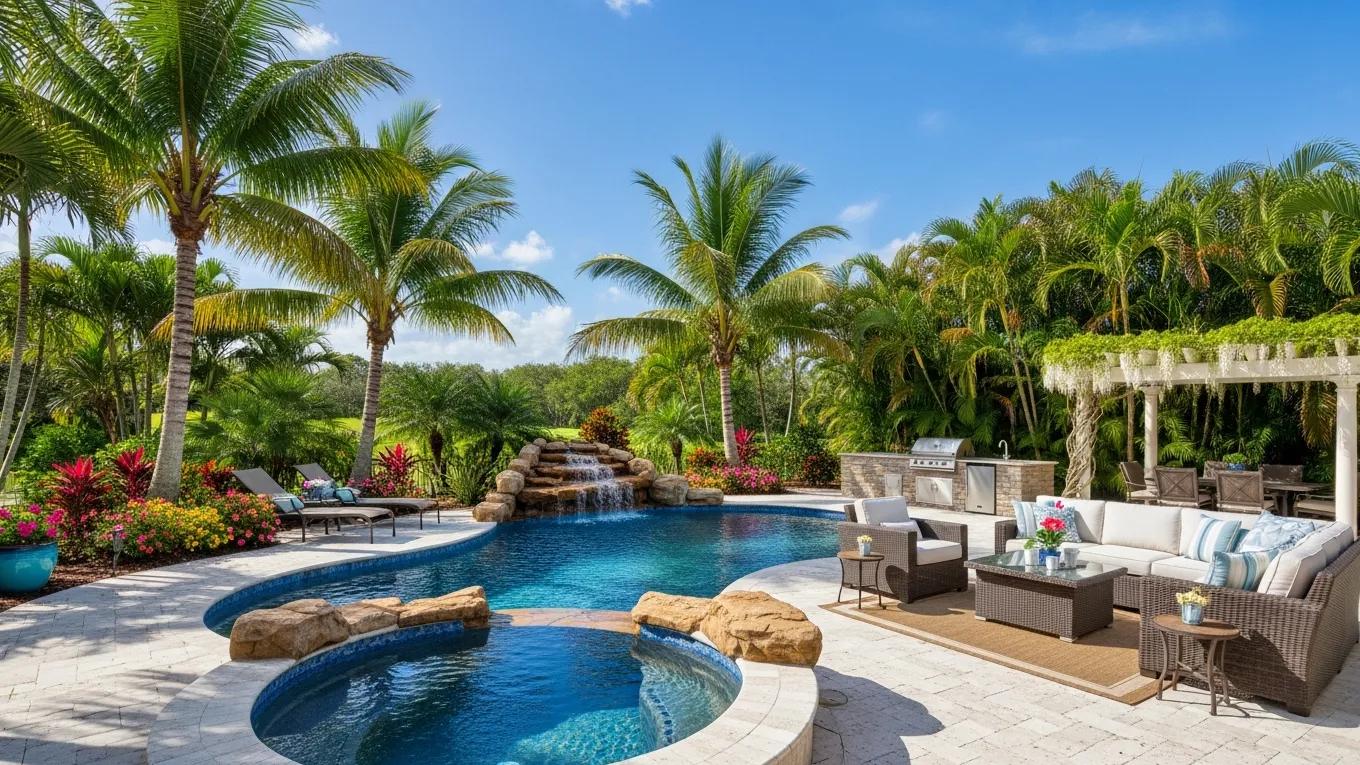
Hidden Costs of Custom Pools in Florida: Essential Budgeting Insights for Discerning Homeowners
By Terrance Schabilion, Beyond Backyard Living
Building a custom pool can be a dream come true for many homeowners, offering a personal oasis for relaxation and entertainment. However, the journey to pool ownership often comes with unexpected financial surprises. This article delves into the hidden costs associated with custom pools in Florida, ensuring that homeowners are well-prepared for the financial commitment involved. By understanding these costs, you can create a comprehensive budget that encompasses not just the initial installation but also ongoing maintenance and potential unforeseen expenses. We will explore various aspects, including installation costs, maintenance expenses, unexpected fees, permitting requirements, and how landscaping and outdoor features can impact your overall budget.
Installation Costs
The installation of a custom pool involves several components that contribute to the overall cost. Factors such as the size of the pool, the materials used, and the complexity of the design all play a significant role in determining the final price. Homeowners should expect a range of costs depending on these variables, with high-quality materials and intricate designs leading to higher expenses. Additionally, labor costs can vary based on the region and the expertise of the contractors involved.
To help homeowners better understand these costs, the following table outlines common installation cost components:
| Component | Description | Estimated Cost |
|---|---|---|
| Excavation | Digging the pool site | $1,500 – $5,000 |
| Pool Shell | Concrete or fiberglass structure | $20,000 – $60,000 |
| Decking | Surrounding area materials | $5,000 – $15,000 |
| Equipment | Pumps, filters, and heaters | $2,000 – $10,000 |
Understanding these components allows homeowners to budget effectively and avoid surprises during the installation process. For those looking to ensure quality and longevity in their pool, investing in premium materials and skilled labor is essential.
Maintenance Expenses
Owning a pool comes with ongoing maintenance costs that can add up over time. Regular cleaning, chemical balancing, and equipment upkeep are necessary to keep the pool in optimal condition. Homeowners should budget for routine maintenance services, which can range from $100 to $300 per month, depending on the size of the pool and the services required.
In addition to routine maintenance, potential repair costs should also be considered. Equipment failures, leaks, and surface repairs can lead to unexpected expenses. Homeowners should set aside a contingency fund to cover these potential repairs, ensuring that they are prepared for any surprises that may arise.
Unexpected Expenses
During the construction of a custom pool, unforeseen costs can emerge due to various factors. Site-specific challenges, such as rocky soil or unexpected drainage issues, can significantly increase excavation costs. Additionally, changes in design or materials during the construction process can lead to additional expenses.
To mitigate these risks, homeowners should establish a contingency fund of at least 10-20% of the total project cost. This fund can help cover unexpected expenses and ensure that the project stays on track financially. Scheduling consultations with experienced contractors can also provide valuable insights into potential challenges and help homeowners prepare for any surprises.
Which Unexpected Expenses Arise During Pool Construction?
Common unexpected expenses during pool construction include:
- Site Preparation Issues: Unforeseen challenges like rocky terrain can increase excavation costs.
- Design Changes: Modifications to the original design can lead to additional material and labor costs.
- Permitting Delays: Delays in obtaining necessary permits can extend the construction timeline and increase costs.
How Do Equipment Upgrades Influence Overall Pool Costs?
Upgrading pool equipment can enhance functionality and efficiency but may also add to the overall cost. Homeowners should consider the following when budgeting for equipment upgrades:
- Types of Equipment: Options like energy-efficient pumps and advanced filtration systems can improve performance.
- Cost Implications: While initial costs may be higher, energy-efficient equipment can lead to long-term savings on utility bills.
- Long-term Benefits: Investing in quality equipment can reduce maintenance needs and extend the lifespan of the pool.
Permitting and Regulatory Fees
In Florida, obtaining the necessary permits for pool construction is a critical step that can impact your budget. Local regulations dictate specific requirements that must be met before construction can begin. Permit fees can vary significantly based on the location and complexity of the project, so homeowners should research the specific requirements in their area.
What Are the Specific Permit Requirements for Pool Construction in Florida?
Homeowners should be aware of the following permit requirements:
- Building Permit: Required for all new pool constructions.
- Electrical Permit: Necessary for any electrical work related to pool equipment.
- Zoning Approval: Ensures compliance with local zoning laws regarding property lines and setbacks.
How Have Recent Changes in Permit Fees Affected Budgeting?
Recent changes in permit fees have led to increased costs for homeowners. It is essential to stay informed about these changes and factor them into your overall budget. Homeowners should consult with local authorities to understand the current fee structure and any potential impacts on their projects.
What Excavation and Site Preparation Costs Should Homeowners Anticipate?
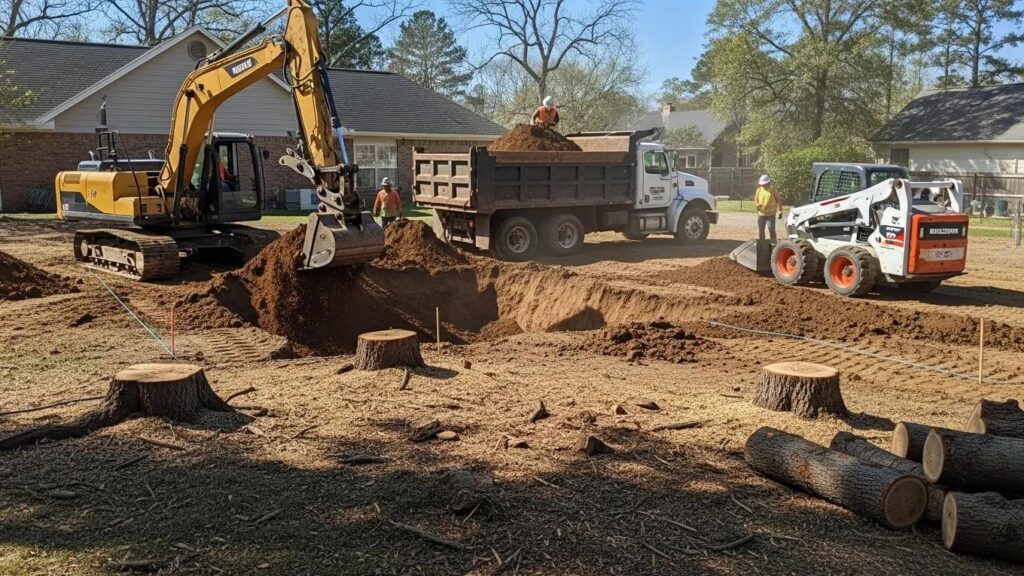
Excavation and site preparation are crucial steps in the pool construction process that can significantly affect the overall budget. Homeowners should anticipate costs associated with clearing the site, grading, and preparing the ground for the pool structure.
Which Factors Influence Excavation Fees for Custom Pools?
Several factors can influence excavation fees, including:
- Site Access: Difficult-to-reach locations may require specialized equipment, increasing costs.
- Soil Type: Rocky or unstable soil can complicate excavation and lead to higher expenses.
- Project Complexity: More complex designs may require additional excavation work.
How Does Site Preparation Affect Project Timeline and Budget?
Proper site preparation is essential for a successful pool installation. Inadequate preparation can lead to delays and increased costs. Homeowners should prioritize thorough site assessments to ensure that all necessary preparations are made before construction begins.
How Do Landscaping and Outdoor Living Features Add to Pool Construction Expenses?
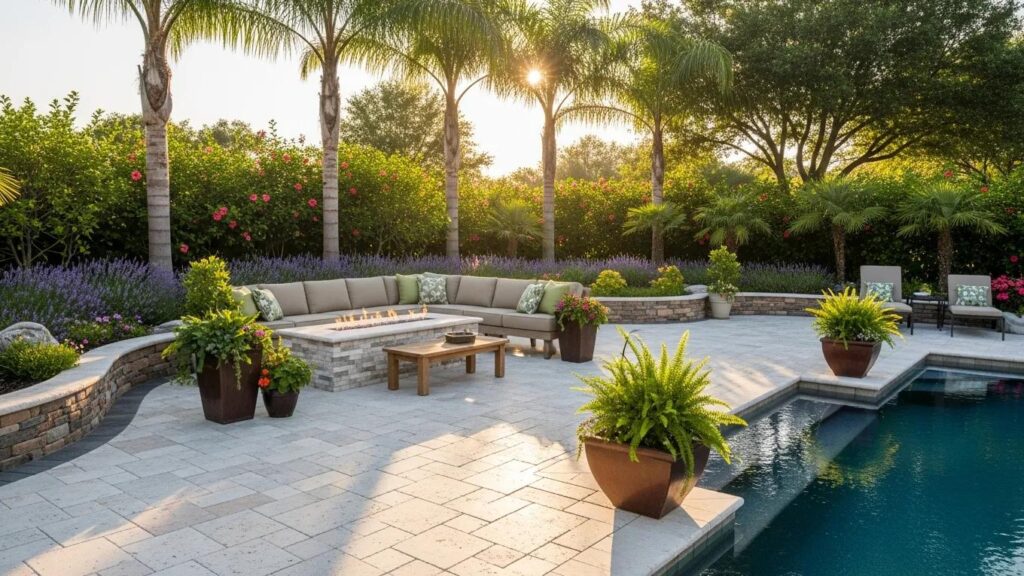
Landscaping and outdoor living features can enhance the overall aesthetic and functionality of a pool area but can also contribute to additional costs. Homeowners should consider how these features will integrate with the pool design and budget accordingly.
What Are the Budget Considerations for Poolside Landscaping in Florida?
When budgeting for poolside landscaping, homeowners should consider:
- Design Integration: Ensuring that landscaping complements the pool design can enhance the overall appeal.
- Cost of Features: Elements like lighting, seating, and plants can add to the budget.
- Phased Projects: Homeowners may choose to implement landscaping in phases to manage costs effectively.
Which Outdoor Living Additions Complement Custom Pools and Affect Pricing?
Outdoor living features that can complement custom pools include:
- Patios and Decks: Expanding the usable space around the pool can enhance enjoyment.
- Outdoor Kitchens: Adding cooking facilities can increase the overall cost but also enhance the outdoor experience.
- Fire Pits and Seating Areas: These features can create inviting spaces for gatherings but should be factored into the budget.
What Maintenance and Warranty Costs Should Be Included in Long-Term Pool Budgeting?
Long-term budgeting for a custom pool should include maintenance and warranty costs. Regular maintenance is essential for keeping the pool in good condition, while warranties can provide peace of mind regarding equipment and structural integrity.
Which Hidden Fees Arise from Pool Maintenance and Repairs?
Homeowners should be aware of potential hidden fees associated with pool maintenance, including:
- Chemical Costs: Regular chemical treatments are necessary for water quality.
- Equipment Repairs: Unexpected repairs can arise, leading to additional expenses.
- Seasonal Maintenance: Costs may vary based on seasonal needs, such as winterization.
How Do Warranty Options Influence Future Financial Planning?
Choosing the right warranty options can significantly impact long-term financial planning. Homeowners should consider:
- Types of Warranties: Options may include equipment warranties and structural warranties.
- Cost Implications: Warranties can add to initial costs but may save money on repairs in the long run.
- Coverage Details: Understanding what is covered under each warranty is essential for effective budgeting.