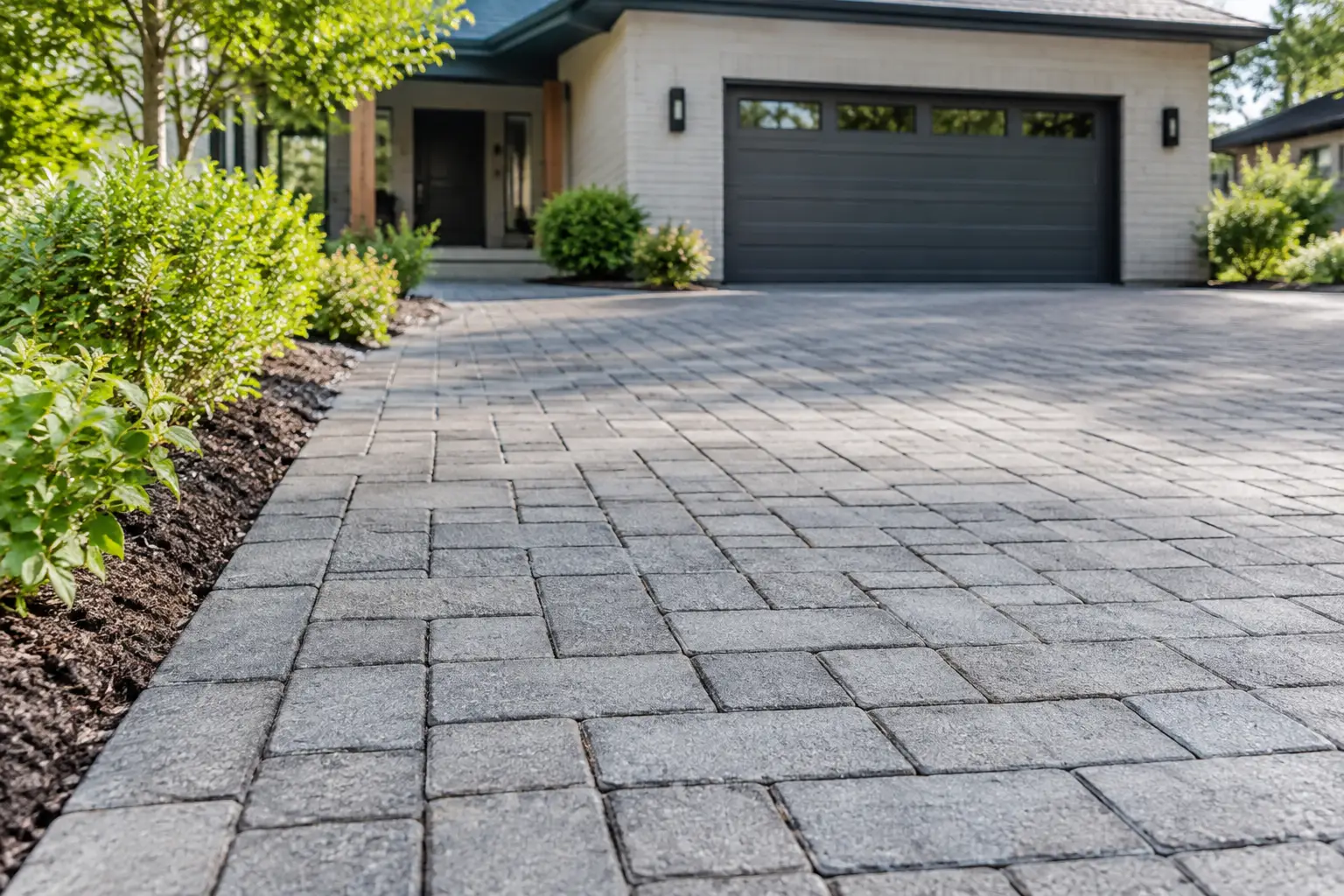
A beautiful driveway or patio should do more than look polished after installation. It should handle a summer downpour without sending water toward the garage, pooling beside the pool deck, or washing mulch into the street. So, are permeable pavers worth it? For homeowners building a high-end outdoor environment where drainage, durability, and design all matter, they often are – provided the system is designed and installed correctly.
Permeable pavers are not simply standard pavers with gaps between them. They are part of a layered drainage system that allows rainwater to move through the joints, into an open-graded stone base, and gradually into the soil below or a planned drainage outlet. The result can be a driveway, courtyard, or gathering area that feels tailored and refined while working harder behind the scenes.
Are Permeable Pavers Worth It? Start With the Site
The strongest reason to choose permeable pavers is water management. Conventional concrete and tightly installed pavers create a mostly impervious surface. Rain must travel across that surface until it reaches a drain, swale, curb, or the lowest point in the yard. On a large driveway or patio, that water can move quickly, carrying debris and placing unnecessary pressure on nearby landscaping.
A permeable paver system changes the path of the water. Instead of treating rainfall as something to push away as fast as possible, the surface lets water filter through engineered joint material and stone layers below. This can reduce standing water, minimize runoff, and help protect the surrounding landscape from erosion.
That benefit is particularly valuable when a property has a broad paver driveway, a sloped front approach, compacted soil, or a backyard with several hardscape features. A pool patio, outdoor kitchen, fire feature, pavilion, and walkways all add usable living space, but they also add surfaces that need a drainage strategy. Permeable paving can become one elegant part of that larger plan.
Still, the site has the final say. Soil that drains poorly, a high water table, expansive clay, or a steep grade may require additional underdrains, drainage piping, or a more carefully engineered base. Permeable pavers are not a shortcut around drainage design. They are a sophisticated drainage tool when matched to the conditions of the property.
The Lifestyle Benefits Go Beyond Drainage
For a luxury outdoor space, the appeal is not purely technical. Permeable pavers offer the same design flexibility homeowners expect from premium hardscaping. They come in a wide range of shapes, colors, textures, and laying patterns, making it possible to create a driveway that complements the architecture of the home or a patio that feels like an extension of an outdoor living room.
Unlike a poured concrete slab, pavers create natural visual movement. A warm, tumbled finish can soften a traditional home. Clean-lined, large-format units can give a contemporary residence a more architectural arrival. Borders, inlays, and coordinated walkways can carry the design from the street to the front door, then through the backyard gathering spaces.
There is also a practical comfort factor. Because water is less likely to sit on the surface, permeable areas can be more pleasant after rain. That matters around entertaining zones, especially where guests move between a covered patio, outdoor kitchen, pool, and fire pit. Less puddling means fewer wet shoes and less of that slick, just-after-the-storm feeling underfoot.
What Do Permeable Pavers Cost?
Permeable pavers generally cost more upfront than basic concrete and may cost more than a standard paver installation. The pavers themselves are only part of the equation. The real investment is in excavation, base preparation, open-graded aggregate, edge restraints, geotextile where needed, and drainage components tailored to the site.
For that reason, comparing only the price per square foot can lead to the wrong decision. A conventional paved surface may appear less expensive at first, but it could require catch basins, trench drains, regrading, retaining solutions, or repairs to landscape areas affected by runoff. In some projects, a permeable system reduces the need for some of those separate drainage measures. In others, it works alongside them.
The return is often less about a simple payback calculation and more about long-term performance. A well-planned permeable driveway can protect the investment around it: planting beds, foundations, walkways, and finished outdoor spaces. It can also add a thoughtful, premium feature that distinguishes the property from homes with ordinary concrete approaches.
Homeowners should expect a professional design team to assess water flow before recommending a solution. The right conversation includes the size of the paved area, intended vehicle loads, slope, soil conditions, roof runoff, existing drainage concerns, and the relationship between the driveway and the home.
Maintenance Is Real, but It Is Manageable
Permeable pavers do need maintenance. The joints must remain open enough for water to pass through, which means they should not be allowed to fill with soil, leaves, mulch, or sediment over time. Routine sweeping and prompt cleanup of landscape debris help preserve performance.
Periodic vacuum sweeping is often recommended, especially in areas that collect fine particles or have mature trees overhead. Joint aggregate may also need to be replenished after cleaning or over the life of the installation. This is not difficult maintenance, but it is purposeful maintenance – much like caring for a pool, a wood-fired pizza oven, or the planting around a finely built patio.
It is also wise to be selective with surrounding landscape details. Loose mulch can migrate onto the surface during storms. Bare soil near the pavement can wash into the joints. A well-designed edge condition, stable planting beds, and thoughtful grading make maintenance easier while keeping the finished space crisp.
For driveways, winter considerations vary by location. In many Sunbelt markets, snow and ice are not central concerns. Where freezing conditions do occur, permeable surfaces can sometimes reduce surface ice because water drains rather than remaining on top. However, deicing products and snow-removal equipment should be selected with the paver system in mind to avoid damaging joints or dislodging aggregate.
When Standard Pavers May Be the Better Choice
Permeable pavers are not automatically the right answer for every patio or driveway. If the site already has an effective drainage system, the paved area is small, and water management is not a concern, traditional interlocking pavers may provide the appearance and durability you want at a lower initial cost.
They may also be the more practical selection when a project calls for a completely different drainage approach, such as directing water to a carefully placed linear drain or integrating the patio into a larger grading plan. A luxurious result does not depend on choosing the most complicated system. It depends on selecting materials and construction methods that make sense for the property.
The key distinction is that standard pavers prioritize the finished surface, while permeable pavers prioritize both the surface and the water moving beneath it. For homeowners adding a driveway, expansive courtyard, or outdoor living area where water has been a persistent issue, that difference can be substantial.
Installation Quality Determines the Outcome
Permeable pavement performs only as well as the assembly below it. Proper excavation depth, a stable subgrade, the right stone gradation, precise compaction, and correctly installed edge restraints all influence how the system drains and how well it holds its shape under traffic.
A beautiful paver pattern cannot compensate for an undersized base or an unplanned outlet for excess water. This is why a permeable project should begin with the full property in view, not just a material selection in a showroom. Water from roofs, adjacent lawns, pool decks, and neighboring grade changes should all be considered before the first paver is placed.
At Beyond Backyard Living, that whole-property perspective is what turns a functional surface into part of a cohesive outdoor escape. The driveway, patio, landscape lighting, planting, and gathering areas should feel intentionally connected, not assembled as separate projects over time.
A Better Question to Ask
Rather than asking whether permeable pavers are worth it in the abstract, ask what rainwater is doing on your property now – and what you want it to do after your outdoor transformation is complete. If the answer involves fewer puddles, less runoff, protected landscaping, and a driveway or patio with enduring visual presence, permeable pavers deserve a place in the design conversation.
The best outdoor spaces make hospitality feel effortless. When the paving beneath your guests’ feet is as thoughtfully planned as the firelight, the pool, and the evening gathering ahead, the entire property works with you.