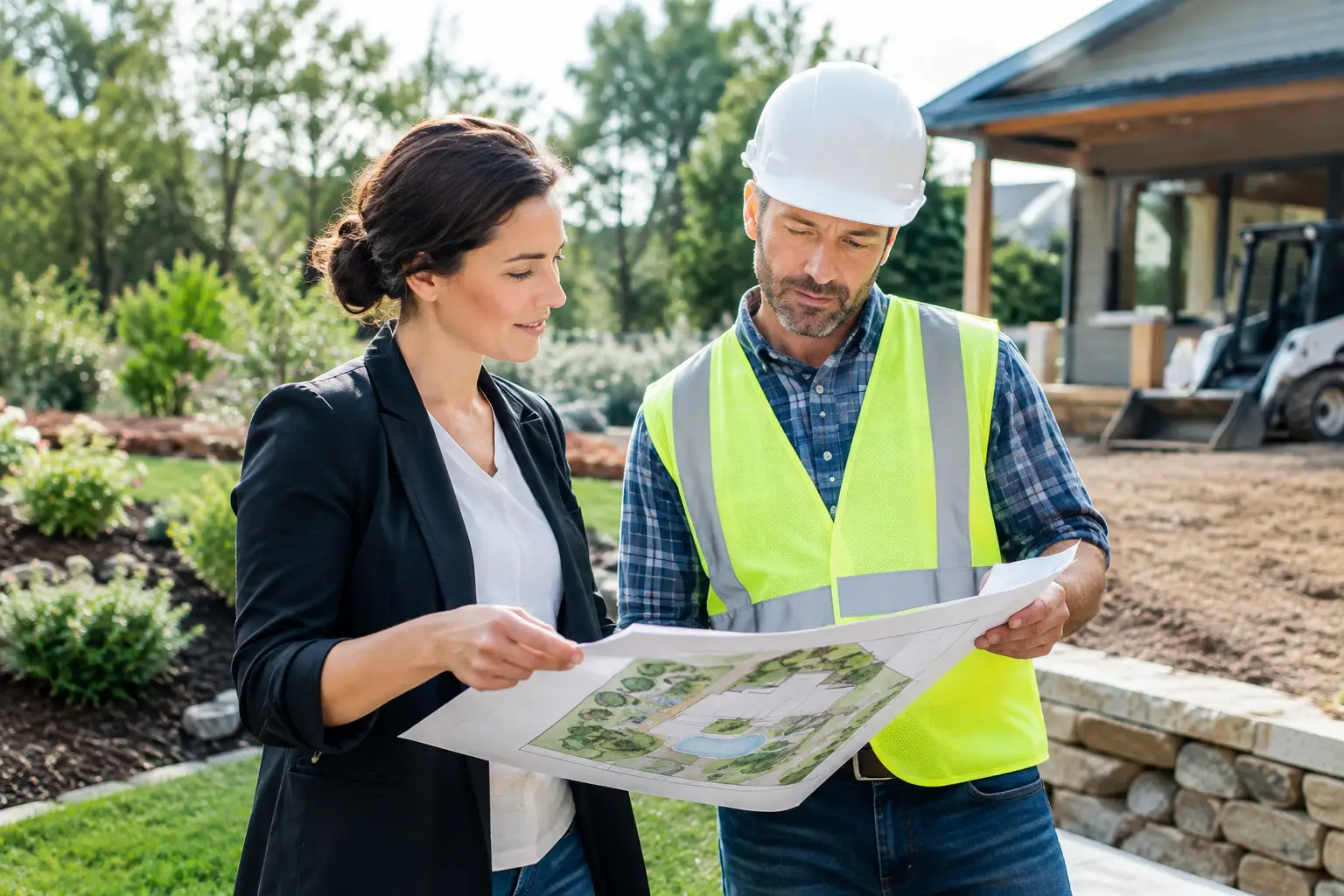
A beautiful backyard rarely comes together by accident. The patio may be inviting, the pool may sparkle, and the fire feature may feel perfectly placed, but those results depend on coordinated decisions made long before construction begins. When homeowners compare a landscape architect versus contractor, they are usually trying to answer a bigger question: who can turn a wish list into an outdoor space that looks exceptional, works beautifully, and feels made for their life?
The answer depends on the scale of your project, the complexity of your property, and how much you want to manage along the way. A landscape architect and a landscape contractor bring different strengths to the table. For a complete backyard transformation, understanding those roles can protect your investment and help you choose a path that feels as considered as the finished space.
Landscape Architect Versus Contractor: The Core Difference
At the simplest level, a landscape architect creates the plan, while a landscape contractor builds all or part of it. In practice, the line can be more nuanced. Some contractors offer in-house design, and some landscape architects remain involved during construction. Their primary responsibilities, however, are distinct.
A landscape architect is a design professional, often licensed by the state, who is trained to shape outdoor environments. Their work can include site analysis, grading concepts, drainage planning, planting plans, hardscape layouts, material selections, and construction documents. On more complex properties, they may help address elevation changes, drainage concerns, permitting requirements, access, and the way new features relate to the home and surrounding land.
A landscape contractor is focused on construction. They bring the labor, equipment, trade relationships, and field expertise needed to install patios, retaining walls, planting beds, irrigation, lighting, pools, kitchens, structures, and other outdoor features. A skilled contractor understands how materials perform in real conditions and how to build a space that is durable, properly supported, and finished with care.
Neither role is inherently better. The right choice comes down to what your project requires and how you want the process to unfold.
What a Landscape Architect Brings to the Project
A landscape architect is especially valuable when the property itself presents challenges or when the design must satisfy detailed regulatory requirements. Think of a sloped backyard, significant drainage issues, a large estate plan, an environmentally sensitive site, or a project where extensive permits and engineered details are expected.
Their work begins with the big picture. They consider circulation, views, grading, sun exposure, water movement, plant performance, and the relationship between indoor and outdoor living. The result may be a master plan that gives every area of the property a purpose, from the arrival experience at the driveway to a private pool terrace behind the home.
Homeowners should understand that not every person offering landscape design services is a licensed landscape architect. The title has specific legal meaning in many states. If credentials matter to your project, ask directly about licensing, scope of services, and experience with projects similar to yours.
What a Landscape Contractor Brings to the Project
A landscape contractor turns drawings and concepts into a finished environment. This is where technical craftsmanship matters: excavation, base preparation, drainage installation, masonry, construction sequencing, planting, irrigation, lighting, and final detailing all affect whether an outdoor space holds up over time.
An experienced contractor can also be a valuable problem-solver. Conditions below ground do not always match expectations. Soil may need stabilization, existing utilities may affect layout, or water may reveal a path that was not obvious during early planning. A capable construction team recognizes these realities and adjusts thoughtfully without losing sight of the intended design.
Many contractors also provide design services. The quality and depth of those services can vary, so ask to see completed projects, not only renderings. Look for work that feels balanced from every angle, with transitions between the home, hardscape, planting, and amenities that appear intentional rather than added one feature at a time.
When a Separate Design Professional Makes Sense
Hiring a landscape architect first can be a smart move when you need an independent, detailed plan before choosing a builder. It can also make sense if your project will be completed in phases over several years. A comprehensive plan can prevent a first-phase patio or pool from limiting what is possible later.
This route can be helpful for homeowners who want to bid a clearly defined scope to multiple contractors. It may provide a high level of design documentation and allow for more direct comparison of construction proposals.
There are trade-offs. A standalone design process may create extra handoffs between designer and builder. If the construction team was not involved in early decisions, a plan may need adjustment for actual site conditions, material availability, budget, or installation methods. A beautiful drawing is an excellent starting point, but it must still become a buildable, durable project.
For a smaller project, such as refreshing planting beds or replacing a modest walkway, the additional design layer may be unnecessary. A proven landscape contractor with a strong eye for proportion and materials may be the more efficient choice.
When a Design-Build Team Is the Better Fit
For homeowners planning a fully realized outdoor retreat, a design-build company can offer a more unified experience. One team guides the project from early concepts through construction, coordinating decisions that are easy to separate on paper but deeply connected in the field.
Consider a backyard with a custom pool, covered pavilion, outdoor kitchen, fireplace, patio, retaining walls, lighting, and planting. Each feature affects the others. The pool elevation influences drainage. The pavilion location affects views and shade. The kitchen needs circulation, utility planning, and a practical relationship to the house. Planting must soften the architecture without interfering with seating, sightlines, or maintenance.
When design and construction are connected, the team can evaluate aesthetics, function, and buildability at the same time. That can reduce surprises, streamline decision-making, and create clearer accountability. It also gives the homeowner one point of contact rather than a collection of separate trades to coordinate.
This approach is not just about convenience. It is about composition. A backyard feels elevated when the stone on the retaining wall relates to the pool coping, when the fire feature anchors the seating area, and when the planting adds texture without obscuring the architecture. Those relationships are what transform a collection of upgrades into a destination.
At Beyond Backyard Living, that connection between creative planning and artisan construction is central to the work. The goal is not simply to install premium features. It is to shape an outdoor setting where family dinners, quiet mornings, celebrations, and weekends at home feel more memorable.
Choose Based on Your Project, Not the Job Title
The best decision is rarely as simple as selecting a landscape architect or contractor by title alone. Start with the experience you want to create, then assess the level of planning, technical expertise, and project management needed to deliver it.
A landscape architect may be the right first call if your property has complicated grading, compliance requirements, or a large-scale master-planning need. A landscape contractor may be ideal for a focused construction project with a clear scope. A design-build team often fits homeowners who want a cohesive, high-end transformation without carrying the burden of connecting every design decision, trade, and construction phase themselves.
Before committing, ask who will develop the design, who will manage permits and site challenges, who will oversee construction daily, and how changes are handled if field conditions affect the plan. Ask to see projects that reflect the scale and style you want, especially work completed several years ago. Craftsmanship should look just as convincing after seasons of heat, rain, entertaining, and use.
Build the Backyard Around the Life You Want to Live
The strongest outdoor spaces begin with more than a list of products. A pool is different when it is framed by a lounge terrace designed for long afternoons. A pizza oven is more compelling when it belongs to a complete gathering space. A fire pit becomes a favorite destination when the seating, lighting, privacy, and views all invite people to stay awhile.
Choose the professional or team that can see those connections clearly and has the experience to carry them through construction. Your backyard should not feel like a series of separate purchases. It should feel like your home expanded into the open air, ready for the moments you want to make there.