Day: September 16, 2026

  • Custom Screened Lanais vs Insulated Covered Patios in Florida: Heat Reduction, Wind Load Ratings & Cost Comparison Guide

    Custom Screened Lanais vs Insulated Covered Patios in Florida: Heat Reduction, Wind Load Ratings & Cost Comparison Guide

    By Terrance Schabilion, Beyond Backyard Living – Custom Pool Builder Spring Hill FL

    Understanding the differences between custom screened lanais and insulated covered patios is crucial for homeowners looking to enhance their outdoor living spaces in Florida. Both structures offer unique benefits tailored to the specific climate of the region, including heat reduction, wind resistance, and crucial long-term value. As the demand for innovative outdoor living solutions continues to rise, the choice between these two options also greatly affects comfort and energy efficiency. In this guide, we’ll explore the advantages of each type in terms of their performance under Florida’s variable weather conditions, compliance with building codes, and cost considerations. Moreover, we’ll delve into practical insights on how these structures can be integrated with luxury features to create ideal outdoor environments.

    Screened Lanais vs Covered Patios
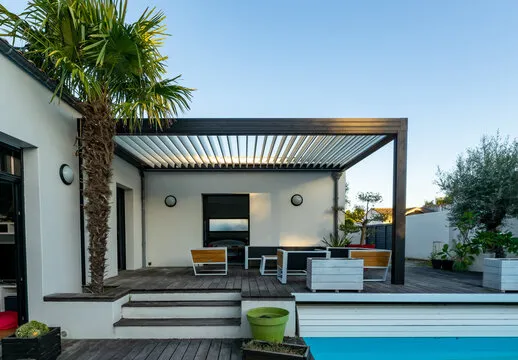
    Interior of a screened lanai in Florida demonstrating heat reduction and airflow optimization

    Screened lanais and insulated patios both provide significant heat reduction benefits that improve comfort in Florida’s warm climate. These outdoor structures are designed to maintain cooler internal temperatures by minimizing heat transfer from the outside. Screened lanais utilize mesh screens to allow airflow while keeping direct sunlight at bay, whereas insulated patios focus on thermal barriers that prevent heat absorption. This distinction not only reflects how effectively each structure manages heat but also indicates the long-term energy savings homeowners can expect.

    Which materials and design features improve patio heat reduction?

    Choosing the right materials and design features significantly enhances the heat reduction capabilities of screened lanais and insulated patios. Materials like insulated roofing boards, energy-efficient glazing, and specialized reflective coatings contribute to better thermal insulation. Additionally, design features such as strategic landscaping, ventilation systems, and shaded areas are vital in optimizing cooling performance. By effectively utilizing natural insulation methods and thermal barrier properties, both of these outdoor structures can offer a comfortable retreat from the heat.

    How do thermal performance and energy savings differ between screened lanais and insulated patios?

    The thermal performance and energy savings between screened lanais and insulated patios can vary widely, dictated largely by their design and material choices. Screened lanais generally offer immediate comfort due to their ability to promote airflow, which naturally cools the area. In contrast, insulated patios provide superior energy savings over time, as their thermal resistance significantly lowers reliance on air conditioning. According to recent reports, insulated structures can lead to utility savings of up to 30% during peak summer months, establishing a compelling argument for their energy-efficient design.

    What are Florida’s wind load building code requirements for screened lanais and insulated patios?

    Adhering to Florida’s stringent building codes is critical for the safe construction of screened lanais and insulated patios. The state’s wind load requirements are designed to ensure resilience against hurricanes and severe storms, impacting the design and materials used in these outdoor structures. Both screened lanais and insulated patios must be engineered to withstand specific wind speeds, which vary by region within Florida, ensuring durability and safety.

    How do wind resistance and ASCE 7 standards influence lanai and patio design?
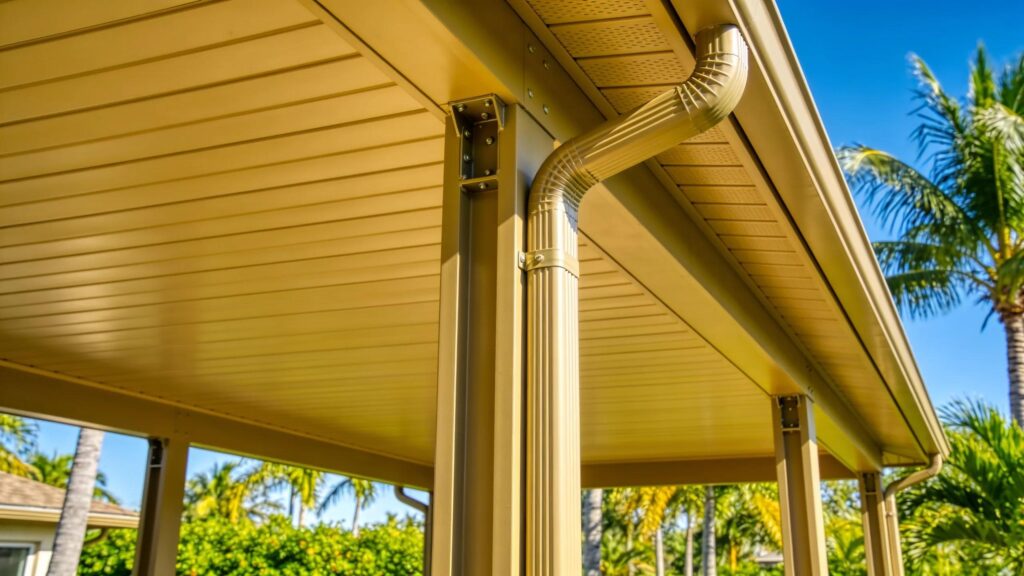
    Insulated patio cover in Florida highlighting structural integrity and wind resistance features

    The ASCE 7 standards, which provide guidelines for minimum design loads for buildings and other structures, play a vital role in the design of screened lanais and insulated patios. These standards dictate the structural integrity required for outdoor living solutions to withstand high winds. Incorporating ASCE 7 compliant materials and construction techniques not only ensures safety but also can enhance the overall aesthetics of the structure, making these outdoor spaces both functional and visually appealing.

    What are the practical wind load ratings and uplift resistance levels for these outdoor structures?

    Practical wind load ratings and uplift resistance levels are essential considerations when constructing outdoor structures in Florida. Generally, screened lanais are rated to withstand wind speeds of 120 mph or higher, while insulated patios are engineered to handle even greater forces due to their solid construction. Such capabilities ensure that these structures remain intact even under severe weather conditions, providing peace of mind for homeowners.

    How do the costs and long-term values of insulated patios compare to screened lanais in Florida?

    When evaluating costs, it is essential to consider both the initial investment and the long-term value these structures bring to residential properties. Screened lanais typically have a lower initial cost due to their simpler construction compared to insulated patios, which may require a more significant upfront investment in high-quality materials and efficient designs.

    What initial costs and warranties are typical for custom screened lanais versus insulated patios?

    The initial costs for custom screened lanais generally start around $10,000, varying based on size, materials, and features, while insulated patios often begin at prices exceeding $15,000. Warranty options also differ, with screened lanais frequently offering standard 1-2 year warranties and insulated patios typically providing extended warranties that can last up to 10 years, reflecting their durability and investment potential.

    How do energy savings and maintenance plans affect the overall patio investment?

    Energy savings and maintenance plans play a significant role in determining the overall return on investment for both screened lanais and insulated patios. Insulated patios typically offer greater energy efficiency, leading to lower utility bills over time. Furthermore, reduced maintenance requirements for high-quality insulated materials can result in long-term savings, enhancing their appeal as smart investments for Florida homeowners.

    Which luxury outdoor living features can integrate with screened lanais and insulated patios?

    The integration of luxury outdoor living features can dramatically enhance the enjoyment and functionality of screened lanais and insulated patios. When paired with custom pools, grottos, or waterfall features, these structures become focal points of entertainment and relaxation.

    How do custom pools, grottos, and waterfall features enhance outdoor living spaces?

    Custom pools and water features add both aesthetic allure and practicality to outdoor spaces. Integrating a grotto or waterfall feature not only creates a stunning visual but also offers therapeutic benefits through the soothing sounds of flowing water. These luxury additions elevate the overall enjoyment of screened lanais and insulated patios, making them ideal spots for gatherings and family activities.

    What role do pergolas and outdoor kitchens play in luxury patio design?

    Incorporating pergolas and outdoor kitchens completes the luxury persona of screened lanais and insulated patios. Pergolas offer shaded areas that invite relaxation while blending seamlessly with garden aesthetics, enhancing appeal. Outdoor kitchens further enrich the entertaining experience, providing a practical solution for al fresco dining and cooking, enabling homeowners to enjoy their outdoor living spaces year-round.
  • Custom Outdoor Kitchen Countertops in Florida: Heat and Stain Resistance Comparison of Dekton, Granite, and Concrete

    Custom Outdoor Kitchen Countertops in Florida: Heat and Stain Resistance Comparison of Dekton, Granite, and Concrete

    By Terrance Schabilion, Beyond Backyard Living – Custom Pool Builder Spring Hill FL

    When it comes to outdoor kitchen countertops, selecting the right material can make a significant difference, especially under the unique climate conditions of Florida. This guide compares the heat and stain resistance of three popular materials: Dekton, granite, and concrete. Each material has its own set of characteristics that can impact its performance and longevity in outdoor settings. Understanding these differences can help homeowners in Florida make an informed choice for their outdoor kitchen, ensuring both aesthetic appeal and durability. We will explore the heat resistance, stain resistance, and maintenance requirements of each material. Furthermore, this article will address which countertop material performs best as well as offer insights into how Beyond Backyard Living Creations can assist in creating the perfect outdoor kitchen.

    Heat Resistance:

    Heat resistance is a crucial factor when selecting outdoor kitchen countertops, particularly in warm climates like Florida. Dekton is known for its exceptional heat resistance, capable of withstanding high temperatures without damage. Granite also provides solid heat resistance and is suitable for outdoor use; however, it can be sensitive to rapid temperature changes. Concrete countertops offer decent heat resistance but may be prone to cracking if exposed to extreme heat for prolonged periods.

    Stain Resistance:

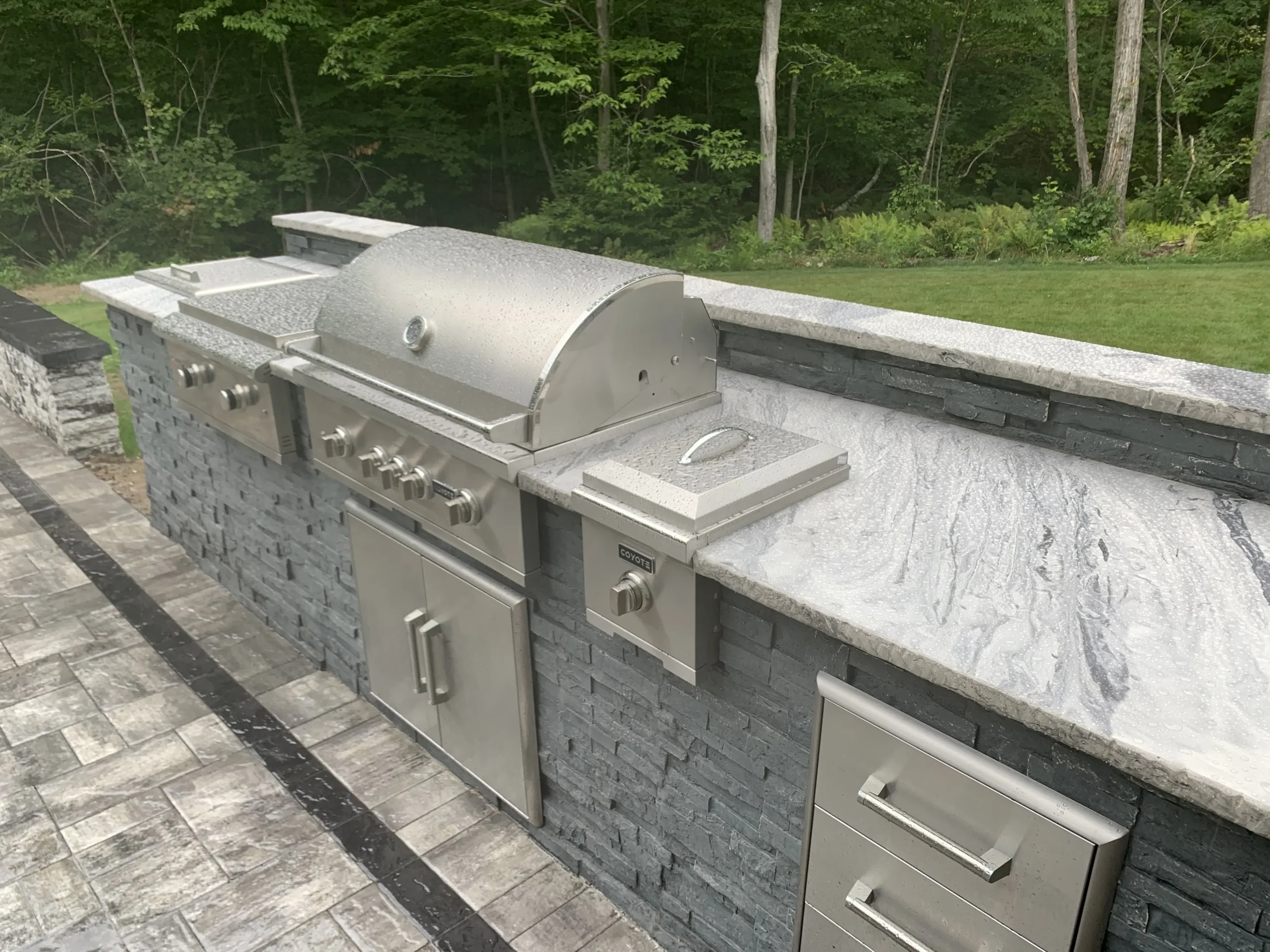
    Custom luxury outdoor kitchen with stainless steel appliances and stone countertop, poolside entertainment space.

    Stain resistance varies widely among outdoor countertop materials. Dekton is non-porous, providing superior stain resistance compared to granite, which, despite its strength, is porous and can absorb liquids, potentially leading to stains. Concrete surfaces require sealing to protect against liquid penetration, making regular maintenance essential for stain prevention.

    Durability:

    Durability is another vital consideration for outdoor kitchen countertops. Dekton is extremely durable, resisting scratching and UV fading, making it an excellent choice for sunny, humid climates. Granite is also durable but may chip or crack if not properly maintained. Concrete, while sturdy, requires more attention to prevent cracking, particularly in high-temperature scenarios or if heavy objects are dropped on it.

    Maintenance Requirements:

    Different countertop materials come with varying maintenance needs:

    1. Dekton: Requires minimal maintenance, making it convenient for busy homeowners.
    2. Granite: Needs periodic sealing to maintain its appearance and prevent stain absorption.
    3. Concrete: Requires regular sealing and occasional repairs to prevent damage.

    Beyond Backyard Living Creations specializes in providing tailored solutions for outdoor kitchen installations, ensuring that your countertops are both beautiful and practical.

    Which Outdoor Kitchen Countertop Material Resists Florida Heat Best?

    When assessing the ideal material for Florida’s heat, Dekton stands out as the top choice due to its remarkable heat resistance. Granite, while a strong contender, also performs well; however, its susceptibility to cracking under extreme temperature shifts makes it slightly less suitable. Concrete, while functional, is less favorable compared to the other two because of its sensitivity to heat.

    How Does Dekton Perform Under Florida’s High UV and Heat Conditions?

    Dekton demonstrates excellent performance under Florida’s sun, maintaining its vibrant colors and structural integrity despite UV exposure and high humidity levels. Its resistance to UV light prevents fading, allowing it to retain its newly installed look over time.

    What Are Granite’s Heat Resistance and Maintenance Needs in Florida?

    Granite can withstand Florida’s heat effectively, but it requires consistent maintenance, including sealing every 1-2 years to protect its porous surface. This care helps shield it from potential stains and preserves its aesthetic appeal.

    How Stain Resistant Are Dekton, Granite, and Concrete Countertops in Humid Climates?

    In humid climates, Dekton’s non-porous nature gives it a significant edge in stain resistance. Granite’s porous structure necessitates sealing to prevent stains, which can be challenging in humid conditions. Concrete surfaces must be properly sealed to avoid moisture damage and staining.

    What Maintenance is Required for Florida Outdoor Countertops Made from Dekton, Granite, and Concrete?

    Outdoor countertops demand regular upkeep to maintain performance and appearance:

    • Dekton: Simple routine cleaning with a non-abrasive cleaner.
    • Granite: Requires checks for wear and regular resealing.
    • Concrete: Needs frequent inspections and sealing to prevent moisture damage.

    Which Cleaning and Sealing Practices Extend Dekton Countertop Lifespan?

    To maximize the lifespan of Dekton countertops, owners should:

    1. Use non-abrasive cleaners to avoid scratches.
    2. Avoid harsh chemical treatments that can damage the surface.
    3. Keep the surface dry to prevent moisture accumulation.

    Why Is Regular Sealing Essential for Granite and Concrete Outdoor Surfaces?

    Failing to seal granite and concrete can lead to a variety of problems. Neglect may result in staining, mold growth, and reduced durability. Regular sealing not only enhances the protective qualities of these materials but also maintains their visual appeal.

    How Does Beyond Backyard Living Creations Deliver Turnkey Outdoor Kitchen Countertops in Florida?

    Beyond Backyard Living Creations offers a turnkey process for outdoor kitchens that encompasses every stage of development. Starting with personalized consultations to understand homeowner needs, the service includes high-quality materials and expert craftsmanship throughout the design and installation phases.

    What Steps Are Included from 3D Design to Installation and Warranty?

    The process begins with an initial 3D visualization to help clients envision their outdoor kitchen. Post-visualization, construction adheres to strict guidelines to ensure quality. Upon installation, a warranty covers any potential issues, affirming commitment to customer satisfaction.

    How Do Warranty and Maintenance Plans Relate to Material Performance?

    Extended maintenance plans are often associated with high-quality materials, ensuring longevity and performance. Warranties reflect the resilience and durability of selected materials, supporting homeowners in making informed choices that align with their lifestyle expectations.

  • Custom Inground Pool Lighting & Color LED Choreography in Florida: Engineering, Lumens & Voltage Guide by Beyond Backyard Living

    Custom Inground Pool Lighting & Color LED Choreography in Florida: Engineering, Lumens & Voltage Guide by Beyond Backyard Living

    By Terrance Schabilion, Beyond Backyard Living – Custom Pool Builder Spring Hill FL

    Custom inground pool lighting is crucial for enhancing outdoor spaces, creating a beautiful ambiance while ensuring safety and functionality. This guide will explore the essential engineering standards, luminous performance, and voltage considerations for LED pool lighting systems in Florida, as well as the exciting world of color LED choreography that can transform your backyard into a vibrant oasis. A common challenge for homeowners is integrating effective lighting systems while adhering to safety codes and maximizing aesthetic appeal. This article aims to provide insights into how to navigate these aspects successfully.

    We will delve into key areas, including engineering standards for LED pool lighting, the impact of lumens and voltage, techniques for programming color-changing lights, and the turnkey installation process. By understanding these factors, you can create a stunningly illuminated pool area that complements your lifestyle.

    What Are the Essential Engineering Standards for LED Pool Lighting in Florida?

    Engineering standards for LED pool lighting in Florida are critical to ensure safety and longevity. Florida’s warm climate necessitates various considerations when installing lighting systems, emphasizing the need for compliance with state regulations. Adhering to the National Electrical Code (NEC) and Florida Building Code (FBC) is essential for effective and safe installations. Meeting these standards ensures that your lighting system is robust enough to withstand the elements while providing adequate illumination.

    How Do Lumens and Voltage Affect Pool Lighting Performance and Safety?

    Lumens measure the brightness of a light source, playing a vital role in the overall performance of pool lighting. A higher lumen count indicates more light output, crucial for pool safety and aesthetics. Voltage affects how efficiently lights operate; using the correct voltage ensures optimal performance, minimizing the risk of electrical issues. Proper lumens and voltage levels help create a safe and inviting environment around the pool, allowing for enjoyable evening swims.

    Additionally, multi-zone lighting automation allows dedicated lighting channels to synchronize seamlessly with an integrated pool and spillover spa design, offering tailored illumination that highlights both the pool and spa features harmoniously.

    Which Florida Codes and Electrical Requirements Govern Pool Lighting Systems?

    Compliance with specific Florida codes is paramount when installing pool lighting systems. Key regulations include maintaining safe distances from water and using approved materials to prevent electrical hazards. Failing to adhere to these codes can lead to serious safety risks and potential legal issues. Contractors and homeowners must familiarize themselves with local laws to ensure every installation complies with safety standards while delivering quality lighting solutions.

    How Does Color LED Choreography Enhance Custom Pool Lighting Designs?

    Color LED choreography significantly elevates the aesthetic appeal of custom pool lighting designs. It allows homeowners to create vibrant displays that can be synchronized with music or themed events, enhancing the overall experience. By incorporating dynamic color changes, these lighting systems can transform a typical pool setting into a mesmerizing atmosphere, perfect for gatherings and celebrations.

    LED choreography pairs beautifully with custom swimming pool water features including sheer descents, deck jets, and scuppers, adding captivating light effects that highlight the motion and flow of water, creating an immersive and dynamic outdoor ambiance.

    What Are the Techniques for Programming Color-Changing LED Pool Lights?

    Programming color-changing LED pool lights can involve various techniques, utilizing software or remote control systems that allow users to customize lighting patterns and colors. Options can include pre-set themes, dynamic changes that respond to environmental stimuli, or user-defined sequences. Incorporating smart technology enables easy adjustments via mobile applications, ensuring that your outdoor lighting can adapt to any occasion effortlessly. Color light sequencing and scheduling are integral components that integrate seamlessly into smart pool automation systems, allowing homeowners to program and automate dynamic lighting effects as part of their overall pool management.

    Modern advancements in automated lighting allow for seamless transitions and dynamic lighting sequences that elevate outdoor ambiance.

    Wireless LED Control Systems for Pool Lighting Choreography

    In this stage, LEDs are directly controlled by the tool via wireless communication.

    Lighting choreographer: An LED control system for dance performances, T Terada, 2011

    How Can LED Choreography Be Integrated with Pool and Hardscape Features?

    Integrating LED choreography with pool and hardscape features creates a cohesive lighting design that enhances the visual appeal of the outdoor space. Techniques may include synchronizing lights with natural elements, such as water features or landscaping. Additionally, thoughtful placement of lighting in relation to steps, walls, and vegetation improves safety and ambiance, ensuring all aspects of the yard work together harmoniously.

    What Is the Turnkey Process for Installing Custom Inground Pool Lighting Systems?

    The turnkey process for installing custom inground pool lighting systems involves several essential steps, ensuring a seamless and efficient project from conception to completion. This method covers everything from initial design consultations to final installations, enabling clients to enjoy a hassle-free experience.

    How Does 3D Design Visualization Support Lighting Engineering and Construction?

    3D design visualization plays a crucial role in the planning and execution stages of lighting installations. By using advanced visualization tools, clients can preview the lighting effects and overall layout before installation occurs. This proactive approach ensures that aesthetic choices and practical elements, such as wiring and fixture placement, align seamlessly with the owner’s vision.

    What Are the Steps from Electrical Evaluation to Final Installation?

    1. Electrical Assessment: Evaluating existing infrastructure for compatibility with new lighting systems.
    2. Design Planning: Creating layout designs to maximize lighting effects and efficiency.
    3. Installation: Executing the installation under strict adherence to safety and compliance standards, ensuring that all regulatory requirements are met.
    4. Final Check: Conducting inspections to verify services meet operational standards and aesthetic preferences.

    This meticulous process guarantees that the lighting system performs effectively while enhancing the overall outdoor space.

    Why Choose Beyond Backyard Living for Luxury LED Pool Lighting in Florida?

    Choosing Beyond Backyard Living for your luxury LED pool lighting needs comes with numerous advantages. Our commitment to quality and customization empowers homeowners to realize their unique visions, ensuring every detail is tailored to your preferences. Known for our professional installations and dedication to client satisfaction, we have a proven track record of delivering exceptional results.

    What Warranty and Maintenance Plans Ensure Long-Term Lighting Performance?

    We offer comprehensive warranty and maintenance plans designed to support the longevity of your lighting systems. Our warranties often cover parts and labor, providing peace of mind to clients for years to come. Routine maintenance checks help identify potential issues before they escalate, ensuring that your lighting remains in top condition.

    How Has Beyond Backyard Living Integrated Advanced Engineering into Lighting Solutions?

    Beyond Backyard Living blends advanced engineering techniques with aesthetic design, employing cutting-edge technology in our lighting solutions. From energy-efficient LEDs to sophisticated lighting control systems, our offerings demonstrate a commitment to quality. This forward-thinking approach not only enhances functionality but also contributes to energy savings, aligning with a sustainable lifestyle.

    To complement your illuminated outdoor space, we also offer the Beyond Base Elite System for unmatched structural support in your hardscapes.

  • Custom Swimming Pool Waterfalls & Grottos in Florida: Luxury Natural Boulders, Hydraulics, and Cost Guide

    Custom Swimming Pool Waterfalls & Grottos in Florida: Luxury Natural Boulders, Hydraulics, and Cost Guide

    By Terrance Schabilion, Beyond Backyard Living – Custom Pool Builder Spring Hill FL

    Creating a custom swimming pool that incorporates stunning waterfalls and grottos transforms an outdoor space into a luxurious retreat. In Florida, where the climate encourages outdoor living, the appeal of natural boulders and sophisticated hydraulic systems enhances not only the aesthetic but also the functionality of pools. This article aims to provide a comprehensive guide on custom swimming pool waterfalls and grottos, detailing their key features, hydraulic systems, and cost considerations, while emphasizing the elegance they bring to backyard spaces. We will also explore how investing in these luxury features can increase property value.

    The following sections will cover key features of custom pool designs, the engineering behind hydraulic systems, an overview of costs, and why investing in luxury pool features can be beneficial. By the end, you will have a clearer understanding of what it takes to create a breathtaking outdoor living space in the Sunshine State.

    Key Features

    Custom swimming pool waterfalls and grottos are defined by several distinctive features that elevate their charm and functionality. These installations often replicate the natural beauty found in high-end resorts, creating a serene environment for relaxation and recreation.

    A primary characteristic of these custom rock waterfalls is their integration with existing landscaping, using natural stone finishes that blend seamlessly into the setting. Grottos add an enchanting element by providing shaded areas where swimmers can enjoy privacy and escape the sun.

    Additionally, resort-style waterfall features typically include free-flowing water, enhancing the auditory experience and adding a dynamic visual element to the swimming area. The incorporation of integrated lighting can also offer a stunning nighttime ambiance, transforming the pool area into a magical setting.

    Hydraulic Systems

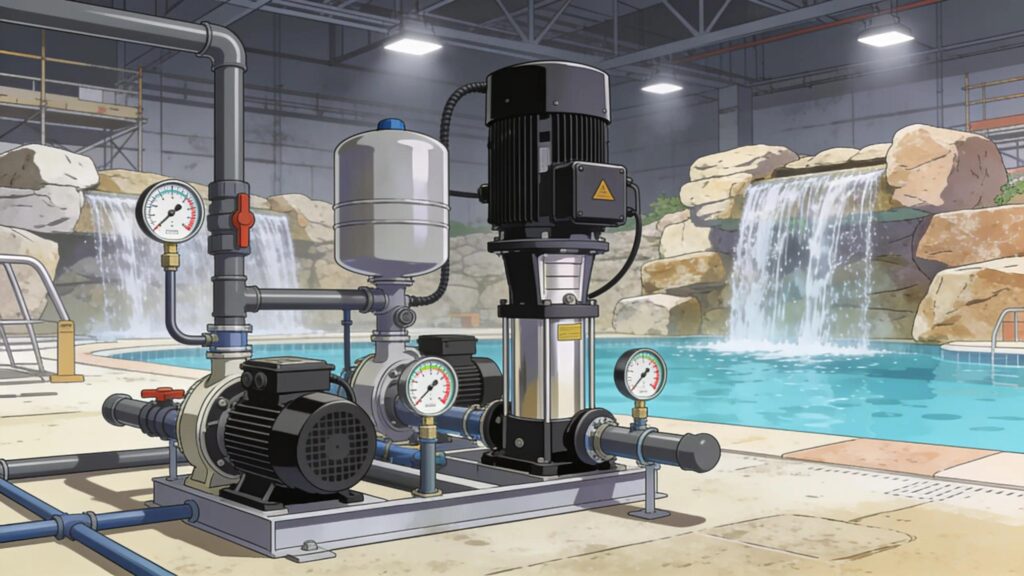
    Hydraulic system setup for a custom swimming pool waterfall with booster pumps and piping

    Hydraulic systems play a crucial role in the functionality and performance of swimming pool waterfalls and grottos. These systems ensure that water circulates effectively, enabling features to function smoothly while maintaining a pristine pool environment.

    Quality hydraulic systems facilitate water flow through pumps, filtration systems, and returns, providing effective water management. By utilizing reliable pumps and properly calibrated water features, these systems also showcase energy efficiency, reducing operational costs over time.

    Moreover, the engineering of these hydraulic systems ensures that they can handle variations in water volume and pressure, which is essential for maintaining the aesthetics of waterfalls and grottos. Understanding this technical aspect allows pool owners to appreciate the craftsmanship behind these luxury installations.

    Cost Overview

    Investing in custom pool features can vary significantly based on several factors, including the complexity of the design, materials used, and the installation process.

    The average cost for luxury custom pools in Florida typically ranges from $60,000 to $120,000. Here are some key considerations that influence pricing:

    FeatureCost EstimateFactors Influencing Price
    Waterfalls$10,000 – $25,000Size, material, and complexity
    Grottos$15,000 – $30,000Design intricacy and material selection
    Hydraulic Systems$5,000 – $15,000Quality of components and installation
    Overall Pool Design$20,000 – $50,000Features and landscaping considerations

    Beyond aesthetics, these investments in custom features can also significantly enhance property value. Homebuyers are often drawn to homes offering luxurious outdoor environments, which include well-designed outdoor living areas with waterfalls and grottos.

    Custom swimming pool waterfalls and grottos offer an opportunity to enhance the beauty and functionality of outdoor living spaces in Florida. Beyond their stunning appearance, these features incorporate advanced hydraulic systems that ensure optimal performance. As homeowners increasingly seek to enhance their properties’ value, investing in these luxurious additions proves to be a worthwhile decision. When considering your next outdoor project, it’s essential to explore the extensive options available to create the perfect backyard oasis.

    What Are Custom Luxury Pool Waterfalls and Grottos in Florida?

    Custom luxury pool waterfalls and grottos refer to tailor-made water features that are designed to integrate seamlessly with a swimming pool environment. These installations are often characterized by their use of natural elements, such as boulders and stones, which reflect the beauty of Florida’s natural landscape.

    The key design features of these water features include realistic rock formations that resemble natural waterfalls, creating an immersive experience. Benefits include not only aesthetic enhancement but also the potential for increased privacy in pool areas through grotto structures. The choice of materials often includes locally sourced stone types, which add durability and a unique charm.

    Which Natural Boulders and Stone Types Are Used For Pool Water Features?

    When designing custom waterfalls and grottos, the choice of natural boulders and stone types significantly impacts the overall look and feel of the installation. Commonly used materials include:

    • Limestone: Known for its aesthetic appeal and durability, limestone is a popular choice for creating waterfalls that blend with natural surroundings.
    • Granite: This robust stone provides longevity and offers striking visual characteristics, making it suitable for high-impact areas.
    • Fieldstone: A versatile material that can be shaped in various designs, fieldstone adds a rustic touch to pool features.

    Using locally sourced materials not only enhances the authenticity of the installation but also supports sustainable practices.

    What Defines Resort-Style Outdoor Pools with Water Features?

    Resort-style outdoor pools are defined by their luxurious and inviting features, which often include integrated waterfalls, grottos, and landscaped areas that create a vacation-like atmosphere at home. Key characteristics include:

    1. Diverse Water Features: A combination of waterfalls, fountains, and grottos that create dynamic water flows enhance the sensory experience of the pool.
    2. Integrated Landscaping: Rich plant life around the pool area complements the stonework, mimicking the aesthetics of a natural oasis.
    3. Amenities and Seating Areas: Comfortable poolside furnishings, fire pits, and outdoor kitchens can further enhance the outdoor living experience, contributing to a resort-like ambiance.

    These elements work together to create a captivating environment that encourages relaxation and enjoyment.

    How Are Hydraulic Systems Engineered for Custom Pool Waterfalls?

    The engineering of hydraulic systems for custom pool waterfalls involves a careful selection of components and design principles that ensure optimal performance. Key considerations in this engineering process include:

    • Pump Specifications: The choice of pump impacts the flow rate and pressure required for the waterfall feature. Higher-quality pumps improve efficiency and reduce energy consumption.
    • Pipeline Layout: Efficient routing of pipelines ensures minimal friction loss and proper water management from the pump to the waterfall.
    • Control Systems: Advanced control mechanisms allow for customizable flow settings, enabling homeowners to adjust the water’s volume and pressure according to preference.

    The combination of these elements results in reliable and visually appealing water features, enhancing the overall functionality of the pool setup.

    What Is the Cost to Build a Custom Pool Grotto or Waterfall Feature in Florida?

    Building a custom pool grotto or waterfall feature in Florida entails various costs that can depend on several key factors. For instance, the average cost for such structures typically falls within the $15,000 to $35,000 range, depending on the complexity of the design and the materials used. Key factors that can influence these costs include:

    • Design Complexity: Intricate designs with multiple water features will naturally increase labor and material costs.
    • Material Selection: The choice of high-quality stones or boulders will contribute to the overall price; however, they also enhance the feature’s durability and aesthetic.
    • Installation Considerations: Access to the site and the grading required for installation can also impact the total expense.

    Understanding these cost variables allows prospective buyers to budget effectively for their custom aquatic features.

    How Does Investing in Luxury Pool Water Features Impact Property Value?

    The presence of luxury pool features, such as waterfalls and grottos, has a notable impact on property value. Key benefits include:

    • Increased Aesthetic Appeal: Unique water features create visually stunning environments that attract potential buyers.
    • Enhanced Outdoor Living Experience: Homeowners appreciate the added recreational opportunities, which make properties more desirable.
    • Higher Resale Value: Homes equipped with luxurious outdoor amenities tend to command higher offers in competitive markets.

    As a result, investing in these custom installations not only enhances personal enjoyment but can also yield significant returns when it comes time to sell.

    What Does the Turnkey Project Process Include for Luxury Pool Waterfalls?

    The turnkey project process for luxury pool waterfalls encompasses several stages that ensure a seamless experience from design to completion. Key phases include:

    1. Consultation and Design: Initial discussions with experts help outline clients’ visions, allowing for tailored designs.
    2. Material Selection: Homeowners can choose from various natural stones and embellishments that align with their aesthetic preferences.
    3. Installation: Expert teams handle the construction of waterfalls and grottos, ensuring adherence to design specifications.
    4. Final Walkthrough and Maintenance Overview: Upon completion, clients receive guidance on maintenance and care for their new water features.

    This comprehensive process aims to deliver not just a product, but an enjoyable experience, empowering homeowners to realize their outdoor dreams.

    How Is 3D Design and Engineering Integrated in Custom Pool Construction?

    3D design and engineering have revolutionized the way custom pool features are planned and executed. By utilizing advanced software, designers can create detailed visualizations that enhance the planning process. Benefits of implementing 3D technology include:

    • Enhanced Visualization: Homeowners gain a clear perspective of how waterfalls and grottos will integrate with their existing landscapes.
    • Accurate Measurements: Precise dimensions ensure that each element fits seamlessly, reducing the likelihood of costly adjustments during installation.
    • Increased Client Engagement: Interactive designs promote better communication between clients and designers, resulting in more satisfactory outcomes.

    The integration of 3D technology ultimately streamlines the construction process while fostering creativity.

    What Warranty and Maintenance Services Support Custom Water Features?

    Warranties and maintenance services play a vital role in ensuring the longevity of custom pool waterfalls and grottos. Key considerations include:

    • Warranty Types: Many contractors offer warranties covering materials and workmanship, providing peace of mind for homeowners.
    • Regular Maintenance: Periodic maintenance checks help preserve the functionality and beauty of water features, addressing potential issues before they escalate.
    • Expert Care: Engaging specialized maintenance services can extend the lifespan of these luxury features, optimizing their performance and appearance over time.

    A proactive approach to maintenance can significantly enhance the enjoyment of customized water features, ensuring they remain an asset to the property.

  • Custom Outdoor Showers & Poolside Privacy Enclosures in Florida: Plumbing, Materials & Code Guide for Luxury Backyard Living

    Custom Outdoor Showers & Poolside Privacy Enclosures in Florida: Plumbing, Materials & Code Guide for Luxury Backyard Living

    By Terrance Schabilion, Beyond Backyard Living – Custom Pool Builder Spring Hill FL

    Creating the perfect outdoor space in Florida extends beyond aesthetics; it necessitates careful attention to plumbing codes, material quality, and compliance with local regulations. This comprehensive guide focuses on custom outdoor showers and poolside privacy enclosures, detailing the pertinent plumbing requirements and offering insight into premium materials suited for Florida’s unique climate. As homeowners seek to enhance their “outdoor living spaces”, understanding these elements becomes crucial in crafting an inviting atmosphere that maintains functionality and adheres to safety standards. In this article, we’ll explore essential topics, including Florida plumbing codes, material recommendations, design integration into resort-style pools, and maintenance plans that protect your investment.

    What Are Florida Plumbing Codes and Permit Requirements for Outdoor Showers?

    Florida’s plumbing codes are critical in ensuring that outdoor installations are safe and reliable. These regulations ensure proper drainage, prevent cross-contamination, and safeguard the health and safety of users. When installing custom outdoor showers, homeowners must adhere to these codes and understand the necessary permit requirements to avoid fines and ensure compliance with state laws.

    Which Florida regulations govern outdoor shower plumbing installations?

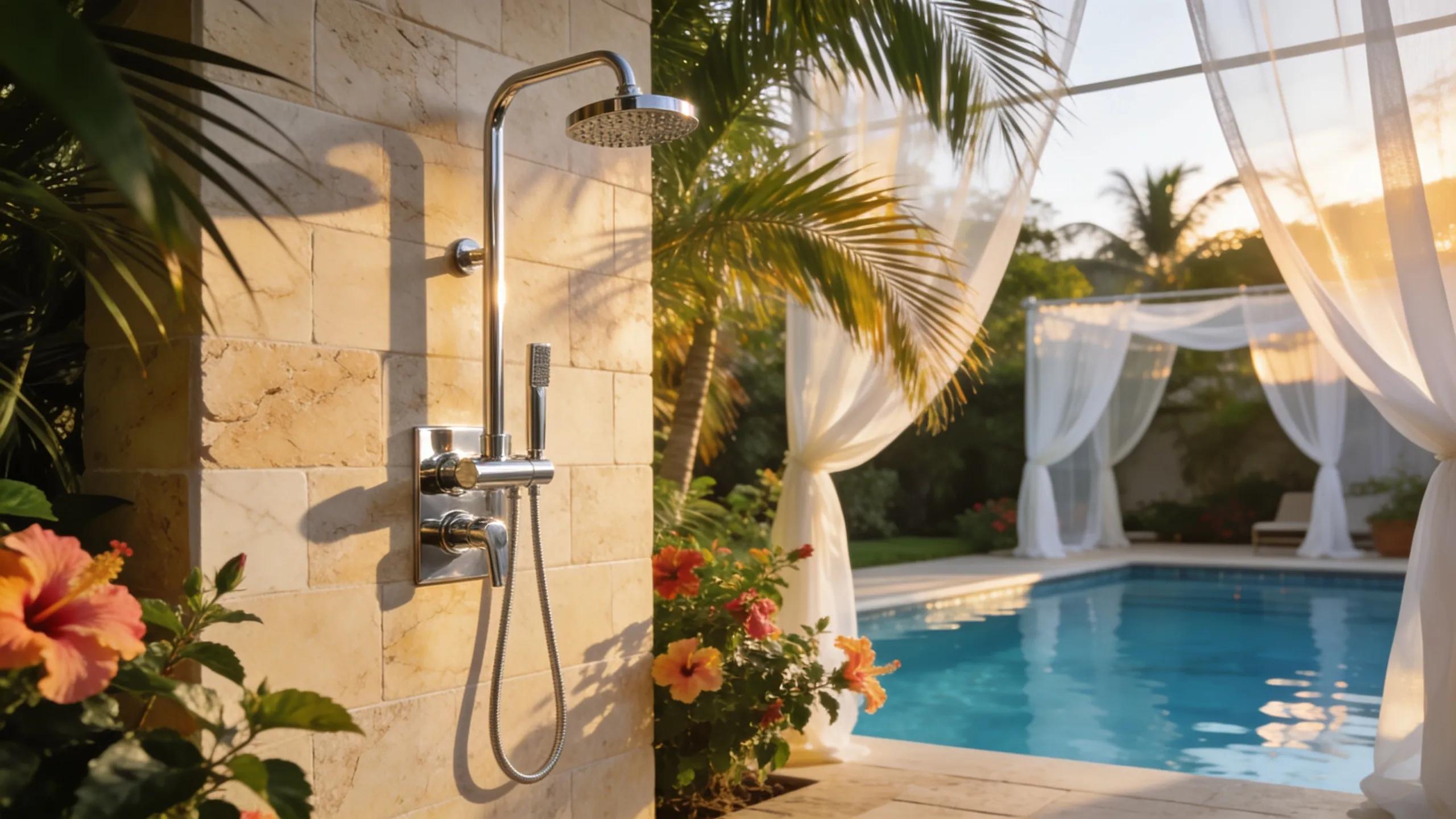
    The regulations that govern outdoor shower plumbing installations in Florida are established to maintain safety and hygiene. Key regulations typically include compliance with the Florida Building Code, which dictates guidelines for water supply, drainage systems, and plumbing fixtures. Additionally, the regulations specify how to properly connect outdoor showers to existing plumbing to prevent any unwanted backflow or contamination issues. These regulations are designed to protect both homeowners and the environment while ensuring that all installations are executed properly. Outdoor shower plumbing often integrates seamlessly with broader property plumbing systems, such as outdoor kitchen plumbing, prep sinks, and drainage, allowing for efficient use of water supply and drainage infrastructure across multiple outdoor living features.

    What permits are needed for custom poolside showers and enclosures?

    When planning to install custom poolside showers and enclosures, securing the proper permits is essential. Homeowners generally need to obtain a building permit that confirms compliance with state and local regulations. This process often requires submitting detailed plumbing plans along with diagrams explaining how the proposed structures will interact with existing utilities. Acquiring the appropriate permits not only ensures legal compliance but also enhances the safety and longevity of the installed features.

    Which Premium Materials and Construction Methods Ensure Durability for Poolside Privacy Enclosures?

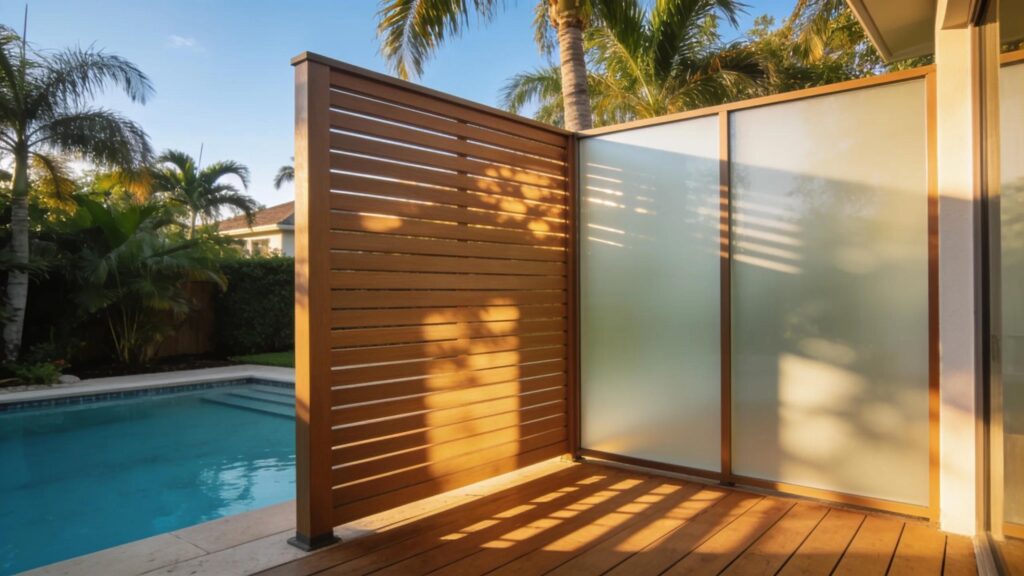
    Poolside privacy enclosure made of composite wood and frosted glass, enhancing outdoor living in Florida's luxury environments

    Selecting the right materials and construction methods is vital for longevity and aesthetic appeal. In Florida’s humid climate, materials must withstand harsh weather conditions while providing comfort and privacy. By choosing premium materials, homeowners can enhance both the durability and beauty of their poolside enclosures.

    What are the pros and cons of natural stone, teak wood, and composite materials?

    When deciding on materials for poolside privacy enclosures, homeowners often consider natural stone, teak wood, and composite materials due to their unique benefits and drawbacks:

    • Natural Stone: Offers unparalleled durability and aesthetic appeal, but it can be expensive and requires careful installation to address weight and drainage considerations.
    • Teak Wood: Renowned for its remarkable weather resistance and natural oils, preventing rot and decay, but maintenance is required to retain its appearance, particularly in a humid environment.
    • Composite Materials: These engineered products mimic the look of natural materials while providing enhanced durability and resistance to weathering. They require less maintenance but may not offer the same organic aesthetic as wood or stone.

    Choosing the right material depends on individual preferences and the specific requirements of the installation.

    How do premium pavers and drainage solutions enhance enclosure longevity?

    In addition to selecting quality materials, the integration of premium pavers and effective drainage solutions is essential for prolonging the life of poolside enclosures. Quality pavers ensure stability and create a level surface for enclosures, enhancing the overall aesthetic and functionality. Expertly designed “drainage solutions” prevent water accumulation around enclosures, safeguarding against damage from moisture-related issues and corroding structures. Properly executed drainage solutions protect both the enclosure and the surrounding landscape, ensuring a sustainable investment.

    Privacy walls often serve as a transitional element connecting poolside spaces with other outdoor structures. They work harmoniously with pool cage screen enclosures vs solid roof lanai extensions, providing flexibility in design by enhancing privacy without compromising airflow or natural light. This integration allows homeowners to tailor their pool area’s enclosure style, combining privacy walls with screened or solid roof elements to match aesthetic preferences and functional needs.

    How Do Luxury Outdoor Showers and Privacy Enclosures Integrate into Resort-Style Pool Designs?

    Luxury outdoor features such as showers and privacy enclosures seamlessly blend into resort-style pool designs, creating a cohesive and inviting atmosphere. Incorporating these features enhances the overall functionality and enhances the homeowner’s experience, turning the backyard into an oasis.

    Compact outdoor showers pair seamlessly with custom plunge pools and cocktail pools, optimizing limited spaces while maintaining high style and convenience. This combination creates intimate and functional backyard retreats ideal for small yard layouts or cozy poolside zones.

    What design trends highlight grottos, waterfalls, pergolas, and outdoor kitchens?

    Current design trends emphasize the integration of natural elements and water features to create an immersive outdoor experience. Grottos and waterfalls enhance the aesthetics of luxury pools, while pergolas provide shaded outdoor lounges. Outdoor kitchens facilitate entertaining and dining, merging functionality with luxury. These features collectively contribute to a resort-like ambiance, making outdoor spaces more attractive and enjoyable.

    How does 3D design software support seamless client concept-to-completion projects?

    The use of 3D design software revolutionizes the way outdoor spaces are visualized and executed. This technology allows homeowners and designers to collaborate effectively from concept to completion, creating detailed and realistic representations of proposed projects. By using such tools, clients can visualize how luxury showers, enclosures, and other features will fit within their overall design, ensuring satisfaction before any construction begins.

    What Maintenance, Warranty, and Protection Plans Secure Long-Term Investment in Custom Outdoor Features?

    Investing in luxury outdoor features requires proactive maintenance and protection plans to safeguard against environmental wear and extend their lifespan. Understanding the maintenance needs and warranty options available can ensure that these investments remain viable and appealing.

    Which warranty plans cover lifetime settlement and protection for pools and enclosures?

    Various warranty plans exist that provide coverage for lifetime settlement, ensuring that your pool and enclosures are protected against manufacturing defects and material degradation. Homeowners should consider options that cover “structural integrity” and aesthetic components, providing peace of mind that their investments are safeguarded for the long term.

    How do maintenance services align with Florida climate and code compliance requirements?

    Given Florida’s unique climate, regular maintenance services are essential to align with local code compliance requirements. These services typically include routine inspections, cleaning, and necessary repairs to ensure that pools and enclosures are operating safely and efficiently. Adapting maintenance schedules to seasonal changes and environmental factors helps prevent costly repairs and ensures continued compliance with state regulations.

  • Luxury Pool Design in Florida: Comparing Perimeter Overflow and Infinity Edge Pools with Catch Basins and Hydraulic Engineering

    Luxury Pool Design in Florida: Comparing Perimeter Overflow and Infinity Edge Pools with Catch Basins and Hydraulic Engineering

    By Terrance Schabilion, Custom Pool Builder Spring Hill FL

    In the world of luxury swimming pools, two distinctive designs stand out: perimeter overflow pools and infinity edge pools. Each offers a unique aesthetic and functionality, making them highly sought after in the Florida region. This article delves into the characteristics, hydraulics, and benefits associated with these two styles, along with their engineering aspects such as catch basins and hydraulic systems. As we explore these luxury pool designs, homeowners will gain insights into which option might be more suitable for their backyard oasis.

    The discussion will include detailed examinations of perimeter overflow pools and infinity edge pools, addressing crucial design features, benefits, and drawbacks of each. We will also touch upon the role of catch basins and hydraulic engineering, which are essential for maintaining the beauty and functionality of these pools. Finally, we will highlight some of the luxury engineering considerations that accompany such bespoke pool designs. Additionally, when comparing sleek modern vanishing edges, one can consider our comprehensive architectural guide to Naturi sand pools in Florida, which offers a natural and organic transition approach for luxury pool design.

    Perimeter Overflow Pools

    Perimeter overflow pools, characterized by a sleek edge where water spills over into a catch basin, provide a seamless visual transition between the pool and its surroundings. This design not only enhances the aesthetic appeal but also creates a serene atmosphere, making it especially desirable for luxurious properties. The mechanism of these pools relies on a precisely calibrated hydraulic system to maintain consistent water levels, ensuring both functionality and elegance.

    Catch Basins

    Catch basins play a crucial role in the functionality of perimeter overflow pools. These structures collect excess water that flows over the pool’s edge, helping to maintain optimal water levels. Effective water management is not just functional; it also protects the structural integrity of the pool and surrounding areas. They must be designed thoughtfully, taking into account the architectural aspects and landscaping that surround the pool.

    Hydraulic Engineering

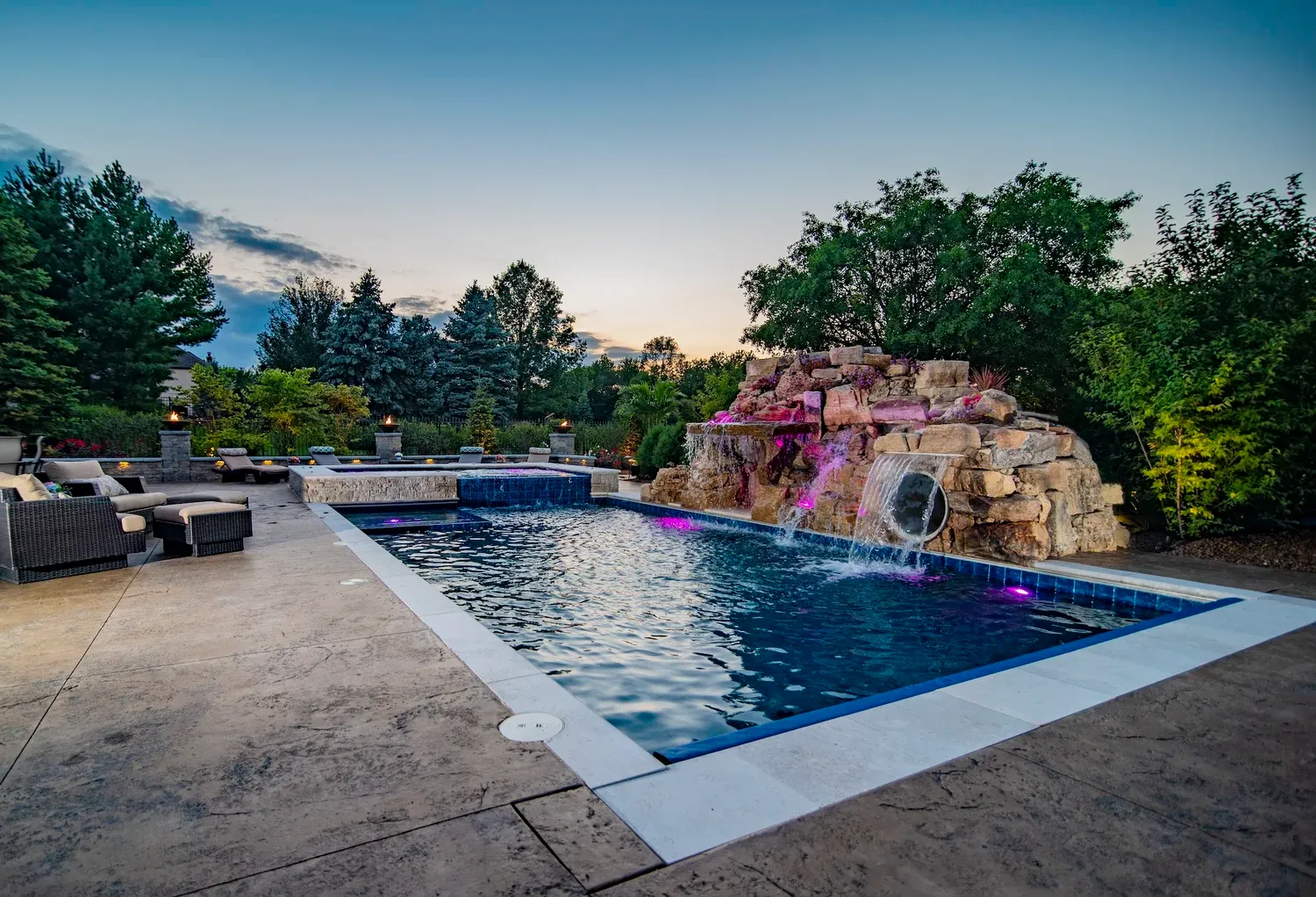
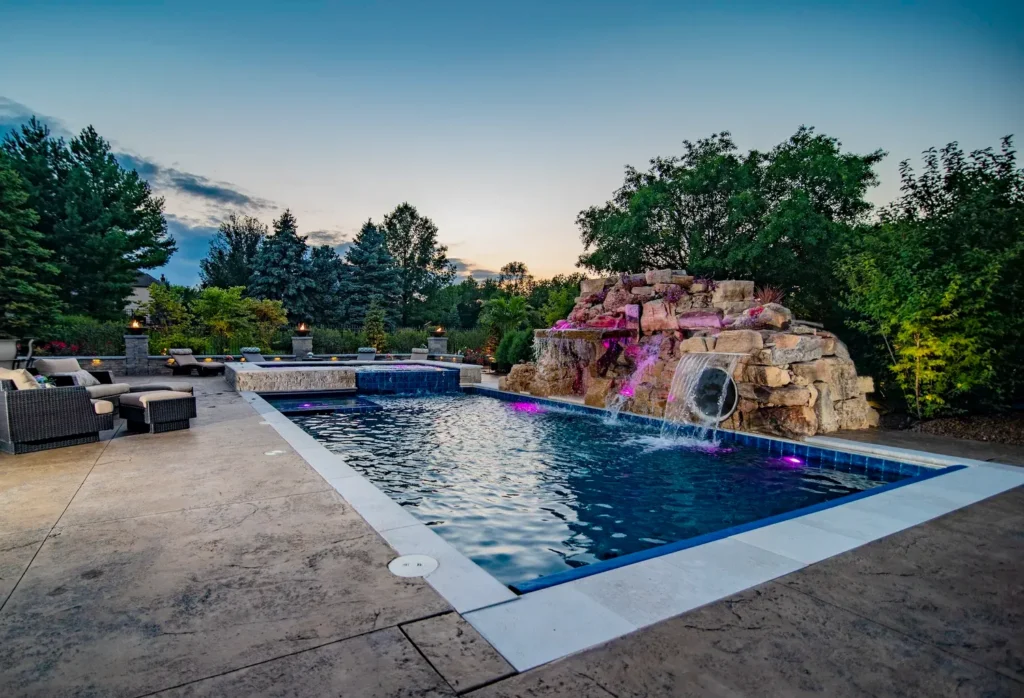
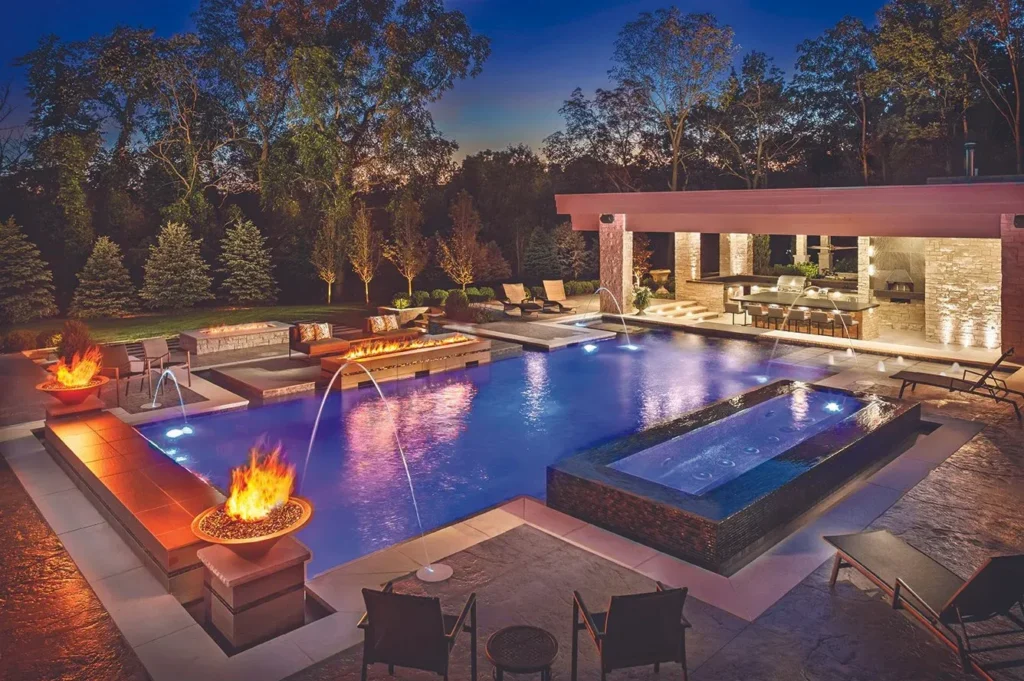
    Illuminated swimming pool with rock waterfall, hot tub, and patio furniture at twilight.

    The hydraulic engineering behind perimeter overflow pools involves intricate design requirements to ensure reliability and efficiency. Specifically, the water circulation system is engineered to support consistent overflow and minimize the risk of issues such as leaks and water loss. Maintenance considerations, including regular checks of the hydraulic systems, are also vital to preserving long-term performance and aesthetic quality.

    Benefits

    Perimeter overflow pools present several benefits that cater to luxury homeowners looking for both style and functionality. These include:

    1. Consistent Water Levels: The overflow feature ensures that water levels remain stable, enhancing the visual appeal.
    2. Aesthetic Integration: These pools can integrate beautifully with the landscape, creating a more picturesque outdoor space.
    3. Enhanced Filtration: The design promotes better water circulation, which aids in filtration and overall water quality.

    Drawbacks

    Despite their many advantages, perimeter overflow pools can come with drawbacks that prospective owners should consider. These include:

    1. Higher Initial Costs: The design and engineering involved often result in a more substantial initial investment.
    2. Maintenance Needs: The sophisticated systems require regular upkeep to function properly and avoid complications.
    3. Visual Impact: Some homeowners may find the visual of water flowing over the edge less appealing during certain seasons or weather conditions.

    Infinity Edge Pools

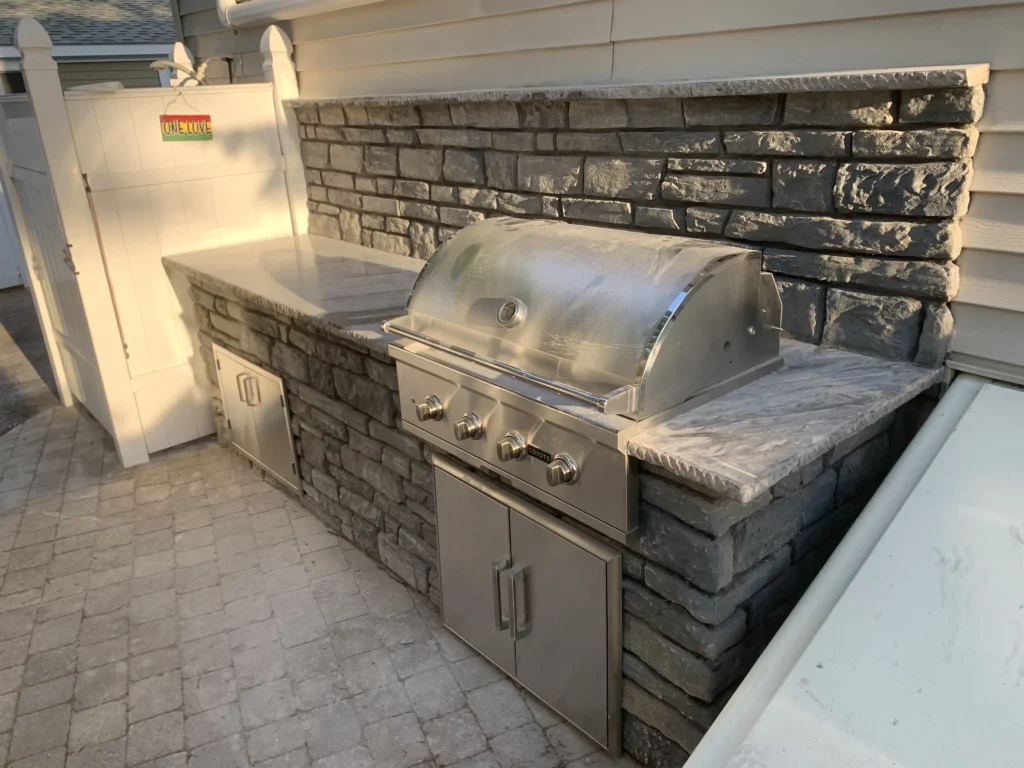
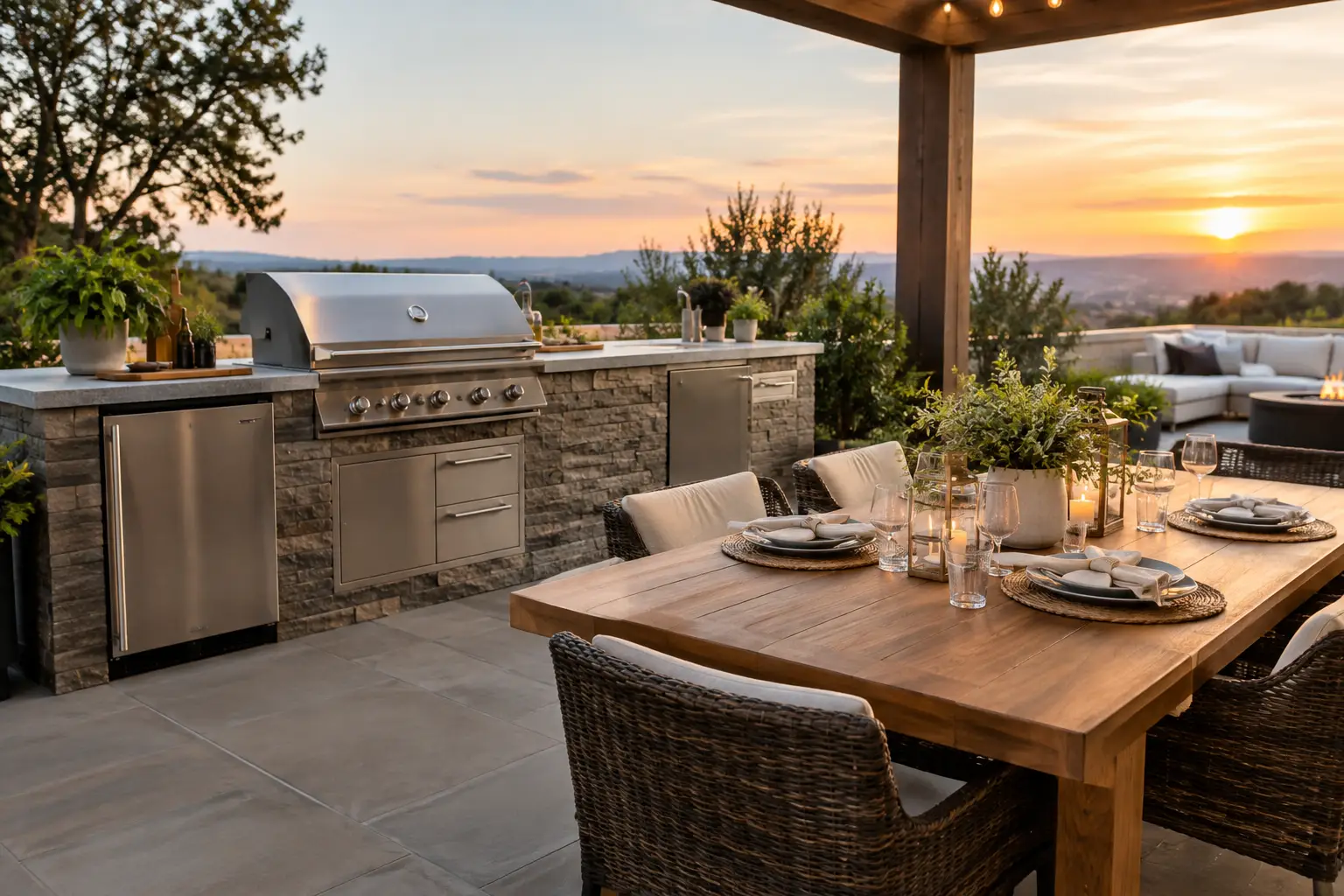
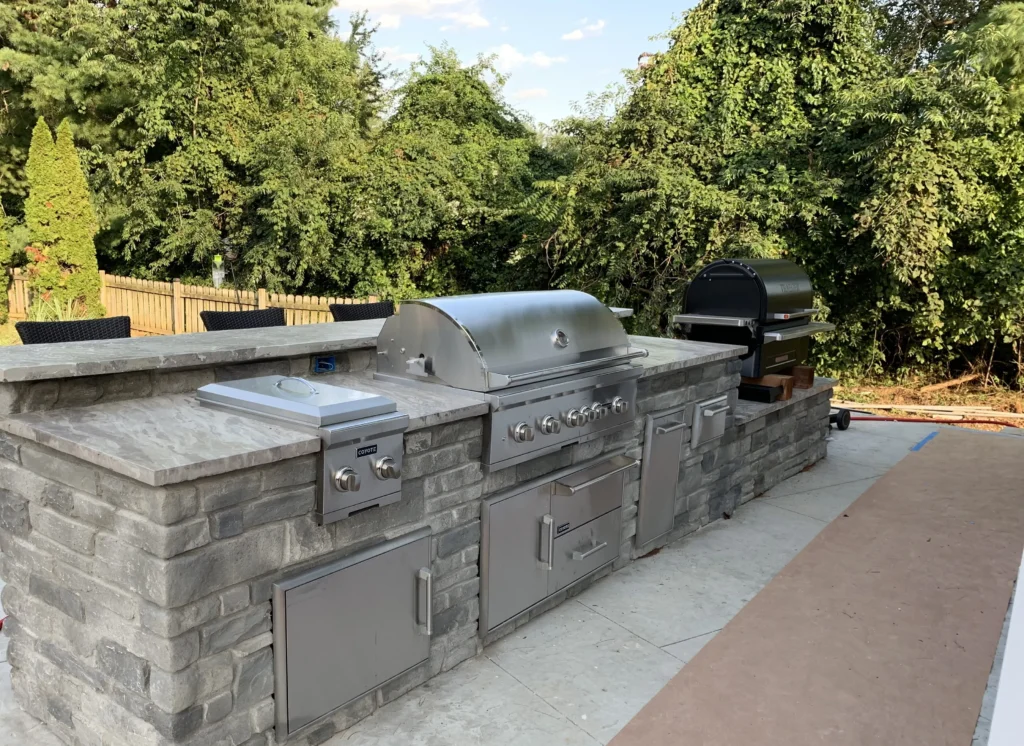
    Custom outdoor kitchen with stone facade and stainless steel grill, showcasing luxury backyard living in Spring Hill, Florida.

    Infinity edge pools are synonymous with modern luxury and are particularly popular in Florida’s picturesque environments. They create an illusion of water extending infinitely towards the horizon, often designed to be placed on elevated sites where they can showcase breathtaking views. This captivating aesthetic relies on meticulous engineering to ensure elegant water flow and efficient hydraulic management.

    Catch Basins

    Similar to perimeter overflow pools, infinity edge pools utilize catch basins to manage water that spills over their edges. These basins are integral to the overall design, ensuring that water levels remain stable while enhancing visual continuity with the landscape. The depth of the catch basins must be calibrated properly to maintain the infinity effect while ensuring proper drainage.

    Hydraulic Engineering

    The hydraulic complexities associated with infinity edge pools necessitate precise engineering solutions. The system must be designed to handle the unique challenges presented by the vanishing edge, including changes in water level due to evaporation and environmental factors. The importance of precision engineering cannot be overstated, as even minor discrepancies can lead to undesirable outcomes, such as inefficiencies in water circulation.

    Benefits

    Infinity edge pools deliver unparalleled aesthetic value and can significantly enhance the property’s value. Key benefits include:

    1. Visual Appeal: They create breathtaking views, making the pool a central visual feature of the landscape.
    2. Luxury Experience: The design offers a sense of exclusive luxury, attracting buyers looking for high-end properties.
    3. Increased Property Value: Well-designed infinity edge pools can significantly raise property market value, appealing to discerning buyers.

    Drawbacks

    Like perimeter overflow pools, infinity edge pools have some drawbacks that potential owners should weigh:

    1. Construction Costs: The need for advanced design and engineering can lead to higher construction expenses.
    2. Site Suitability: They require specific site conditions to work effectively, which might limit placement options.
    3. Maintenance Complexity: The sophisticated design may require more complex maintenance protocols to keep it operating smoothly and looking its best.

    Both perimeter overflow and infinity edge pools represent pinnacle options for luxury pool design in Florida. While they each offer unique aesthetics, desirable benefits, and specific drawbacks, the choice ultimately depends on individual preferences, property landscape, and desired luxury experience. Consulting with a knowledgeable pool builder, such as Beyond Backyard Living Creations, can help make the decision easier. With professional guidance, homeowners can achieve their dream pool that perfectly aligns with their vision of outdoor living.

    What distinguishes perimeter overflow pools from infinity edge pools in luxury Florida designs?

    Perimeter overflow pools and infinity edge pools are distinctive in their designs and functions but serve the shared purpose of elegance in luxury living. Perimeter overflow pools feature a consistent water level that spills over the edges, presenting a smooth surface that demonstrates refinement. Infinity edge pools, on the other hand, create a captivating illusion where water seems to merge with the surrounding views, enhancing visual appeal significantly. The choice between them largely depends on homeowner preferences regarding aesthetics and landscape integration.

    How do perimeter overflow pools manage water circulation and aesthetics?

    Perimeter overflow pools utilize a combination of advanced hydraulic engineering and effective catch basin systems to manage water circulation efficiently. The water cascades over the edge into a catch basin, which maintains optimal water levels and filtration while preventing overflow issues. This design not only increases the beauty of outdoor spaces but also ensures consistent water quality and clarity, allowing for an inviting swimming experience.

    Which hydraulic design considerations ensure durability in Florida climates?

    When designing pools for Florida’s unique climatic conditions, several hydraulic considerations are paramount. These include effective drainage systems to manage heavy rainfall and avoid flooding, optimal water circulation to combat the high temperatures typical in the region, and durable materials that withstand moisture and limit corrosion. Effective hydraulic design not only promotes long-term durability but also ensures pool functionality year-round, adapting to seasonal changes.

    What luxury engineering features complement perimeter overflow and infinity edge pools?

    Luxury engineering features that complement both perimeter overflow and infinity edge pools encompass automated water level control systems, advanced filtration technologies, personalized lighting options, and seamless integration with the surrounding landscape. Additional elements may include stylish decking, integrated heating systems for year-round use, and eco-friendly solutions for energy efficiency. Such features elevate the luxury experience, ensuring that the pool serves as a centerpiece for outdoor leisure.

    How are grottos, waterfalls, and pergolas integrated into custom pool designs?

    The integration of grottos, waterfalls, pergolas, cascading rock waterfalls, and custom paver patios and walkways into custom pool designs can profoundly enhance the overall beauty and multidimensional functionality of the outdoor space. Grottos provide intimate retreats for relaxation, while waterfalls contribute not only aesthetic charm but also aid water circulation, fostering a tranquil ambiance. Specifically, cascading rock waterfalls lend a natural, elegant touch, harmoniously merging with the surrounding environment. Complementing these water features, custom paver patios and walkways afford durability and style, expertly crafted to flow seamlessly alongside pool architecture and landscape design. Pergolas offer shaded lounging areas that extend living space outdoors, completing a sophisticated and cohesive luxury setting. Together, these elements craft an immersive, high-end architectural flow that reflects the epitome of refined outdoor living.

    Why choose turnkey 3D pool design and construction services in Spring Hill?

    Choosing turnkey 3D pool design and construction services in Spring Hill allows homeowners to leverage advanced visualization technologies, ensuring that their design matches their desires before construction begins. These services streamline the process from conceptualization through completion, providing a seamless experience that encompasses design, engineering, and installation. The ability to visualize the final product ultimately enhances satisfaction, allowing for tailored solutions that fit personal styles while elevating the property’s overall aesthetic.

    What maintenance and longevity strategies enhance luxury pool performance in Florida?

    Maintenance and longevity strategies for luxury pools include regular inspections of hydraulic systems, water quality management, and landscape maintenance to prevent debris from entering the pool. Additionally, implementing automated cleaning systems can greatly reduce manual upkeep while ensuring optimal water clarity and cleanliness. Professional maintenance services can help address the unique challenges posed by Florida’s environment, ensuring the pool remains a luxurious and inviting space for years to come.

    How do annual protection plans support hydraulic system reliability?

    Annual protection plans play a crucial role in supporting the reliability of hydraulic systems in luxury pools. These plans typically include routine inspections, parts replacements, and preventive maintenance that help to preemptively address potential issues. By ensuring that hydraulic systems are regularly assessed and maintained, homeowners can avoid unexpected malfunctions and costly repairs, maintaining the beauty and functionality of their luxury pool for many years.

    What advantages do warranty programs like Lifetime Settlement Warranty provide?

    Warranty programs, such as the Lifetime Settlement Warranty, offer significant peace of mind to homeowners investing in luxury pools. These programs assure comprehensive coverage for both construction and system components, ensuring that repairs or replacements are handled with minimal out-of-pocket expenses. Such warranties not only protect the investment but also reflect the confidence of builders in the quality and durability of their work, fostering trust in the services provided.

  • Naturi Sand Pool Excavation & Structural Micro-Mortar Layers in Florida for Soil Stability and Permeability

    Naturi Sand Pool Excavation & Structural Micro-Mortar Layers in Florida for Soil Stability and Permeability

    By Terrance Schabilion, Beyond Backyard Living – Custom Pool Builder Spring Hill FL

    Naturi sand pool excavation has emerged as a pivotal technique in the construction of luxury pools, directly influencing soil stability and permeability in Florida’s uniquely diverse environments. This article delves into the benefits of utilizing naturi sand and micro-mortar layers, showcasing how these elements contribute to creating durable and efficient pool structures. Understanding the intricate relationship between these materials is essential for homeowners and contractors aiming for outdoor living spaces that last. With an emphasis on local soil conditions, this piece will explore key benefits, structural dynamics, and design integration, providing a comprehensive look into modern pool construction.

    What Are the Benefits of Naturi Sand Pool Excavation for Soil Stability in Florida?

    Naturi sand pool excavation offers multiple advantages that directly enhance soil stability, a critical factor for any pool’s longevity. By utilizing naturally occurring sand, excavators can create a solid foundation that withstands shifting environmental conditions. Enhanced soil stability improves water management, contributing to longevity and reducing the risk of structural failure. Moreover, naturi sand promotes better drainage, allowing water to permeate soil effortlessly, which is especially vital in Florida’s often saturated landscape.

    Another key advantage is its adaptability to different soil types and conditions. Unlike traditional materials that might compact over time, naturi sand retains its porous properties, ensuring that pools remain anchored securely without compromising stability. The result is a robust structure, tailored for the unique environmental challenges faced in Florida. This adaptability proves invaluable for homeowners and builders looking for reliable and sustainable construction options.

    How Does Sand Excavation Improve Soil Permeability for Pool Foundations?

    Sand excavation fundamentally alters the water flow dynamics within the soil. The granular nature of sand allows for increased permeability, meaning water can move through the soil profile more efficiently. As a result, water-related issues such as erosion or waterlogging are significantly minimized. This improved drainage is crucial for maintaining an optimal environment around the pool, preventing saturation that could weaken structures or lead to costly repairs.

    Furthermore, the interaction between sand and water enhances the foundational integrity of pools. By facilitating proper water movement, sand reduces hydrostatic pressure beneath the pool shell, thereby supporting the structure against external forces. This balance is essential for ensuring that the pool remains durable and intact over time, especially in Florida’s varied weather conditions, which include heavy rainfall and tropical storms.

    Why Is Soil Stability Critical for Longevity in Natural Pool Construction?

    Soil stability is paramount in natural pool construction because it directly impacts structural integrity and longevity. In environments like Florida, where soils can vary widely, ensuring that the soil can support heavy structures is vital. Various soil types, including sandy and clay-rich soils, react differently to moisture and stress, which can lead to significant shifts and ground movement.

    Incorporating naturi sand in excavation helps build a more stable base. This type of sand offers a unique combination of density and structure that resists erosion and shifting, which are common risks in pool construction. By addressing these factors, builders can create pools that not only endure the elements but also retain their aesthetic and functional appeal in the long run.

    How Do Structural Micro-Mortar Layers Enhance Pool Durability and Waterproofing?

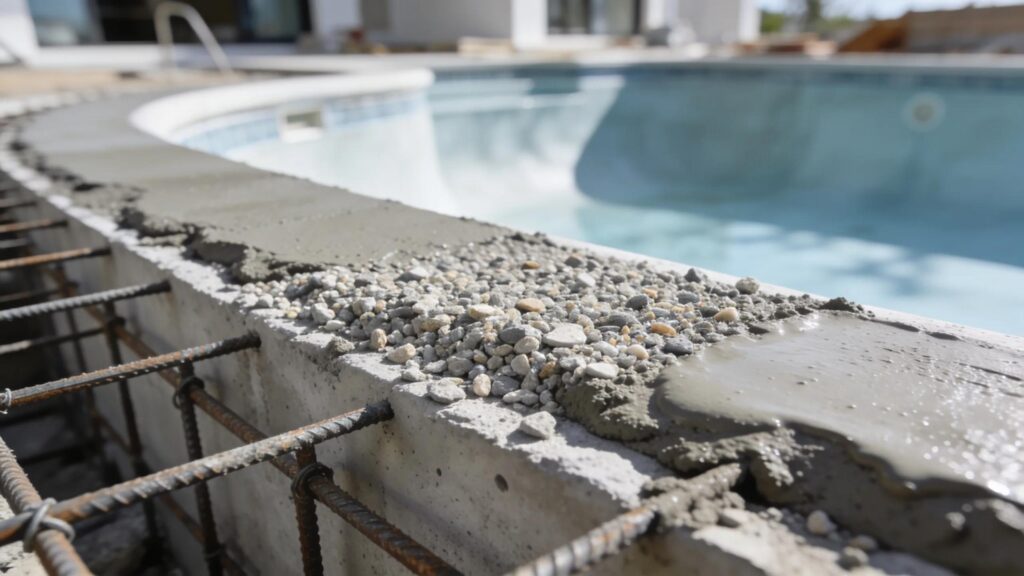
    Application process of micro-mortar layers on a pool foundation, emphasizing waterproofing and durability

    Structural micro-mortar layers serve a critical function in the overall durability and waterproofing of pools. These layers create a barrier that effectively prevents water ingress, a common problem that can lead to structural damage over time. By providing a smooth, seamless surface, micro-mortar enhances the aesthetic quality of pools while ensuring long-term waterproof resilience.

    The composition of micro-mortar layers includes a blend of finely graded sands and polymers, making them highly effective in sealing porous substrates. This advanced material not only enhances the waterproof functionality but also improves the pool’s thermal insulation properties. The result is a more energy-efficient system, which can help in maintaining water temperature and reducing overall operational costs.

    What Is the Composition and Application Process of Micro-Mortar Layers?

    Micro-mortar is composed primarily of fine aggregates, polymers, and additives that enhance adhesion and flexibility. This composition allows for superior performance compared to traditional mortar, providing a thinner application while achieving maximum strength. The application involves a meticulous process; it is typically applied in layers, with each layer being smoothed out to ensure uniformity and effectiveness.

    In the installation process, it is vital to prepare the pool surface thoroughly. This preparation step allows the micro-mortar to bond effectively, enhancing durability. Once applied, the layers cure to form a robust barrier against water ingress, protecting the underlying structure and ensuring the pool’s longevity.

    How Do Micro-Mortar Layers Interact with Soil Conditions in Florida?

    Micro-mortar layers exhibit a remarkable ability to adapt to Florida’s diverse soil conditions, which can fluctuate between sandy and clay-rich profiles. This adaptation is essential for ensuring consistent waterproofing and durability across various soil types. When micro-mortar is applied to foundations that incorporate naturi sand, the resultant combination effectively stabilizes the pool structure while optimizing drainage and water flow.

    Additionally, as the pool interacts with moisture levels in the surrounding soil, micro-mortar aids in maintaining an even moisture distribution. This feature helps prevent localized swelling or shrinking of the surrounding earth, which could otherwise jeopardize structural integrity. Thus, blending micro-mortar layers with appropriate excavation techniques contributes significantly to the overall performance of natural pools.

    Which Custom Features Integrate with Naturi Sand Pools and Micro-Mortar Engineering?

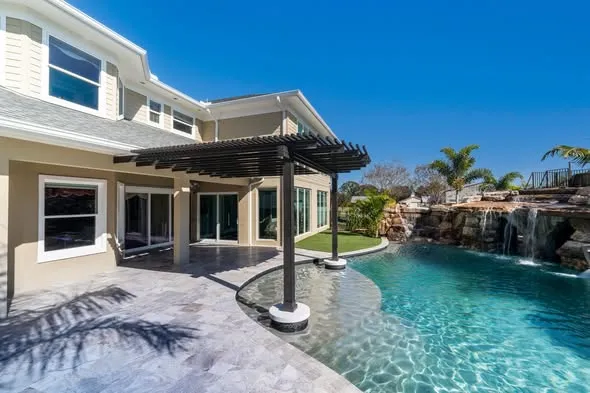
    Luxury home with pool, waterfall, and patio under a pergola.

    Integrating custom features with naturi sand pools and structural micro-mortar engineering can elevate the overall design and functionality of outdoor living spaces. These enhancements not only improve aesthetic appeal but also serve practical purposes in enhancing the user experience. Features such as grottos, waterfalls, and pergolas become complementary elements that enrich the pool environment, creating versatile outdoor spaces.

    These custom design elements can also have a positive impact on water management. For example, waterfalls help circulate water, enhancing the filtration process and keeping the pool cleaner. Grottos can create shaded areas that provide cool retreats in hot weather, while pergolas add style and additional outdoor living space for relaxation or entertainment.

    How Do Grottos, Waterfalls, and Pergolas Complement Natural Pool Designs?

    Grottos and waterfalls enhance the tranquil aesthetic of natural pools, transforming them into personal oases. They contribute to a calming ambiance while incorporating functional design features. The sound of cascading water not only promotes relaxation but also assists in maintaining the pool’s water quality by encouraging aeration.

    Pergolas extend living space, creating an attractive environment for lounging or social gatherings. By providing shade, these designs protect against sun exposure while adding visual interest to the overall landscape. When combined with robust pool foundations and waterproofing solutions like micro-mortar, these features ensure a cohesive, durable outdoor living area.

    What Role Does 3D Design Play in Planning Luxury Pool Hardscape Features?

    3D design has revolutionized the planning process for luxury pool landscapes, providing visual clarity that enhances project outcomes. By creating detailed models, designers can assess the viability of various features and layouts before any construction begins. This technological approach allows for precise planning and detailed adjustments, lending insights into how each component will function within the larger project.

    Using 3D visualization, contractors can ensure that every element, from pool shapes to surrounding hardscapes, integrates seamlessly. The ability to view potential changes before actual implementation allows for informed decision-making and promotes overall client satisfaction.

    What Are the Key Steps in a Turnkey Luxury Pool Construction Process in Florida?

    The turnkey luxury pool construction process is structured to provide clients with a comprehensive experience from design conception to completed installation. The primary steps include initial consultations, design and engineering phases, excavation, and the installation of features such as plumbing and electrical systems.

    1. Initial Design Consultation: Engaging with clients to understand their needs and preferences.
    2. 3D Modeling: Using advanced software to create realistic representations of the proposed construction.
    3. Excavation and Base Preparation: Implementing naturi sand excavation to set a stable foundation.
    4. Feature Installation: Incorporating custom elements like waterfalls and grottos.

    How Is 3D Visualization Used to Ensure Precise Sand Excavation and Engineering?

    3D visualization technology plays a crucial role in ensuring accurate sand excavation and engineering practices. This method allows builders to simulate excavation depths and soil conditions, which helps in avoiding costly mistakes. By analyzing detailed models, project teams can identify the optimal strategies for excavation, ensuring a solid foundation and preventing future complications.

    Moreover, visualizing these elements helps communicate effectively with clients, allowing them to visualize their projects before any ground is broken. This comprehensive approach also enhances overall project efficiency and success.

    What Warranty and Maintenance Programs Support Long-Term Pool Performance?

    To support the longevity of luxury pool structures, offering comprehensive warranty and maintenance programs is imperative. These programs serve as assurance to clients that their investments are protected against potential issues that may arise over time. Regular maintenance checks can prolong the lifespan of both the pool and its architectural features.

    Key aspects of these programs often include annual inspections, preventive maintenance, and warranty coverage for structural elements such as the pool shell and micro-mortar layers. Establishing strong maintenance protocols helps secure pool functionality while fostering client trust and satisfaction.

    In conclusion, the combination of naturi sand excavation and structural micro-mortar layers forms an essential backbone for crafting strong, durable pools in Florida’s diverse climatic conditions. Integrating custom features through advanced design techniques ensures these structures remain visually stunning while providing a practical solution that stands the test of time.

  • Motorized Louvered Pergola Sensors and Smart Controls in Florida: Rain Detection, Wind Automation & Somfy Motor Benefits

    Motorized Louvered Pergola Sensors and Smart Controls in Florida: Rain Detection, Wind Automation & Somfy Motor Benefits

    By Terrance Schabilion, Custom Pool Builder Spring Hill FL

    Motorized louvered pergolas combine technology with outdoor functionality, offering homeowners advanced control over their outdoor environments. These systems leverage smart sensors and powerful automation technologies to enhance comfort and usability in Florida’s unique climate conditions. In this article, we will explore the features of motorized louvered pergola automation systems, focusing on critical aspects like rain detection, wind automation, and the benefits of utilizing Somfy motors. We’ll address common pain points experienced by users and provide solutions to enhance outdoor living experiences, particularly in areas like Spring Hill and the Nature Coast region.

    Understanding these technologies gives homeowners the opportunity to create a more responsive and luxurious outdoor living space, catering to both recreational needs and environmental durability. This discussion covers how various sensors contribute to safety and user convenience, alongside a closer look at the reliability of Somfy motors. We’ll also explore how customization for local weather patterns plays a vital role in the effectiveness of these systems, especially when paired with a paver pool deck setup.

    What are the key features of motorized pergola automation systems in Florida?

    Motorized pergola automation systems in Florida are distinguished by their integration of advanced technologies geared towards providing a seamless user experience. Key features include weather-responsive controls that automatically adjust the louver angles based on sunlight and precipitation, enhancing the comfort of outdoor living. Utilizing high-quality materials ensures that these systems are not only durable but also effective in withstanding Florida’s fluctuating weather conditions.

    Moreover, these systems can often connect with smart home technology, allowing for remote access and automated scheduling. Homeowners can utilize applications to control their pergolas from anywhere, ensuring that their outdoor spaces are always prepared for any climatic change.

    How do wind sensors improve pergola safety and responsiveness?

    Wind sensors integral to motorized pergolas play a crucial role in ensuring safety and functionality in high-wind scenarios. These sensors monitor real-time wind speeds and can automatically adjust the louver position or retract the roof to prevent potential damage. As a result, this automation enhances peace of mind for homeowners, knowing that their investment is well protected against unpredictable weather events.

    By responding immediately to changing conditions, these systems also prolong the life of the pergola structure, thus saving costs related to repairs or replacements in extreme weather situations. Engaging such technology leads to a more secure outdoor environment tailored to the dynamics of Florida’s climate.

    What types of rain detection sensors are used in smart pergola systems?

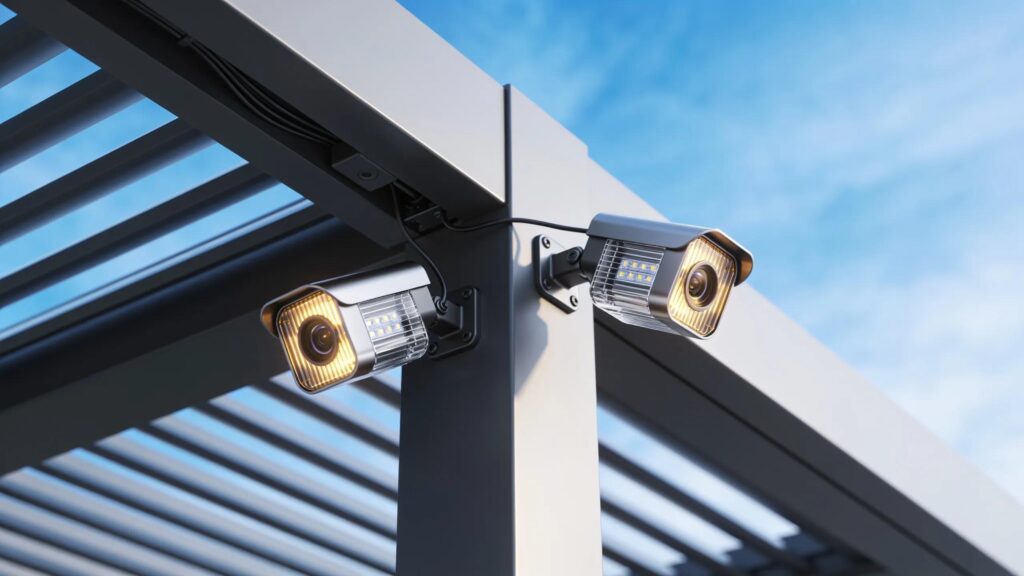
    Optical and heated rain detection sensors integrated into a luxurious motorized pergola

    Smart pergola systems utilize various types of rain detection sensors to ensure that users enjoy their outdoor spaces without the worry of unexpected rainfall. Commonly used sensors include:

    • Precipitation Sensors: Detects the onset of rainfall and triggers automatic closing mechanisms to shield outdoor areas.
    • Moisture Sensors: Monitors the humidity levels and can suggest adjustments based on current weather patterns.
    • Integrated Weather Stations: Provides comprehensive data including rainfall predictions and other environmental factors, ensuring effective use of the pergola throughout changing seasons.

    These rain detection sensors significantly contribute to the automation and efficiency of motorized pergolas, allowing for a seamless transition from sunshine to shelter, complemented by proper paver drainage solutions.

    Why choose Somfy motors for motorized louvered pergola installations?

    When selecting motors for automated pergolas, Somfy stands out as a preferred choice among homeowners. Somfy motors are known for their high efficiency, reliability, and compatibility with various home automation systems, ensuring seamless integration. They are specifically designed to deliver consistent torque and speed, providing smooth operation of louver mechanisms that adapt effortlessly to changing weather conditions.

    Furthermore, Somfy motors can be synchronized with various sensor technologies, creating a robust automated ecosystem that enhances usability and comfort in outdoor spaces. The intelligent designs also allow for remote control access, enabling users to operate their pergola from anywhere within their home or outside.

    What advantages do Somfy motors offer over other motor brands?

    Somfy motors excel over many competitors due to their established reputation in the market and high-performance standards. Key advantages include:

    1. Reliability: Known for smooth and quiet operation, ensuring minimal disruption during use.
    2. Integration Capability: Easily connects with existing smart home devices, enhancing overall property automation.
    3. Durability: Built with high-quality materials capable of withstanding the environmental challenges specific to Florida’s climate.

    This level of performance is crucial for homeowners seeking long-term solutions that require minimal maintenance while providing maximum comfort and control over their outdoor spaces.

    How do Somfy smart controls integrate with automated pergola systems?

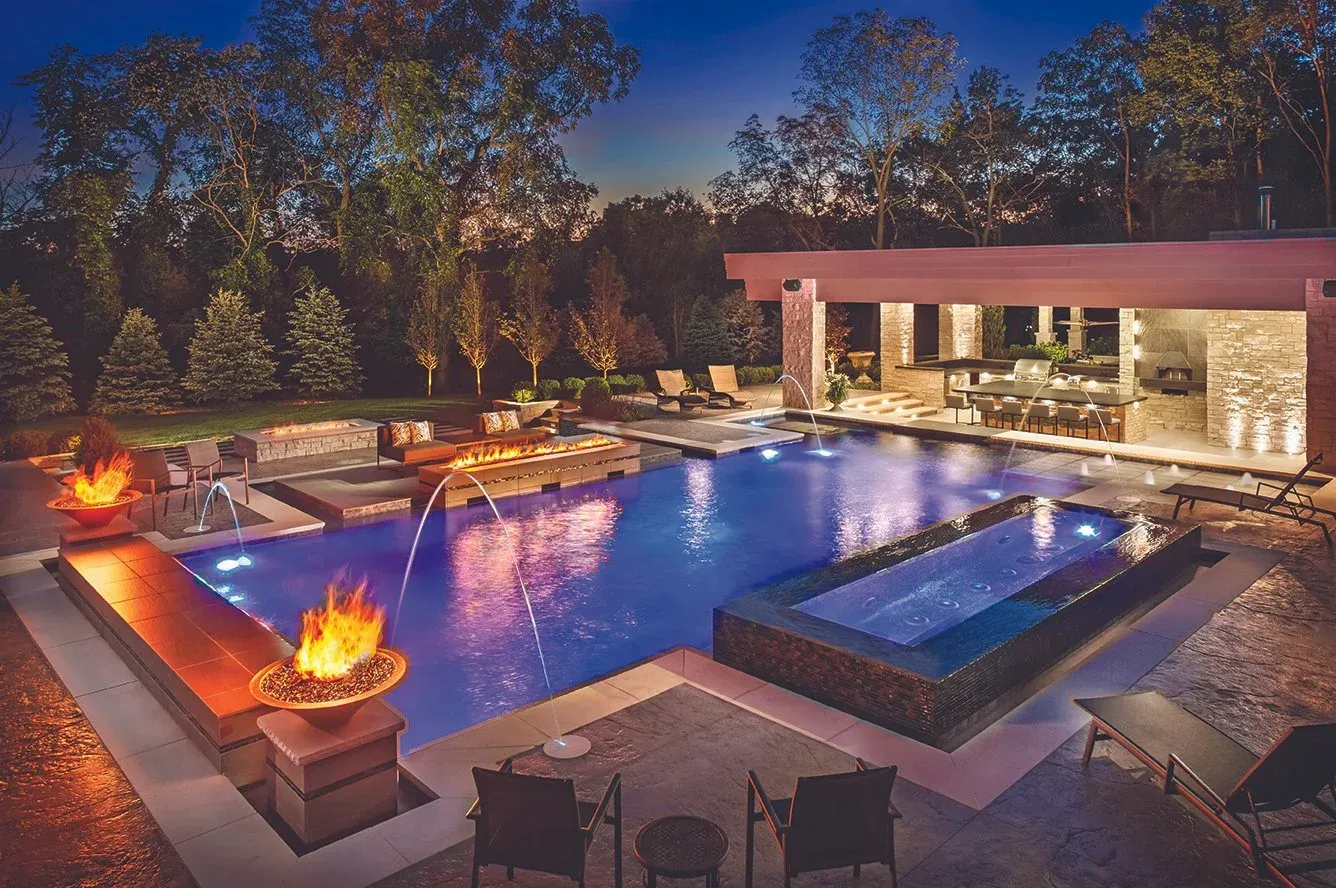
    Luxurious backyard pool area with outdoor kitchen, spa, and fire features at dusk.

    Somfy smart controls provide an intuitive interface enabling users to manage their motorized pergolas effortlessly. Integrated into smart home systems, these controls offer features that enhance user experience, such as:

    • Remote Access: Users can control their pergolas via mobile devices, adjusting settings regardless of location.
    • Automated Scheduling: Set timers and schedules for adjustments based on personal preferences and local weather patterns.
    • Voice Command Compatibility: Integration with smart assistants allows for hands-free operation, adding convenience to the user experience.

    This robust feature set ensures that homeowners enjoy their outdoor environments while minimizing the need for manual intervention, leading to an enhanced quality of life.

    How is smart pergola automation customized for Florida’s Spring Hill and Nature Coast climate?

    Understanding Florida’s regional weather patterns is essential for customizing smart pergola automation effectively. Key customization considerations include:

    • Material Selection: Utilizing weather-resistant materials that provide durability against heat and humidity.
    • Sensor Configuration: Adjusting sensitivity levels for rain and wind sensors specific to the common weather conditions observed in Spring Hill and the Nature Coast.
    • Adaptive Mechanisms: Ensuring that the pergola can respond swiftly to dramatic shifts in the environment, creating a responsive outdoor space.

    By tailoring features to the local climate, homeowners can maximize the functionality and comfort of their motorized pergolas, ensuring a pleasant outdoor experience year-round.

    What design considerations optimize sensor calibration for Florida’s wind and rain patterns?

    To ensure that motorized pergolas operate efficiently in Florida’s variable climate, specific design considerations are crucial:

    • Sensor Placement: Optimal location of sensors to minimize false readings from nearby structures or trees.
    • Calibration Settings: Adjusting sensor configurations to accurately reflect local wind patterns and rainfall amounts, enabling precise automation responses.
    • Material Choices: Selecting resilient components that are less prone to wear or malfunction in extreme weather conditions enhances the overall longevity and reliability of the system.

    These considerations establish robust and adaptive systems tailored to the environment, ensuring sustained effectiveness and user satisfaction.

    How do sensor technologies enhance luxury outdoor living spaces with pools and kitchens?

    Sensor technologies play a vital role in elevating outdoor living spaces equipped with kitchens and pools by:

    • Enhancing Comfort: Automatic adjustments based on temperature and humidity ensure that outdoor spaces are always comfortable for users.
    • Protecting Investments: Rain and wind sensors can extend the life of outdoor furniture and fixtures by minimizing weather-related damage.
    • Increasing Usability: Smart controls allow users to enjoy outdoor amenities without constant monitoring, facilitating a more relaxed lifestyle.

    Through effective integration of sensor technology and luxury design features, homeowners can create spaces that are both aesthetically pleasing and highly functional.

    What maintenance and warranty options support motorized pergola sensor systems?

    Routine maintenance and warranty options form essential aspects of motorized pergola sensor systems, ensuring prolonged performance. Regular checks on sensor functionality, cleaning mechanisms to remove debris, and ensuring water drainage capabilities enhance system longevity.

    Many providers offer warranties that cover both parts and labor for a specified period, safeguarding the investment for homeowners. It’s crucial to understand warranty details and service agreements to maximize these support options, often highlighted by a lifetime settlement warranty for complete peace of mind.

    How to ensure reliable operation of wind and rain sensor automation?

    To maintain the reliability of wind and rain sensor automation, homeowners should follow these straightforward guidelines:

    1. Regular Calibration: Ensure that sensors are calibrated according to seasonal weather changes.
    2. Periodic Maintenance: Schedule professional checks to assess sensor functionality and responsiveness.
    3. Routine Cleaning: Keep sensors and related components free from obstructions to ensure accurate readings.

    Adhering to these practices helps ensure that motorized pergolas perform optimally, adapting to environmental changes effectively for enhanced outdoor living.

  • How to Plan an Outdoor Kitchen for Entertaining

    How to Plan an Outdoor Kitchen for Entertaining

    A beautiful outdoor kitchen changes the rhythm of a backyard. Dinner no longer pulls the host away from the conversation. Kids can swim while lunch comes off the grill. A quiet weeknight can end with pizza, a glass of wine, and the glow of a nearby fire feature. Homeowners asking how to plan outdoor kitchen spaces are not simply choosing appliances and countertops. They are designing a setting for hospitality.

    The most successful kitchens feel as if they always belonged there. They connect naturally to the home, support the way your family gathers, and hold up to heat, weather, and years of celebration. That level of ease begins with thoughtful planning long before the first paver is set.

    Start With the Backyard Experience You Want

    Before choosing a grill, picture a real evening in the space. Are you hosting game-day crowds around a pool? Preparing relaxed family meals two or three nights a week? Building a destination where guests linger for dessert after a formal dinner indoors? The answer shapes the kitchen’s footprint, seating, storage, lighting, and relationship to the rest of the landscape.

    A compact grill island can be ideal for homeowners who want a polished cooking station near an existing patio. A larger kitchen deserves a broader vision: a dining terrace, lounge seating, shade structure, fireplace, pool deck, or garden view that gives every zone a purpose. Luxury is not about making every feature bigger. It is about making the entire environment feel intentional.

    Consider who will use the space and how they move through it. The cook needs room to work without being cut off from guests. Guests need a natural place to gather without standing directly behind the grill. If children will be in the pool or on a sport court, sightlines matter. A designer can translate those everyday patterns into a layout that feels gracious rather than crowded.

    How to Plan an Outdoor Kitchen Layout

    Location is the decision that influences nearly every other detail. Positioning the kitchen close to the house can make it easier to carry food, access indoor plumbing, and connect utilities. It can also make the outdoor area feel like an extension of the home. Placing it farther into the yard may create a more immersive retreat, especially when it anchors a pool, pavilion, or dedicated entertainment area.

    Neither approach is automatically better. A detached kitchen may require longer utility runs and a larger investment in infrastructure. A kitchen too close to the house can concentrate heat, smoke, and activity near doors and windows. The right placement respects your lot, prevailing winds, views, mature trees, sun exposure, and local code requirements.

    Once the location is established, organize the kitchen around practical cooking zones. The grill, prep counter, refrigeration, sink, waste storage, and serving area should support a logical sequence. You should be able to take ingredients from cold storage, prepare them on a generous counter, cook comfortably, and plate food without crossing through a traffic path.

    Leave sufficient counter space on both sides of the grill. A dramatic stone island can look impressive in a rendering but become frustrating if there is nowhere to set a platter, cutting board, or hot pan. For kitchens designed around entertaining, an extended bar counter creates a welcoming divide between the cook’s work zone and the guest experience.

    Choose Appliances for the Way You Cook

    Start with the essentials, then add appliances that earn their place. A high-quality built-in grill is often the centerpiece, but it is not the only path to an exceptional kitchen. A pizza oven creates an event and invites everyone into the cooking process. A griddle suits breakfast, burgers, and large family gatherings. Refrigerated drawers, an ice maker, and a beverage center reduce trips indoors and keep the host present.

    The best appliance package depends on your habits. If you order takeout more often than you smoke brisket, a full outdoor smoker station may not be the best use of space or budget. If you frequently host large groups, refrigeration and generous serving space may have more day-to-day value than another specialty burner.

    Plan for durable, outdoor-rated equipment designed to withstand moisture, heat, and seasonal use. In Sunbelt climates, direct sun can be as demanding as rain. Proper ventilation, shade, and appliance clearances help protect both performance and comfort. A professional team will also coordinate gas, electric, water, drainage, and venting requirements before construction, not after the cabinetry is complete.

    Build With Materials That Belong Outdoors

    An outdoor kitchen should relate to the architecture of the home and the materials used throughout the property. Stone veneer, textured stucco, porcelain tile, brick, natural stone, and architectural concrete can each create a distinctive character. The goal is cohesion. A sleek contemporary home may call for clean-lined cabinetry and large-format porcelain, while a Mediterranean-inspired home may feel most natural with warm stone, stucco, and richly detailed tile.

    Countertops deserve particular attention. They must handle sun, spills, heat, and regular cleaning while contributing to the overall design. Natural stone offers depth and variation, but some selections require more maintenance. Sintered stone and certain porcelains can provide exceptional durability with a refined look. The right answer depends on exposure, desired appearance, and how much maintenance you are comfortable taking on.

    Do not overlook the floor beneath the kitchen. A patio should provide a stable, well-drained foundation and a finish that is comfortable underfoot. Around pools, slip resistance and heat retention become especially important. A kitchen is only one part of the composition; the surrounding hardscape is what makes it feel settled into the landscape.

    Plan for Shade, Light, and Comfort After Sunset

    The best outdoor kitchens work beyond the perfect sunny afternoon. In a warm climate, shade is often the feature that determines whether the space is used in July. A pavilion, pergola, roof extension, or strategically designed canopy can reduce glare and make cooking more comfortable. The choice depends on the amount of protection you want, local conditions, and whether the kitchen needs ventilation for smoke and heat.

    Lighting should be layered rather than overly bright. Task lighting at the grill and prep areas supports safe cooking. Soft under-counter lighting adds depth and makes pathways easier to navigate. Nearby landscape lighting can frame trees, water features, and architectural elements, giving the backyard an inviting sense of scale after dark.

    Ceiling fans, radiant heaters, and screened elements may also make sense depending on the site. These additions are not afterthoughts. When considered early, they can be integrated cleanly into the structure and electrical plan instead of looking added on later.

    Set a Budget Around Priorities, Not Just Features

    Outdoor kitchen costs vary widely because every site and scope are different. The visible finishes and appliances matter, but the hidden work matters just as much: demolition, grading, drainage, utility connections, structural foundations, permits, and coordination with pools or patios. A kitchen built as part of a complete backyard transformation can often share planning and construction efficiencies with adjacent hardscape and landscape features.

    Decide where you want to invest for the long term. It may be a premium grill, a durable countertop, a covered structure, or a larger entertaining terrace. Then identify elements that can be phased without compromising the overall design. It is usually wiser to create a complete master plan first, even if you build in stages. That prevents a finished kitchen from blocking the future pool, fireplace, or patio expansion you later decide you want.

    Let the Kitchen Belong to a Complete Design

    A standalone outdoor kitchen can be useful. A kitchen that is woven into a complete exterior environment becomes memorable. The view from the bar might look toward a waterfall. The pizza oven may sit near a fire pit where guests gather. A pergola can establish an architectural transition from the house to the pool, while planting softens the hardscape and creates privacy.

    That is where an experienced design-build process brings clarity. Beyond Backyard Living approaches outdoor kitchens as part of a larger lifestyle composition, balancing craftsmanship, circulation, materials, and the small details that make entertaining feel effortless.

    Your backyard should not force you to choose between cooking, connecting, and enjoying the view. Plan the kitchen around the moments you want to create, and it can become the place where an ordinary evening feels worth inviting people over for.