By Terrance Schabilion, Beyond Backyard Living
Premier Custom Wood Pavilion Builder in Spring Hill FL & Central Florida
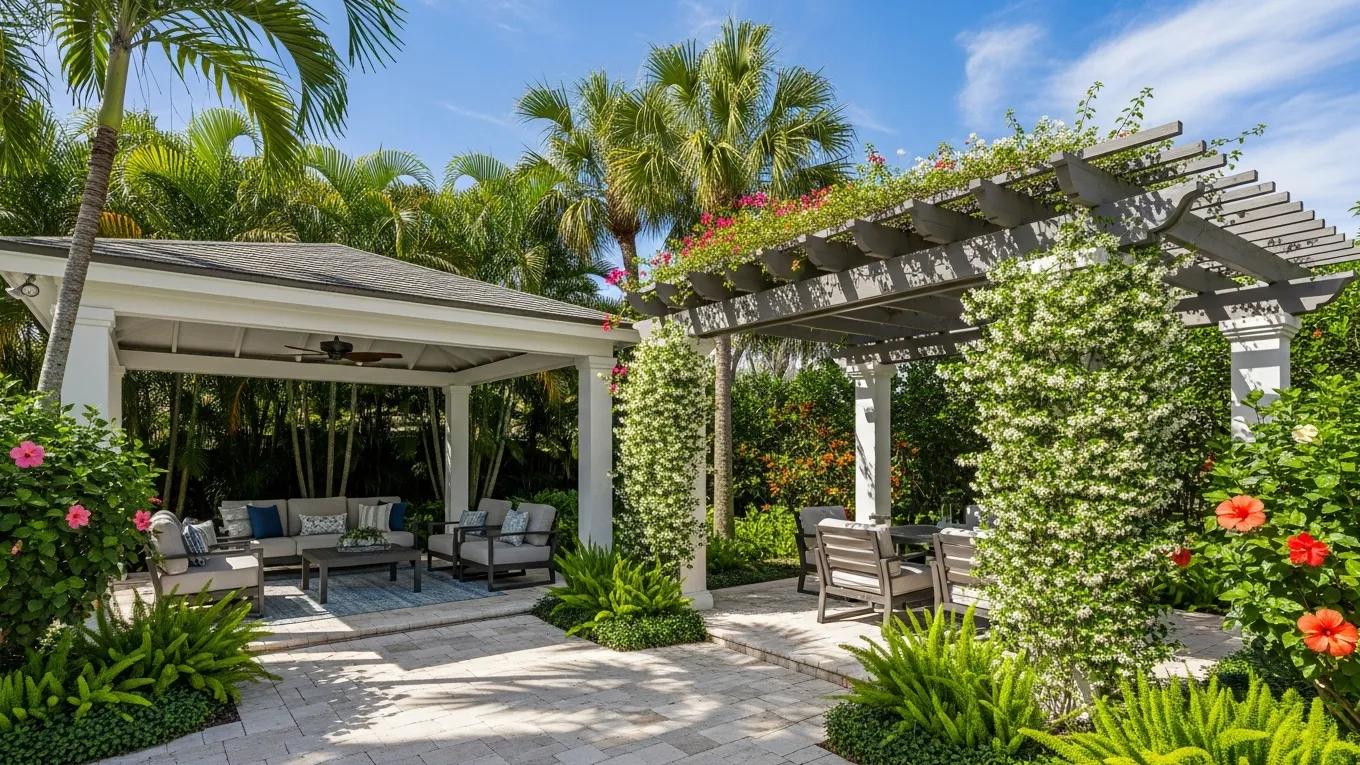
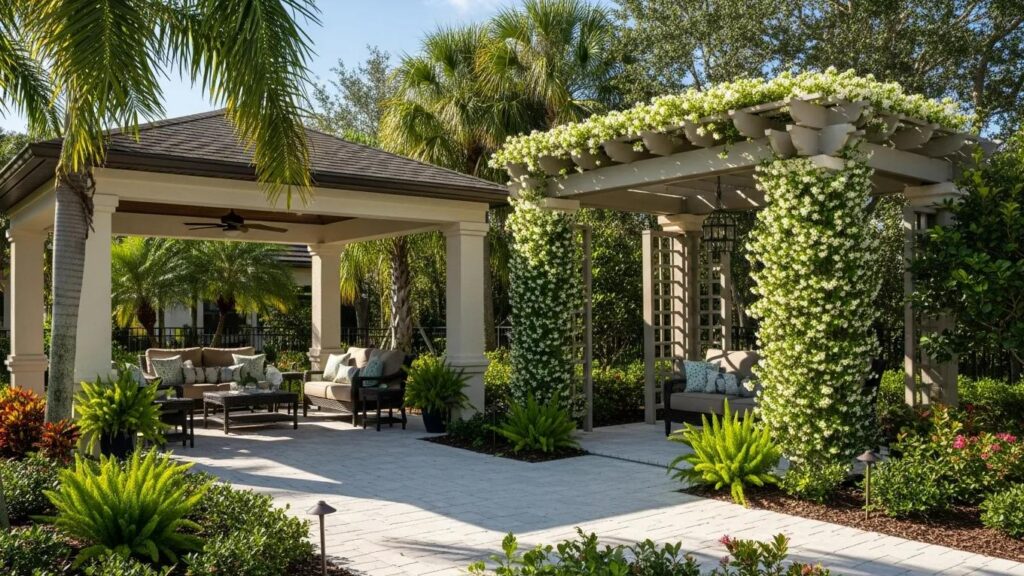
As the leading custom wood pavilion builder Spring Hill FL and cedar pavilion builder Central Florida, Beyond Backyard Living crafts bespoke heavy timber cedar pavilions and meticulously engineered outdoor structures optimized for Florida9s unique climate and building codes. Serving Hernando County and the greater Central Florida area, we combine artisan craftsmanship with structural expertise to deliver custom pavilions that balance aesthetic warmth, durability, and hurricane-resistant engineering.
Our comprehensive approach ensures your outdoor living space is an enduring, beautiful retreat built with premium materials and state-of-the-art design considerations, perfectly suited to Florida9s subtropical environment.
Adding a heavy timber cedar pavilion provides the architectural centerpiece of any resort style backyard, establishing shaded dining and lounging pavilions.
Heavy Timber Framing: Western Red Cedar vs. Douglas Fir
Structural Post-and-Beam Framing (8×8, 10×10, and 12×12 Solid Columns)
We utilize substantial post-and-beam framing techniques featuring solid timber columns in dimensions of 8×8, 10×10, and 12×12. Western Red Cedar, prized for its rot and insect resistance, and Douglas Fir, valued for its strength and rigidity, are our primary timber choices. Each offers distinct advantages, with cedar providing rich aesthetics and environmental resilience, and Douglas Fir delivering superior structural capacity for large spans and heavy loads.
Traditional Mortise and Tenon Joinery with Hardwood Oak Pegging
Our pavilions showcase authentic mortise and tenon joinery reinforced by hardwood oak pegging, fusing traditional craftsmanship with remarkable durability. This technique ensures precise fit and long-lasting connections that accommodate natural wood movements without compromising structural integrity.
Tongue-and-Groove (T&G) Pine and Cedar Ceiling Underlayment & Trim Detailing
The ceiling finishes incorporate finely milled tongue-and-groove pine and cedar planks, creating a visually warm and inviting overhead space. Our skilled detailing enhances these ceilings with precise underlayment and custom trim, complementing the pavilion9s structural elegance and integrating recessed lighting seamlessly.
Architectural Roofing Systems: Standing Seam Metal vs. Dimensional Shingles
24-Gauge Concealed-Fastener Standing Seam Metal Roofing for High Heat Reflection
We provide 24-gauge concealed-fastener standing seam metal roofs designed for high solar reflectivity and durability, ideal for Florida9s intense heat and storms. This roofing option delivers superior weather resistance and energy efficiency, extending the lifespan of your pavilion roof system.
Impact-Resistant Architectural Asphalt Shingles Matched to Main Residence
Our dimensional shingles are impact-resistant architectural asphalt products tailored to visually complement your main residence. These shingles combine classic appeal with robust protection against hail, wind, and UV exposure, maintaining aesthetic coherence across your property.
Integrated Outdoor Kitchen Ventilation: Stainless Commercial Exhaust Hood Chases
For fully integrated outdoor kitchens under your pavilion, we engineer stainless steel commercial exhaust hood chases that facilitate efficient ventilation. These systems are designed to meet code requirements and safeguard the pavilion9s timber structure while supporting professional-grade cooking appliances.
Florida Building Code 160+ MPH Hurricane Wind Load Engineering
Simpson Strong-Tie Concealed Structural Knife-Plates & Post-Base Anchors
Our engineering solutions incorporate concealed Simpson Strong-Tie structural knife-plates and post-base anchors which prevent uplift and lateral forces while protecting timber from ground moisture and rot. These connectors are integral for meeting 160+ MPH wind load standards mandated by Florida building codes.
Monolithic Reinforced Deep Concrete Footers Engineered for Florida Sandy Soil
Heavy timber pavilions are founded on monolithic reinforced concrete footers carefully designed for Florida’s sandy soil conditions. This deep footing system ensures superior lateral stability and resistance to soil shifts, critical for long-term hurricane resilience.
High-Velocity Hurricane Zone (HVHZ) Engineering Drawings & PE Stamped Plans
We provide detailed engineered drawings compliant with High-Velocity Hurricane Zone (HVHZ) requirements, complete with plans stamped by licensed Professional Engineers (PE). This documentation facilitates a smooth permitting process and guarantees structural safety and compliance with current state and local building regulations.
Integrated Resort Amenities: Outdoor Fireplaces, Lighting & Audio
Masonry Fireplace Chases, TV Accent Walls & Recessed Beam LED Channel Lighting
Our custom pavilions can feature bespoke masonry fireplace chases, integrated TV accent walls, and award-winning recessed beam LED channel lighting. These elements create a luxurious ambience, enabling you to enjoy a resort-style outdoor living experience year-round. Incorporating custom gas fire features adjacent to your pavilion lounge is best coordinated with a certified custom fire pit builder florida for seamless underground gas line rough-ins.
Ceiling Fans, Infrared Patio Heaters & Smart Multi-Zone Audio Integration
Enhance outdoor comfort and entertainment with carefully selected ceiling fans, infrared patio heaters for cooler evenings, and smart multi-zone audio systems that integrate seamlessly into your pavilion9s design. All systems are installed with precision to balance functionality and aesthetics.
Hernando County Building Permitting, Wind Codes & Pavilion FAQs
What are the building permit requirements for custom pavilions in Hernando County?
Custom pavilions in Hernando County require building permits confirming adherence to local codes, including submittal of PE-stamped engineered plans. These permits ensure your pavilion conforms to safety, structural, and wind resistance standards enforced by county authorities.
What wind speed ratings are mandatory under the Florida Building Code for detached pavilions?
The Florida Building Code mandates designs that withstand wind speeds of 160+ MPH in High-Velocity Hurricane Zones. All detached pavilions must incorporate engineering features to resist uplift, lateral shear, and structural failure under these extreme wind conditions.
How do Simpson Strong-Tie concealed knife-plate connectors prevent ground rot and uplift?
Concealed knife-plate connectors distribute structural loads evenly while remaining offset above ground to prevent moisture exposure, thereby reducing wood rot. Their robust metal construction and protective coatings provide uplift resistance critical in hurricane-prone regions.
Can an outdoor kitchen with a gas grill and wood-fired pizza oven be safely built under a wood pavilion?
Yes, when properly engineered with stainless commercial exhaust ventilation, heat-resistant materials, and adherence to fire safety codes, an outdoor kitchen featuring a gas grill and wood-fired pizza oven can be integrated safely under a wood pavilion. Our designs prioritize ventilation and fire protection without compromising pavilion aesthetics.
For expertly crafted, hurricane-resistant, and aesthetically refined pavilions, contact Beyond Backyard Living, your trusted custom wood pavilion builder Spring Hill FL, cedar pavilion builder Central Florida, and pavilion builder Hernando County.
Explore our full-spectrum approach to Tampa Bay luxury outdoor living and custom pool design to discover how custom heavy timber pavilions can transform your outdoor environment.