By Terrance Schabilion, Beyond Backyard Living
Maintaining a luxury pool in Florida requires a tailored approach that considers the unique climate and environmental factors of the region. Homeowners can expect to learn essential seasonal maintenance practices, effective water chemistry management, and best practices for pool equipment care. This guide aims to equip Florida homeowners with the knowledge needed to ensure their custom pools remain pristine and functional year-round. With the right strategies, you can prevent common issues and enhance the longevity of your investment. The article will cover seasonal maintenance practices, water chemistry management, equipment care, localized maintenance strategies, cost considerations, and why choosing a specialized service like Beyond Backyard Living can elevate your pool maintenance experience.
Indeed, the continuous effort required for pool upkeep is not merely about aesthetics but is fundamentally tied to ensuring a safe and healthy environment for all users.
Residential Pool Maintenance for Water Quality & Safety
Swimming pools provides various benefits for users, but their owners need to carry out constant maintenance to ensure water quality and user safety.
Residential swimming pools maintenance under an environmental perspective, IEMO de Moura, 2023
What Are the Essential Seasonal Maintenance Practices for Luxury Pools in Florida?
Seasonal maintenance is crucial for luxury pools in Florida, where the climate can significantly impact pool conditions. Regular upkeep not only ensures optimal performance but also extends the lifespan of the pool and its equipment. Homeowners should be aware of specific practices tailored to each season, considering factors such as humidity, temperature fluctuations, and seasonal weather patterns.
How Does Florida’s Climate Influence Seasonal Pool Care?
Florida’s climate, characterized by high humidity and warm temperatures, necessitates a proactive approach to pool maintenance. The humidity can lead to increased evaporation rates, requiring more frequent water level checks and adjustments. Additionally, temperature variations can affect water chemistry, making it essential to monitor pH levels and chemical balances regularly. Understanding these climate impacts helps homeowners implement effective seasonal strategies to maintain their pools.
Which Seasonal Checklists Ensure Optimal Pool Performance Year-Round?
To maintain optimal pool performance throughout the year, homeowners should follow seasonal checklists that outline specific tasks.
- Spring Preparation: Inspect pool covers and remove debris.Check and clean filters and skimmers.Test water chemistry and adjust as needed.
- Summer Maintenance: Regularly check water levels and add water as necessary.Monitor chemical levels weekly to prevent algae growth.Clean pool surfaces and maintain equipment functionality.
- Fall and Winter Closing Procedures: Prepare the pool for winter by balancing water chemistry.Winterize equipment and cover the pool to protect it from debris.Schedule a professional inspection to ensure everything is in order.
How Should Homeowners Manage Water Chemistry for Custom Pools in Florida?
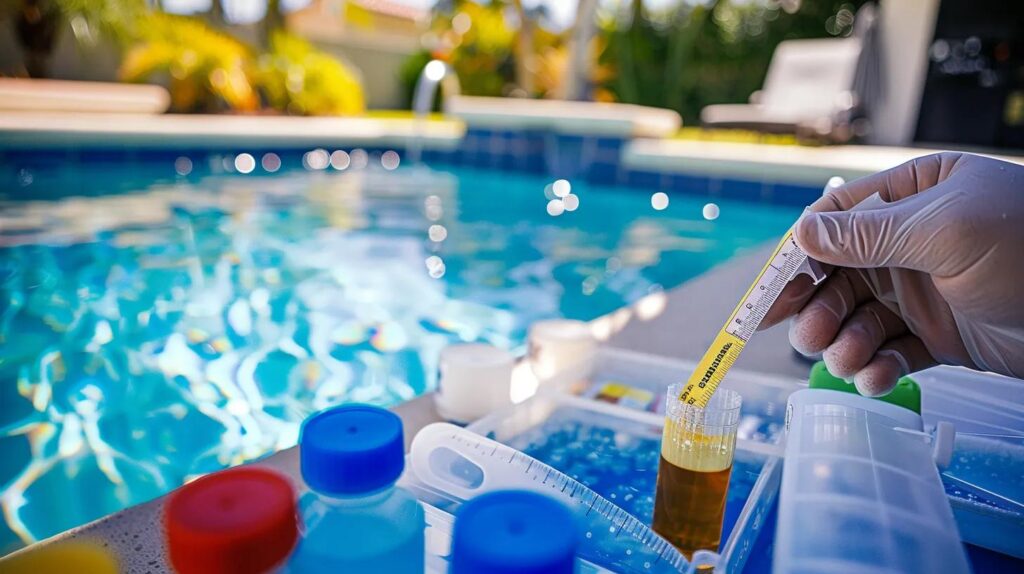
Proper water chemistry management is vital for maintaining a clean and safe swimming environment. Homeowners must understand the importance of balancing chemicals to prevent issues such as algae growth and water clarity problems.
What Are the Best Chemical Treatments for Maintaining Pristine Pool Water?
To keep pool water pristine, homeowners should utilize effective chemical treatments. Key treatments include:
- Chlorine: Essential for sanitizing pool water and preventing harmful bacteria.
- pH Balancers: Help maintain the ideal pH level (7.2-7.8) for optimal comfort and equipment longevity.
- Algaecides: Used to prevent and treat algae growth, ensuring clear water.
Understanding the critical role of these chemicals, particularly chlorine, is further emphasized by research highlighting their importance for public health and water safety.
Essential Pool Chemicals for Water Quality & Safety
Pool chemicals are among the most common household substances and are used to protect health in recreational waters. Pool chemicals containing chlorine safeguard against recreational-water illnesses caused by disease-causing pathogens, such as the diarrhea-causingCryptosporidium. They also enhance disinfection by regulating water pH.
Pool Chemicals and Personal Safety: PI253/PI253, 9/2014, 2014
Regular testing and adjustments are crucial to maintaining the right chemical balance, especially during the hot summer months.
How Can Water Chemistry Prevent Algae and Preserve Pool Integrity?
Maintaining proper water chemistry is essential for preventing algae growth and preserving the integrity of the pool. Homeowners should look for signs of algae, such as cloudy water or greenish hues, and take immediate action.
- Regular Testing: Conduct weekly tests to monitor chlorine levels, pH, and alkalinity.
- Chemical Solutions: Use algaecides and clarifiers as needed to combat algae and improve water clarity.
- Preventive Measures: Regularly clean pool surfaces and ensure proper filtration to maintain water quality.
When comparing upkeep across different pool types, it’s worth noting that turnkey fiberglass pool installation options often provide enhanced surface durability and reduced maintenance demands, offering a streamlined experience for discerning homeowners.
What Are the Best Practices for Custom Pool Equipment Care and Troubleshooting?
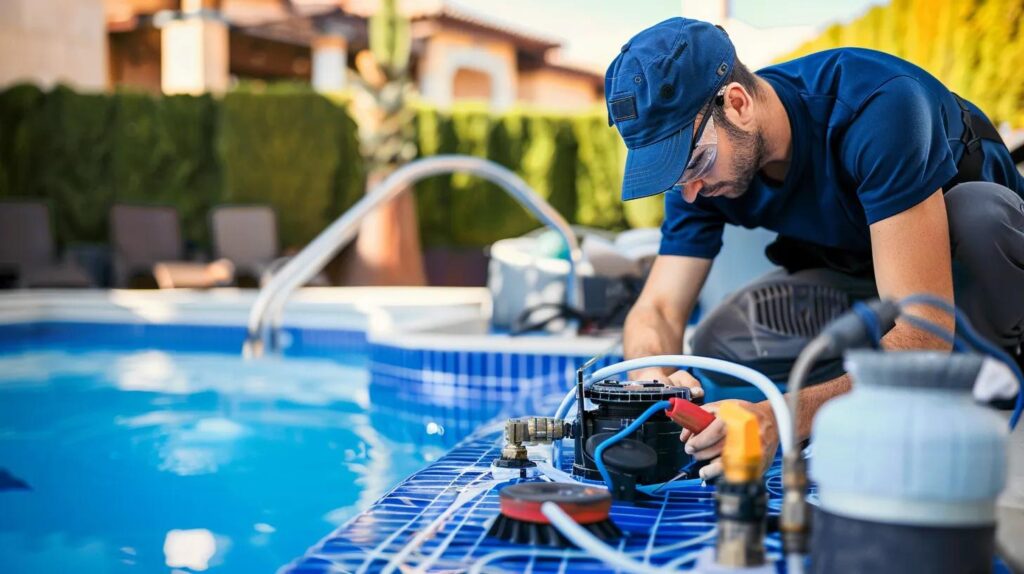
Proper care and maintenance of pool equipment are essential for ensuring longevity and optimal performance. Homeowners should familiarize themselves with routine maintenance tasks and troubleshooting tips.
How Should Pumps, Filters, and Heaters Be Maintained for Longevity?
To extend the lifespan of pool equipment, homeowners should follow these maintenance practices:
- Pumps: Regularly clean the pump basket and check for clogs. Schedule professional servicing annually.
- Filters: Backwash or clean filters according to the manufacturer’s recommendations to ensure efficient operation.
- Heaters: Inspect heaters for any signs of wear and ensure they are functioning correctly before the swimming season begins.
When and How Should Equipment Repairs Be Scheduled?
Identifying when to schedule repairs is crucial for maintaining pool equipment. Homeowners should:
- Identify Repair Needs: Look for signs of malfunction, such as unusual noises or decreased performance.
- Emergency vs. Routine Repairs: Address urgent issues immediately, while routine maintenance can be scheduled during off-peak times.
- Finding Qualified Technicians: Seek out experienced professionals for repairs to ensure quality service and proper handling of equipment.
How Does Localized Maintenance in Hernando County Enhance Luxury Pool Care?
Localized maintenance strategies can significantly enhance the care of luxury pools in Hernando County. Understanding the unique environmental factors at play allows for more effective maintenance practices.
What Unique Environmental Factors Affect Pool Maintenance in Hernando County?
Hernando County’s specific environmental factors, such as local flora and fauna, can impact pool maintenance.
- Humidity and Temperature Effects: High humidity levels can lead to increased evaporation and chemical imbalances.
- Local Flora and Fauna Impacts: Nearby vegetation can introduce debris and organic matter into the pool, necessitating more frequent cleaning.
- Seasonal Weather Patterns: Understanding local weather patterns helps homeowners prepare for potential maintenance challenges.
How Can Customized Service Plans Address Hernando County Homeowners’ Needs?
Customized service plans can effectively address the unique needs of Hernando County homeowners.
- Frequency of Service Visits: Tailored plans can include more frequent visits during peak seasons to ensure optimal pool conditions.
- Specific Tasks Included: Plans can be customized to include specific tasks such as algae prevention treatments or equipment inspections.
- Cost Considerations: Homeowners can choose plans that fit their budget while ensuring comprehensive care for their pools.
What Are the Cost and Scheduling Considerations for Luxury Pool Maintenance in Florida?
Understanding the costs and scheduling considerations for luxury pool maintenance is essential for homeowners looking to preserve their investment.
How Often Should Luxury Pools Be Serviced to Preserve Excellence?
Luxury pools should ideally be serviced on a regular basis to maintain their condition.
- Recommended Service Intervals: Monthly service is recommended for regular maintenance, while more frequent visits may be necessary during peak usage times.
- Factors Affecting Frequency: Pool usage, local climate, and surrounding environment can all influence how often maintenance is needed.
- Cost Implications: Regular maintenance can prevent costly repairs down the line, making it a worthwhile investment.
What Are the Investment Aspects of Bespoke Pool Maintenance Plans?
Investing in bespoke pool maintenance plans can provide significant long-term benefits.
- Long-Term Savings: Regular maintenance can help avoid expensive repairs and extend the life of the pool and its equipment.
- Quality of Service: Customized plans often include higher quality service and attention to detail, ensuring the best care for luxury pools.
- Customization Benefits: Tailored plans allow homeowners to choose services that best fit their specific needs and preferences.
Why Choose Beyond Backyard Living for Luxury Custom Pool Maintenance in Florida?
Choosing the right service provider is crucial for maintaining a luxury pool. Beyond Backyard Living stands out for its expertise and commitment to quality.
How Does Artisanal Craftsmanship Elevate Our Maintenance Services?
Beyond Backyard Living emphasizes artisanal craftsmanship in its maintenance services.
- Quality Materials Used: The company uses only the highest quality materials to ensure durability and performance.
- Attention to Detail: Each maintenance task is performed with meticulous attention to detail, ensuring that every aspect of the pool is cared for.
- Impact on Overall Service Quality: This commitment to craftsmanship results in superior service quality and customer satisfaction.
What Client Testimonials Reflect Our Commitment to Excellence?
Client testimonials highlight Beyond Backyard Living’s dedication to excellence in pool maintenance.
- Positive Feedback from Clients: Many clients express satisfaction with the level of service and expertise provided.
- Examples of Successful Projects: Testimonials often mention specific projects where the company exceeded expectations.
- Impact on Customer Trust: The positive experiences shared by clients contribute to a strong reputation and trust in the company’s services.